Reverse Wrist Roller
Turning the roller with your palms up flips the emphasis from the standard version, loading the wrist-flexing muscles and finger flexors as you wind the weight up. It is a punishing way to build grip endurance and forearm size in one continuous set. Pair it with the standard roller so you hammer both faces of the forearm for balanced development.
- Equipment
- Plate, Wrist Roller
- Body part
- Forearms
- Type
- Strength
- Browse by muscle
- Extensors
- Browse by movement
- Wrist Extension, Wrist Flexion


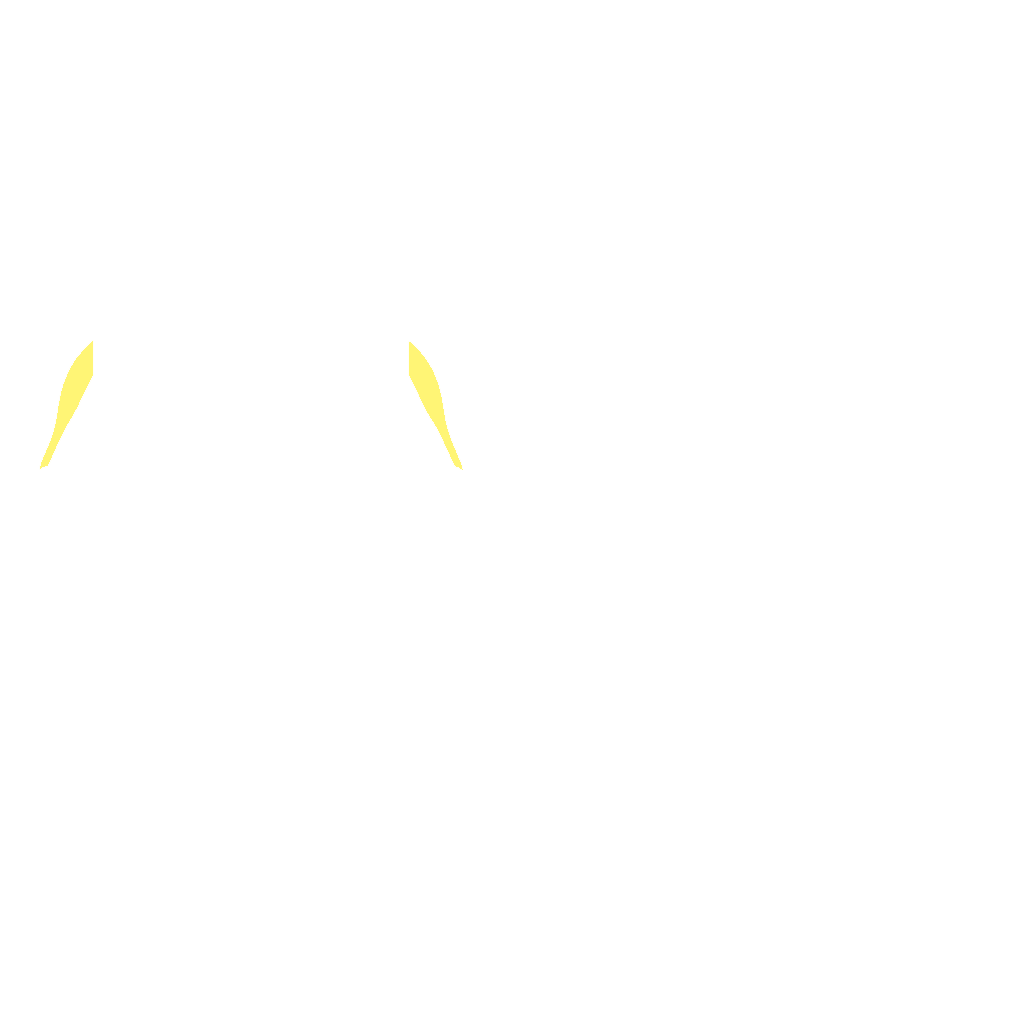


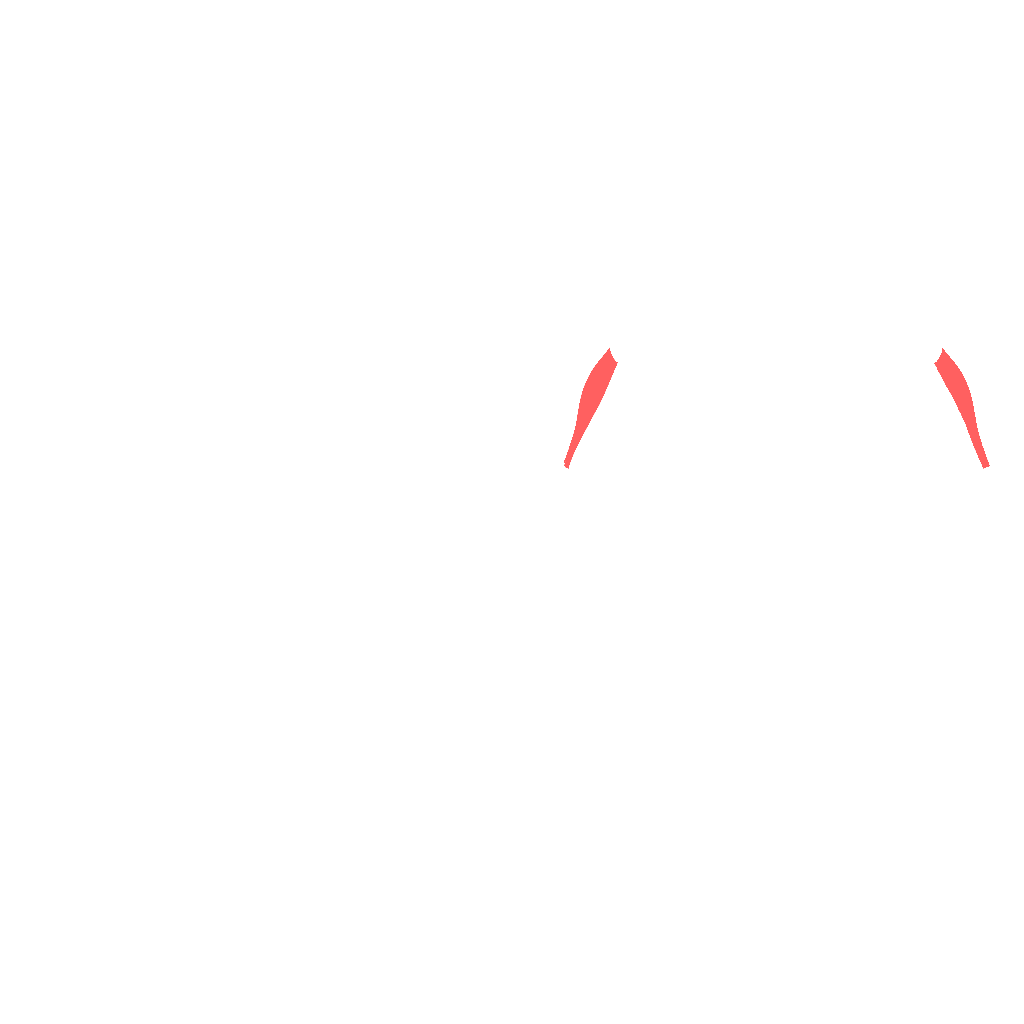
- Target
- Extensors
- Secondary
- Brachioradialis
- Tertiary
- Extensor Carpi Ulnaris
How to do it
- 1
Load a light plate on the rope of a wrist roller.
- 2
Hold the bar with an underhand grip, palms facing up, and extend your arms in front of you.
- 3
Wind the rope by rolling the bar toward you, curling the palms up hand over hand.
- 4
Keep lifting until the plate reaches the top of the rope.
- 5
Reverse the motion and let the plate unwind slowly under control.
- 6
Perform one to three full up-and-down cycles per set.
Tips
- Begin lighter than the standard roller. The underhand wind exposes any grip weakness fast.
- Hold your elbows level so the forearms do the work, not the shoulders.
- Control the unwind rather than letting the plate drop and jerk your wrists.
- Brace your arms on a rack pin if holding them out front tires before the forearms do.
Variations
Common mistakes
- The wrists cock backward instead of curling straight up as the rope winds, straining the joint instead of loading the forearm flexors.
- Matching the same plate weight used on the standard roller overloads the underhand wind, which is weaker for most lifters.
- Letting the plate drop and jerk at the bottom of the unwind is a fast way to strain a wrist that's already working through an unfamiliar angle.
- The elbows sag lower as the forearms fatigue, shortening the lever and letting the shoulders creep into work meant for the forearms.
Frequently asked
- How many sets of the reverse wrist roller should you do when you are new to the exercise?
- One to 3 full cycles with less weight than you'd use on the standard wrist roller is the right starting point, since the underhand wind is weaker for most people. Add weight only once a full cycle feels controlled with level elbows throughout.
- What can replace the reverse wrist roller if I don't have one?
- A rope and light plate wound underhand by hand gives the same effect, or try reverse curls and wrist curls for the same flexor and grip emphasis without specialized equipment.
- What is the reverse wrist roller good for?
- Pair it with the standard wrist roller to train both sides of the forearm evenly, useful for grip endurance and forearm size for climbers, grapplers, or lifters. It's not a great place to start if you have wrist pain, since the underhand curling motion loads the wrist through a less familiar range.
Related exercises
Other movements among FitRay's 2,000+ exercises that load the same target muscle — same equipment and level first.
- IntermediateWrist RollerPlate · Wrist Roller · Forearms
- BeginnerPlate Reverse Wrist CurlPlate · Forearms
- IntermediateBehind-the-Back Barbell Wrist CurlBarbell · Forearms
- BeginnerSeated Barbell Reverse Wrist CurlBarbell · Bench · Forearms
- BeginnerSeated Barbell Wrist CurlBarbell · Bench · Forearms
- BeginnerBand Wrist CurlBand · Forearms