Seated Dumbbell Curl
Sitting on a bench removes the hip and torso drive that trainees lean on when they fatigue, so every rep is honest biceps work. It is a great choice when you want to build the mind-muscle connection or clean up sloppy standing curls. Slot it in as a primary biceps builder or as a strict finisher after heavier pulling.
- Body part
- Biceps
- Type
- Strength
- Browse by muscle
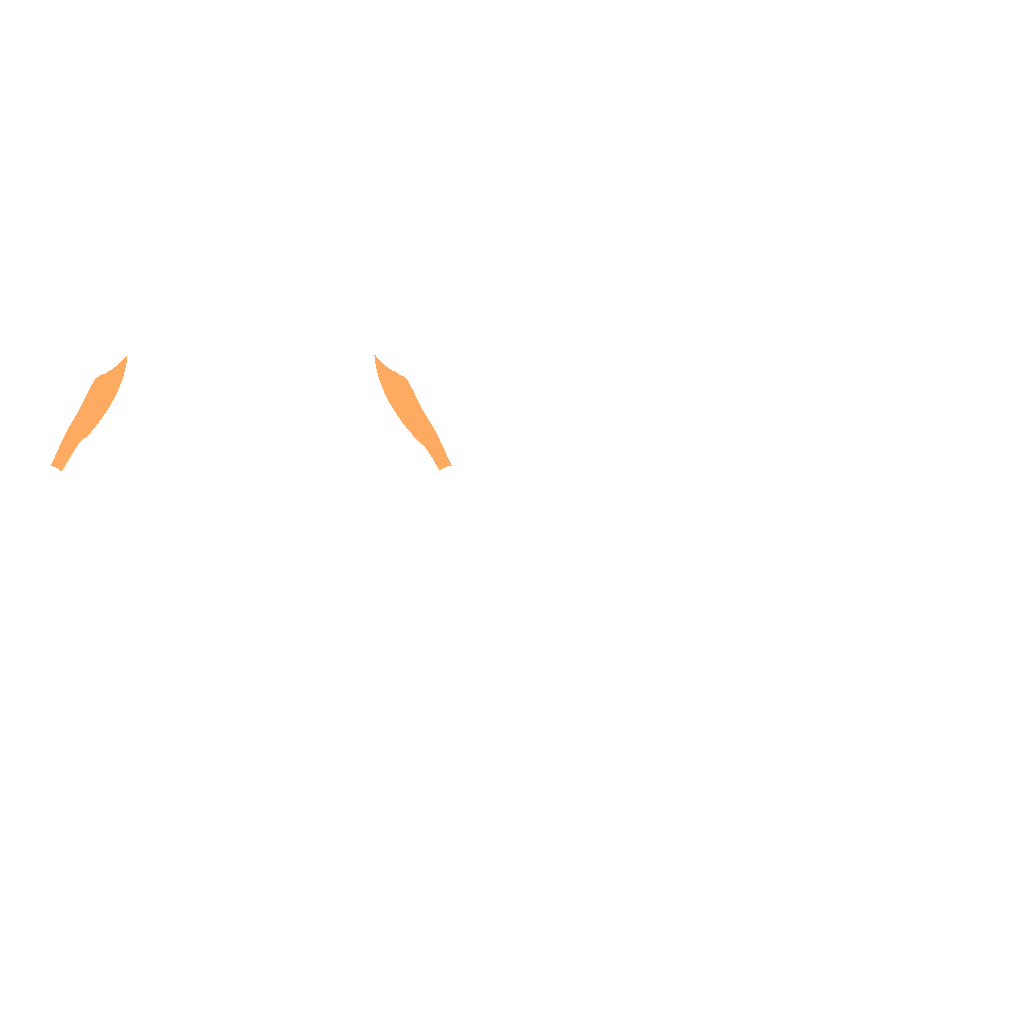
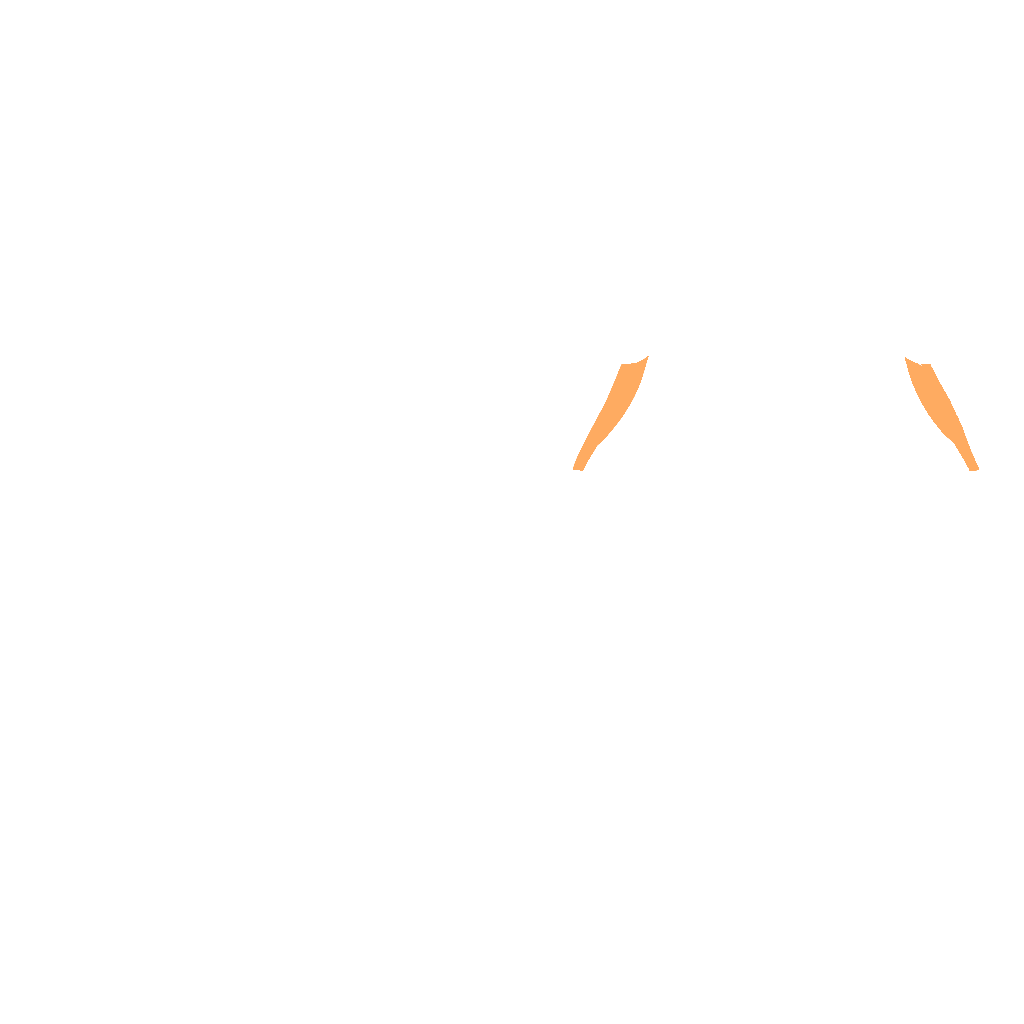
- Biceps Brachii Long Head, Biceps Brachii Short Head
- Browse by movement
- Elbow Flexion





- Target
- Biceps Brachii Long Head, Biceps Brachii Short Head
- Secondary
- Brachioradialis
- Tertiary
- Deltoid Anterior
How to do it
- 1
Sit tall on an upright bench with a dumbbell in each hand, arms hanging at your sides, palms facing in.
- 2
Brace your back against the pad and pin your elbows close to your torso.
- 3
Curl both dumbbells up while rotating your palms to face the ceiling as you rise.
- 4
Squeeze the biceps hard at the top without letting your elbows drift forward.
- 5
Lower under control until your arms are fully straight, then repeat.
- 6
Exhale as you curl, inhale as you lower.
Tips
- Keep your upper arms vertical and still; only your forearms should move.
- Do not swing your shoulders or arch off the pad to heave the weight up.
- Finish each rep with a full stretch at the bottom to load the whole muscle.
Variations
Common mistakes
- Using a flat bench with no backrest, which puts the torso swing straight back into the movement. The upright pad is what makes this version strict, so it is not an optional detail.
- Sitting so far back that your elbows jam into the pad at the bottom and the arms cannot hang straight. Slide forward an inch so the arms clear the backrest.
- Banging the dumbbell heads into your thighs at the bottom on a low bench, which cuts the last part of the range. Sit closer to the edge or angle the bells slightly outward.
- Driving through your feet to push your back up the pad on the final reps, which is exactly the cheat the seated position was meant to remove. If you need it, the set is over.
Frequently asked
- How many sets and reps of the seated dumbbell curl should a beginner do?
- Expect a smaller pair than you curl standing, often one step down on the rack, because the bench takes away the small hip drive you were using without noticing. That is the point of the exercise, not a setback. Three sets of 10 to 12 is the target. Add a rep per set each week, and move up once all three sets reach 12 with your back flat on the pad and your feet quiet.
- What can I use instead of dumbbells for a seated curl?
- Sit on a sturdy chair, run a band under both feet and curl the ends. The chair back stops you swinging much as the bench does, so it is a close copy. A backpack loaded with books, held by both straps, works the same way. Two full water jugs by the handles are the low-tech option, though your palms stay neutral so you lose the rotation at the top.
- Should I curl seated or standing?
- Seated when your standing reps have gone loose, when you want to feel the biceps rather than move the most weight, or when you are training arms after heavy leg work and would rather not stand around. The pad makes cheating close to impossible. Standing when you want the heaviest load, or a few last reps with a small controlled swing once strict reps are gone. Seated is the poorer choice if a bigger number is the goal, and it adds nothing for the stretch; recline the bench instead of sitting upright for that.
Related exercises
Other movements among FitRay's 2,000+ exercises that load the same target muscle — same equipment and level first.
- BeginnerHammer CurlDumbbell · Biceps · Forearms
- BeginnerAlternating Dumbbell CurlDumbbell · Biceps
- BeginnerCable Concentration CurlBench · Cables · Biceps
- BeginnerCable Preacher CurlBench · Cables · Biceps
- BeginnerConcentration CurlBench · Dumbbell · Biceps
- BeginnerCross-Body Hammer CurlDumbbell · Biceps · Forearms