Seated Dumbbell Wrist Curl
Training one side at a time fixes the strength imbalance most people carry between their dominant and weaker forearm. The dumbbell also lets the wrist travel a touch further than a fixed bar. Slot it in as a finisher for the lower arm.
- Equipment
- Dumbbell
- Body part
- Forearms
- Type
- Strength
- Browse by muscle
- Extensors
- Browse by movement
- Wrist Flexion


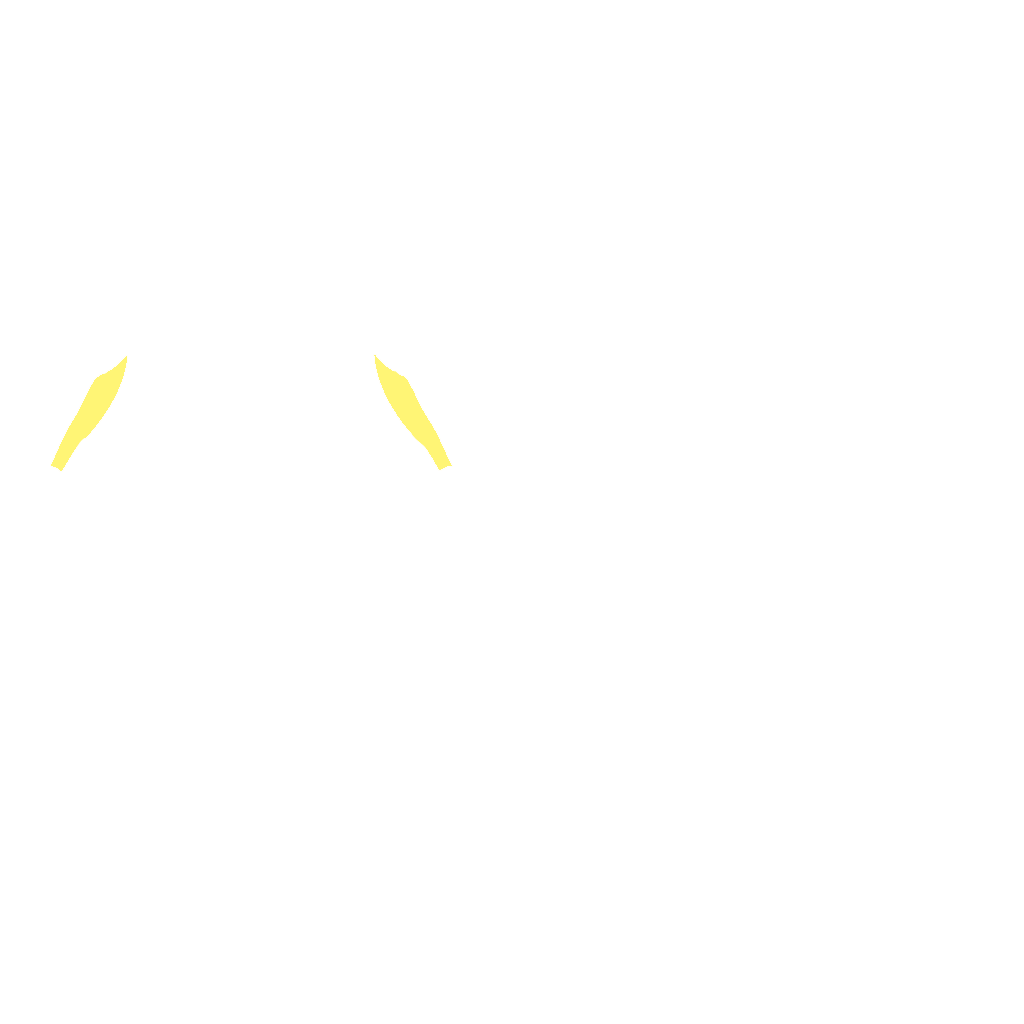
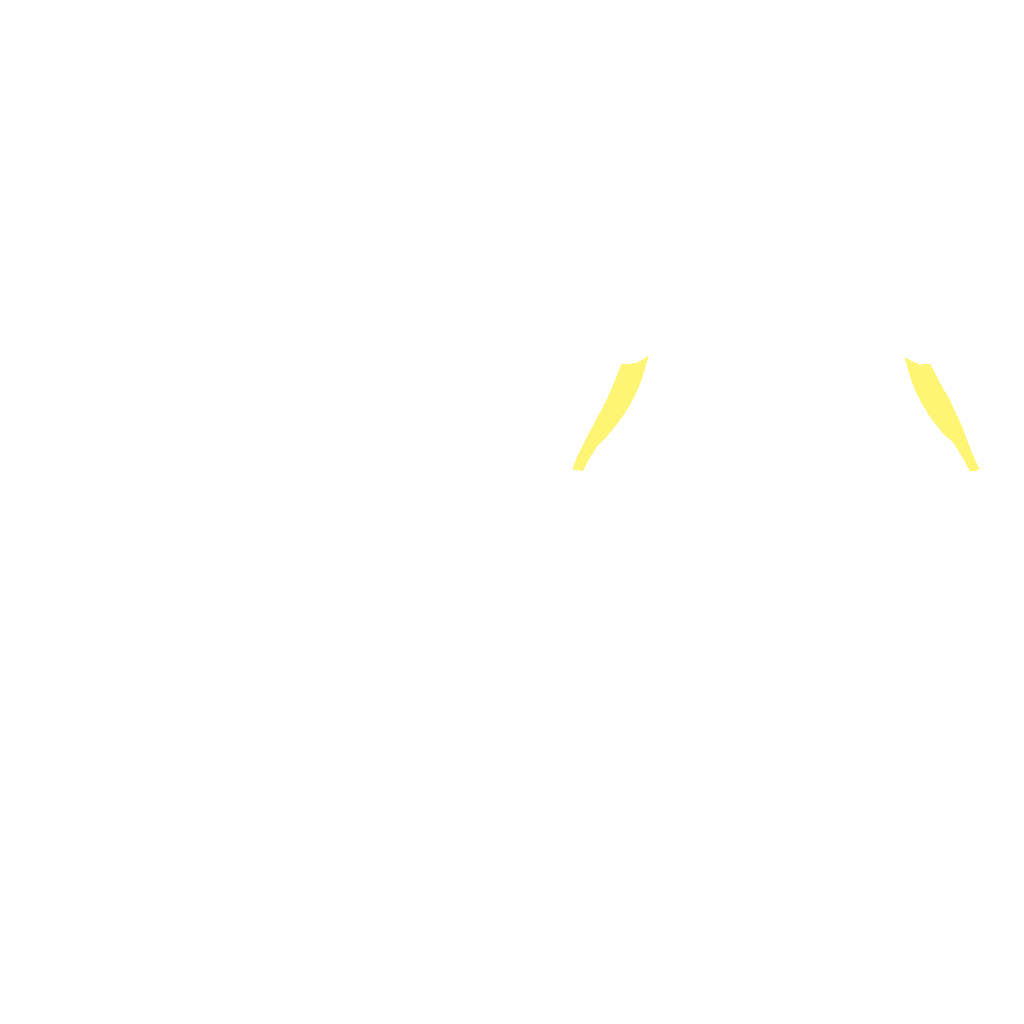
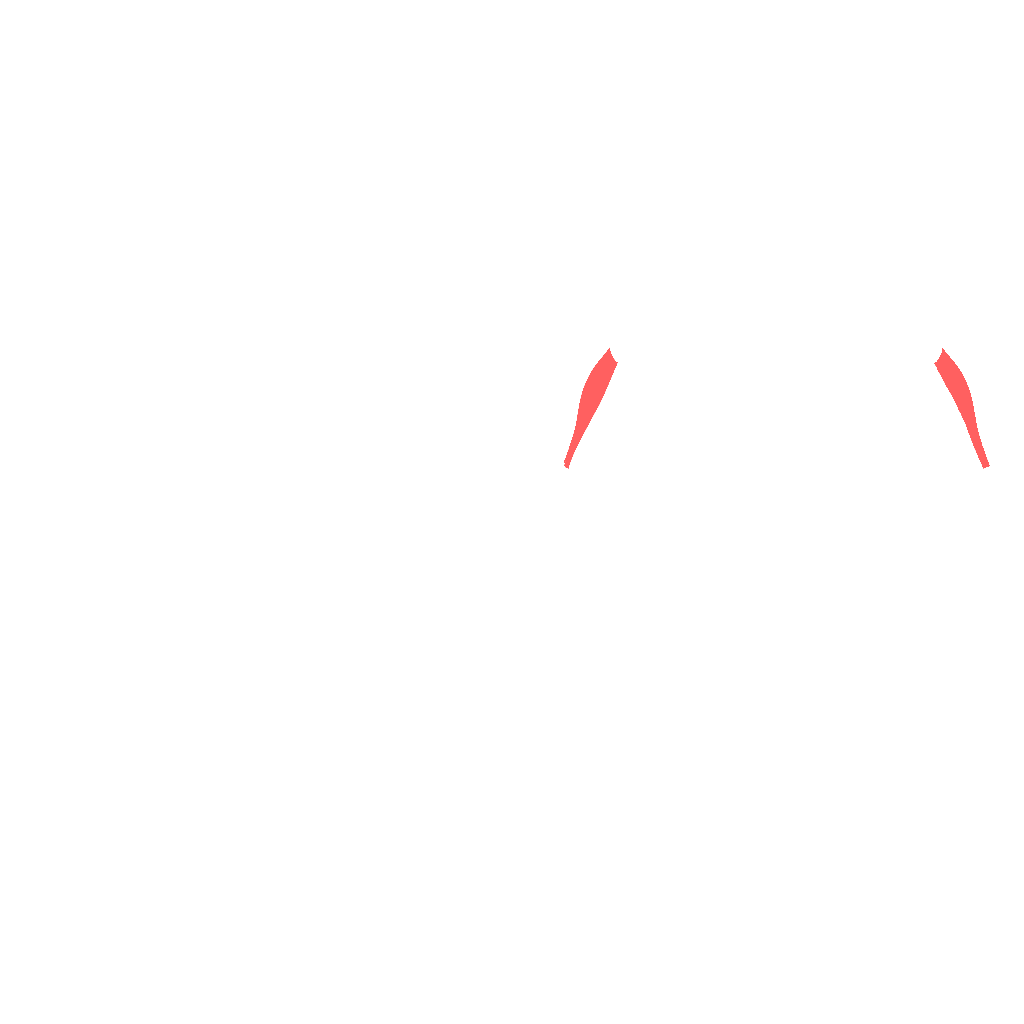
- Target
- Extensors
- Tertiary
- Brachioradialis
How to do it
- 1
Sit and rest one forearm along your thigh with the palm facing up and the wrist past your knee.
- 2
Hold a dumbbell and let it roll down toward your fingertips.
- 3
Lower your knuckles until you feel a stretch on the underside of the forearm.
- 4
Curl the dumbbell up by flexing the wrist and squeeze at the top.
- 5
Complete all reps on one side, then switch arms.
- 6
Support the working forearm with your free hand if you need extra stability.
Tips
- Match the rep count on both arms even if the weaker side sets the limit.
- Keep the elbow and forearm still so the movement stays isolated to the wrist.
- Open your fingers slightly at the bottom, then re-grip as you curl up for a bigger range.
- Control the lowering phase rather than dropping the weight.
Variations
Common mistakes
- Using the free hand to shove the dumbbell through the last few reps. That hand is there to steady the forearm, and the moment it lifts the weight the set is finished.
- Letting the dumbbell tilt so one end dips toward the floor. The wrist then bends sideways rather than curling, and the strain lands on the side of the joint.
- Going straight from the first arm into the second with no rest. The second side works fatigued, which is backwards on a movement you picked to even the two arms out.
- Laying the forearm diagonally across the thigh instead of straight down it, so the wrist drifts to the inside of the knee and the dumbbell travels on a curve.
Frequently asked
- How should a beginner program the seated dumbbell wrist curl?
- Two or three sets per arm of 12 to 15 reps, starting with the weaker side so it sets the standard. Rest 45 to 60 seconds between arms rather than switching straight over. Add a rep to both arms until you reach 15 on every set, then take the next dumbbell up. Once a week is enough alongside other forearm work, twice a week if closing the gap between your two arms is the point.
- What can I use instead of a dumbbell for the seated dumbbell wrist curl?
- A handled water jug or a backpack with a couple of books in it works the same way at home, and both let the load roll into the fingers. A cable handle on the lowest pulley keeps tension on at the top, where a dumbbell goes light. A band under the foot is the travel option. If you have a barbell and no side-to-side difference to fix, the two-handed version does the job in half the time.
- Who should be doing the seated dumbbell wrist curl?
- It suits anyone whose forearms are visibly uneven, anyone bringing one side back up to full grip work, and lifters who want a little more wrist travel than a fixed bar allows. The single-arm setup makes a difference between sides obvious, which a barbell hides. It is the wrong pick when time is short, since you pay twice for the same set, and it is not the place to chase heavy loads: the joint is small and the useful range is a few inches.
Related exercises
Other movements among FitRay's 2,000+ exercises that load the same target muscle — same equipment and level first.
- BeginnerSeated Barbell Wrist CurlBarbell · Bench · Forearms
- BeginnerBand Wrist CurlBand · Forearms
- BeginnerBarbell Finger CurlBarbell · Bench · Forearms
- BeginnerCable Wrist CurlBench · Cables · Forearms
- IntermediateBehind-the-Back Barbell Wrist CurlBarbell · Forearms
- IntermediateReverse Wrist RollerPlate · Wrist Roller · Forearms