Dumbbell Reverse Wrist Curl
This is the direct antidote to a training diet of curls and rows, which hammer the wrist flexors and leave the extensors weak. Balancing the two sides of the forearm supports elbow health and a stronger grip. Program it late in an arm or pull session with light weight and strict tempo.
- Body part
- Forearms
- Type
- Strength
- Browse by muscle
- Extensors
- Browse by movement
- Wrist Extension




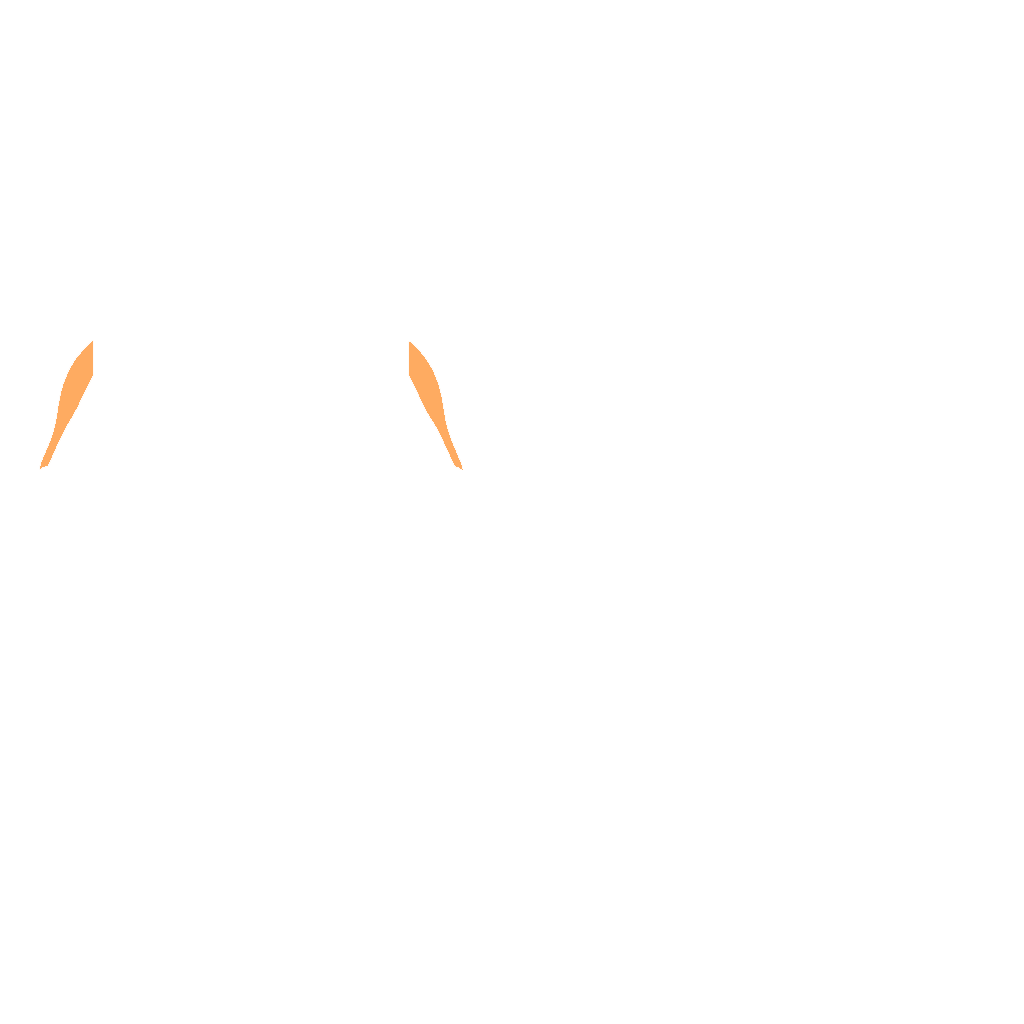
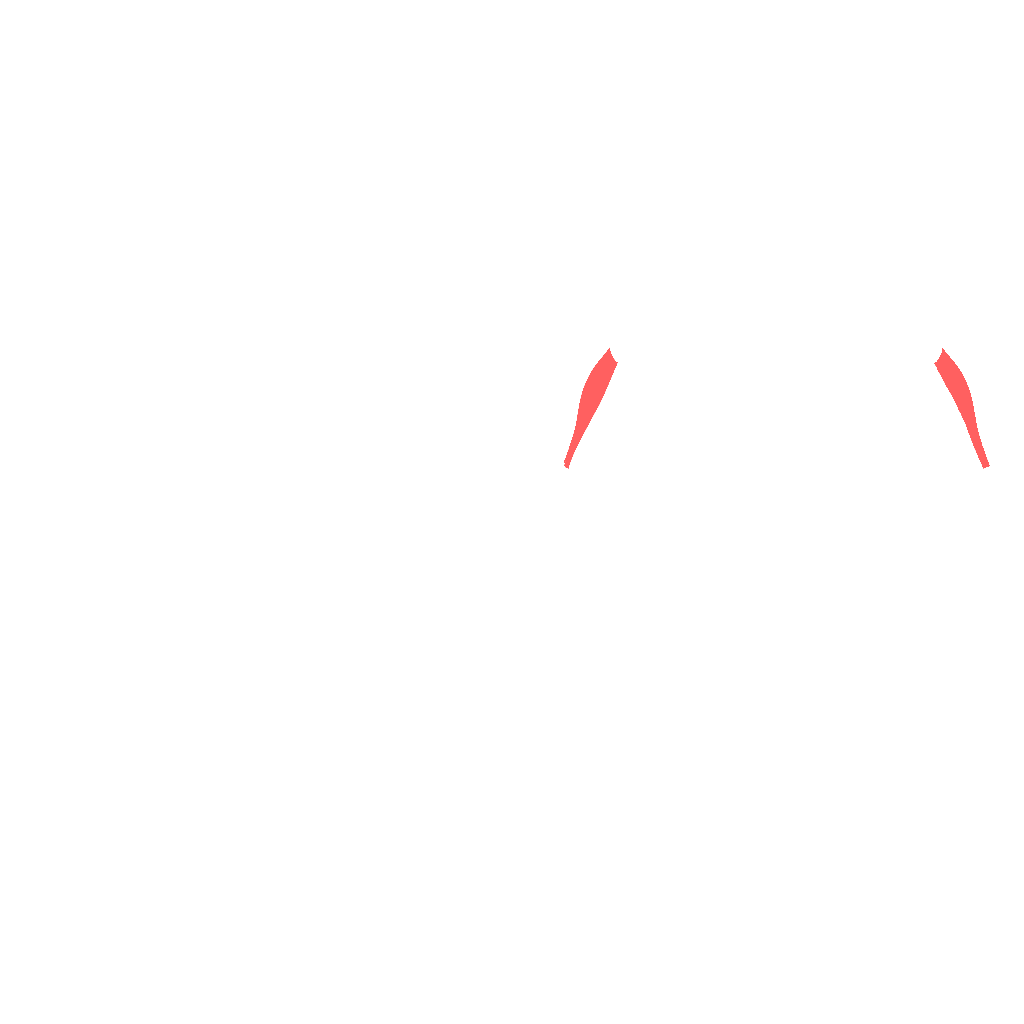
- Target
- Extensors
- Secondary
- Extensor Carpi Ulnaris
- Tertiary
- Brachioradialis
How to do it
- 1
Sit on a bench and rest both forearms along your thighs, wrists just past the knees, palms facing the floor.
- 2
Hold a light dumbbell in each hand with a firm overhand grip.
- 3
Let the wrists bend down so the backs of the hands drop below the forearms, keeping the grip firm.
- 4
Extend the wrists to raise the backs of the hands as high as possible without lifting the forearms.
- 5
Squeeze the top for a beat, then lower slowly.
- 6
Keep the forearms pinned to the thighs throughout.
Tips
- Go lighter than you expect; the extensors fatigue fast and momentum ruins the movement.
- Move only at the wrist, not the elbow or shoulder.
- Pause and squeeze at the top rather than bouncing at the bottom.
Variations
Common mistakes
- Sitting with the knees close together so the inside heads of the dumbbells knock into each other at the top. Set the thighs a little wider and the rep can actually finish.
- Letting the two wrists drift out of sync. With no bar linking your hands, one side quietly does less, so watch both knuckle lines and end the set when they stop matching.
- Letting the chest fall toward the knees as you look down at your hands. A collapsed torso pushes the elbows forward and changes the angle the wrist has to work through.
- Using a bench so low that the knees sit above the hips. The forearms then slope uphill, the dumbbells roll back toward the elbows, and the bottom stretch disappears.
Frequently asked
- How do I fit the dumbbell reverse wrist curl into a workout?
- The simplest way to run it is as a superset: 15 palms-up wrist curls, then 15 to 20 of these palms down with roughly half the weight, for three rounds. Start at 5 to 10 pounds per hand. When the last set still finishes strong, add a rep before you add a dumbbell, since the next pair up is often a 20 to 30 percent jump for a muscle this size. Put the whole thing at the end of an arm or pull day.
- What can I use instead of dumbbells for the dumbbell reverse wrist curl?
- A light barbell or EZ bar over both thighs trains both wrists at once and lets you add small plates, which dumbbells rarely allow. A plate held by the rim, palm down, works one hand at a time with no rack at all. A band under the foot is the travel option. A hammer held near the end of the handle adds a rotation demand if you want the top of the forearm worked from another angle.
- What is the dumbbell reverse wrist curl good for?
- It builds the extensors on top of the forearm, the side that gets nothing from a week of curls, rows, and carries, and it evens out the pull on the elbow. Working with two separate weights also stops a stronger wrist from carrying a weaker one. It will not add noticeable size on its own, so treat it as balance work rather than a mass move. If gripping already hurts the outside of your elbow, get that looked at instead of loading through it.
Related exercises
Other movements among FitRay's 2,000+ exercises that load the same target muscle — same equipment and level first.
- BeginnerSeated Barbell Reverse Wrist CurlBarbell · Bench · Forearms
- BeginnerCable Reverse Wrist CurlBench · Cables · Forearms
- BeginnerSeated Dumbbell Wrist ExtensionDumbbell · Forearms
- BeginnerBand Wrist ExtensionBand · Forearms
- BeginnerPlate Reverse Wrist CurlPlate · Forearms
- IntermediateReverse Wrist RollerPlate · Wrist Roller · Forearms