Single-Leg Donkey Calf Raise
The bent-at-the-hip donkey position puts the gastrocnemius on a long stretch, and doing it single-leg concentrates your bodyweight over one calf. It is a favorite for building calf size because of that lengthened-position loading. Hold a sturdy surface to hinge over and keep the working knee straight to bias the gastrocnemius.
- Equipment
- Box
- Body part
- Calves
- Type
- Balance, Strength
- Browse by muscle
- Gastrocnemius Lateral Head, Gastrocnemius Medial Head
- Browse by movement
- Calf Raise


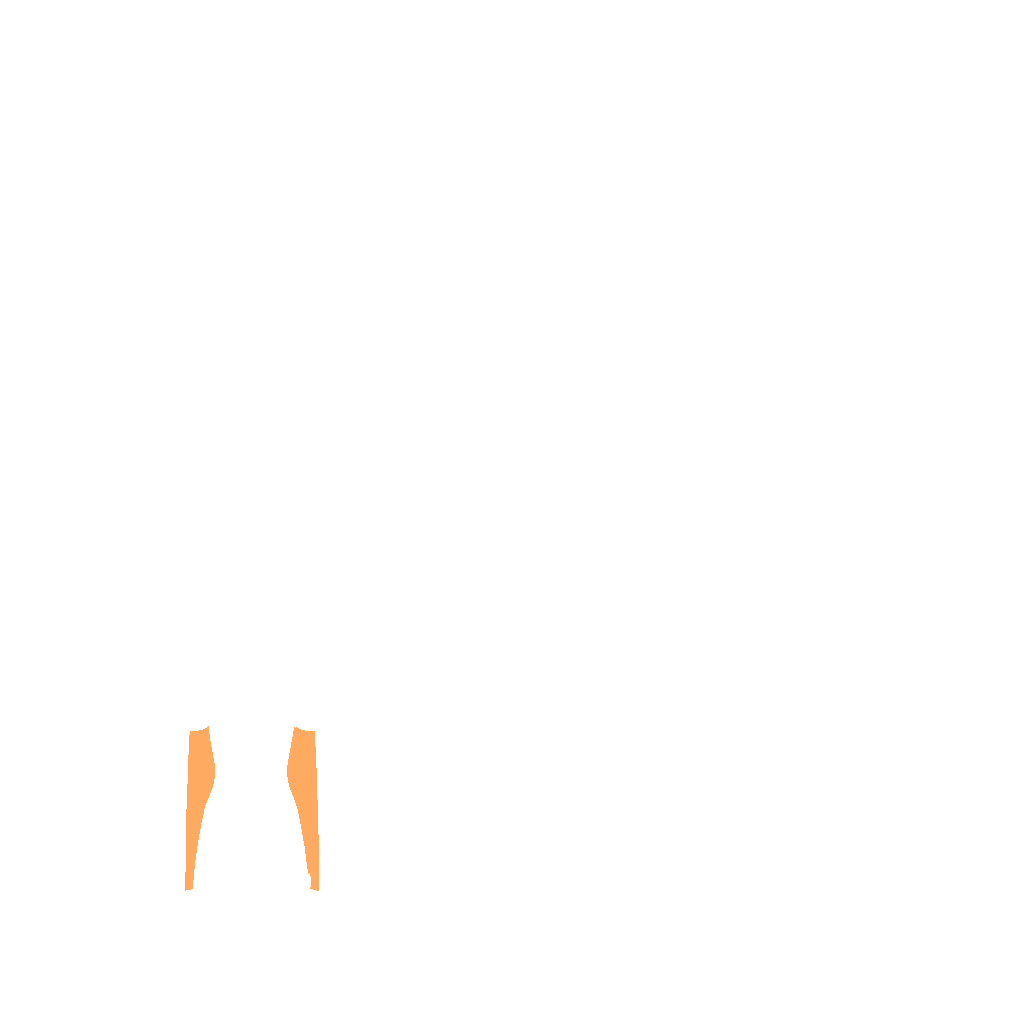


- Target
- Gastrocnemius Lateral Head, Gastrocnemius Medial Head
- Secondary
- Soleus Gastrocnemius
How to do it
- 1
Place the ball of one foot on a raised block and hinge forward at the hips to grab a bench or rail.
- 2
Let your torso come near parallel to the floor with your back flat.
- 3
Tuck the free leg up and keep the working knee straight.
- 4
Lower the heel below the block into a deep stretch.
- 5
Drive up onto the ball of the foot, squeezing the calf at the top.
- 6
Lower slowly and repeat, then switch legs.
Tips
- Keep the working knee locked out so the stretch stays on the gastrocnemius.
- Hinge from the hips and keep your spine neutral rather than rounding.
- Add a light dumbbell in the same-side hand once bodyweight feels easy.
Variations
Common mistakes
- The lower back rounds as the torso folds toward parallel, turning a hip hinge meant to stay flat into unwanted spinal flexion under bodyweight load.
- Bending the working knee to ease into the bottom stretch removes exactly the gastrocnemius tension the hip-hinge position is meant to create.
- Rushing through the hinge to get into position skips the moment where the flat back gets set, so the whole set starts from a rounded position.
- Once the free leg swings loosely instead of staying tucked, the hips can rotate open and the working ankle no longer tracks straight.
Frequently asked
- How many reps of the single-leg donkey calf raise should you do when you are new to the exercise?
- Start with 2 to 3 sets of 10 to 12 reps per leg, prioritizing a flat back and a full stretch over speed. Once that feels controlled, add a light dumbbell in the same-side hand before chasing more reps.
- How do you make the single-leg donkey calf raise easier or harder?
- To make it easier, do the standard bilateral donkey calf raise, or a bodyweight single-leg calf raise standing upright instead of hinged forward. To make it harder, hold a dumbbell in the same-side hand or pause for two seconds in the deepest part of the stretch.
- What is the single-leg donkey calf raise good for?
- The forward hip hinge deepens the calf stretch, and doing it one leg at a time adds both extra load and a balance challenge that a bilateral version does not have. It is a poor choice for beginners still learning to hinge with a flat back, since holding that position solo on one leg asks for more coordination than a supported bilateral donkey raise.
Related exercises
Other movements among FitRay's 2,000+ exercises that load the same target muscle — same equipment and level first.
- IntermediateDeficit Dumbbell Calf RaiseBox · Dumbbell · Calves
- IntermediateDonkey Calf RaiseBox · Machine · Calves
- IntermediateFarmer-Hold Calf RaiseBox · Dumbbell · Calves
- IntermediateStanding Barbell Calf RaiseBarbell · Box · Calves
- IntermediateStanding Single-Leg Smith Calf RaiseBox · Smith Machine · Calves
- IntermediateWeighted Donkey Calf RaiseBench · Box · Plate