Standing Single-Leg Smith Calf Raise
Working one leg at a time is the fastest way to expose and erase side-to-side calf differences, and the Smith bar's fixed path lets you push far more load than a single dumbbell ever could. With the knee kept straight, the gastrocnemius is the prime mover while the soleus assists. Stand on a block to bank a deep stretch, and treat this as a corrective or heavy-unilateral tool near the end of a lower-body day.
- Equipment
- Box, Smith Machine
- Body part
- Calves
- Type
- Strength
- Browse by muscle
- Gastrocnemius Lateral Head, Gastrocnemius Medial Head
- Browse by movement
- Calf Raise



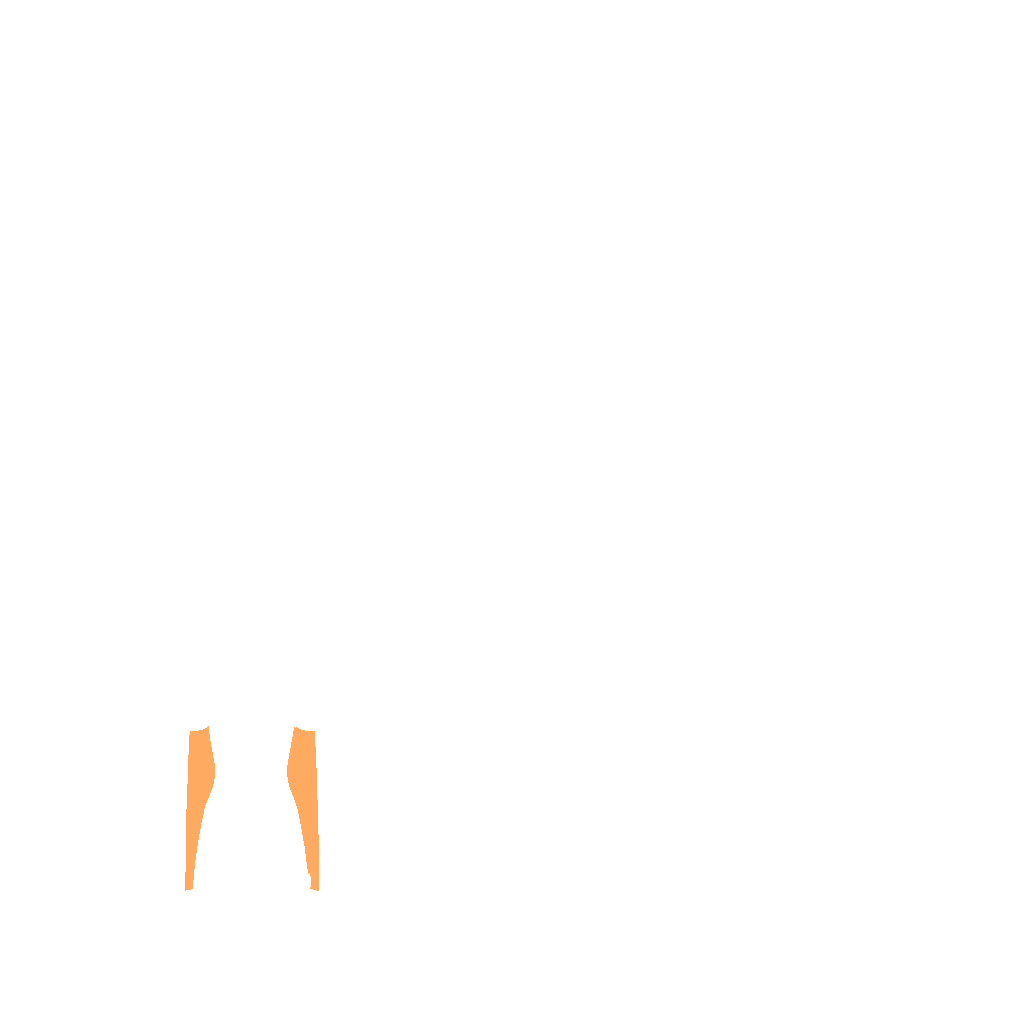


- Target
- Gastrocnemius Lateral Head, Gastrocnemius Medial Head
- Secondary
- Soleus Gastrocnemius
- Tertiary
- Gluteus Medius
How to do it
- 1
Set the Smith bar to shoulder height and place a low block or plate under the bar.
- 2
Duck under and rack the bar across your traps, then stand on the block with the ball of one foot and the heel hanging free.
- 3
Tuck the non-working foot behind your ankle and unrack the bar by rotating the hooks.
- 4
Keep the working knee straight and lower the heel until you feel a strong calf stretch.
- 5
Drive up onto the ball of the foot as high as possible and squeeze hard at the top.
- 6
Finish all reps on one side, then switch feet.
Tips
- Let the bar do the balancing so you can focus purely on ankle range.
- Keep the working knee straight throughout to keep tension on the gastrocnemius.
- Match reps and range side to side so you actually correct the imbalance instead of feeding it.
Variations
Common mistakes
- The idle foot presses against the ankle it is tucked behind for extra support, quietly taking load off the working calf.
- Loading heavier on this single-leg version just because the bar feels stable skips past the fact that one calf alone is now handling all of it.
- Cutting reps short on the tighter side once the stretch gets uncomfortable locks in whatever imbalance you came here to fix.
- Once the working leg starts to shake late in a set, the hip on that side kicks out to the side to find a shortcut around the ankle.
Frequently asked
- How many reps of the standing single-leg Smith calf raise should you do when you are new to the exercise?
- Do 2 to 3 sets of 10 to 12 reps per leg with a light bar load at first, since one calf is now carrying weight that used to be shared by two. Add load only once both sides match the same rep count and full range.
- What can you use instead of a Smith machine for a single-leg calf raise?
- A single-leg dumbbell calf raise on a step trains the same pattern without a fixed bar, though you will need a wall or rail for balance. A single-leg leg press calf raise is another option if the Smith machine is in use.
- What is the standing single-leg Smith calf raise good for?
- It combines heavy single-leg loading with a stable bar path, making it a good corrective tool once you already know you have a side-to-side calf imbalance. It is a poor starting point for someone brand new to single-leg calf work, since the bodyweight single-leg calf raise is a gentler way to learn the position first.
Related exercises
Other movements among FitRay's 2,000+ exercises that load the same target muscle — same equipment and level first.
- IntermediateDeficit Dumbbell Calf RaiseBox · Dumbbell · Calves
- IntermediateDonkey Calf RaiseBox · Machine · Calves
- IntermediateFarmer-Hold Calf RaiseBox · Dumbbell · Calves
- IntermediateSingle-Leg Donkey Calf RaiseBox · Calves
- IntermediateStanding Barbell Calf RaiseBarbell · Box · Calves
- IntermediateWeighted Donkey Calf RaiseBench · Box · Plate