Skandasana
Skandasana is a side-lunge that delivers a strong inner-thigh stretch alongside deep hip and quad loading. Shifting into one bent knee lengthens the opposite adductor while the working leg's glute and quad control the descent. It opens the groin and hips beautifully and is a favorite for building lateral lower-body mobility.
- Equipment
- Body Weight
- Type
- Stretching, Yoga
- Browse by muscle
- Adductor Longus, Adductor Magnus


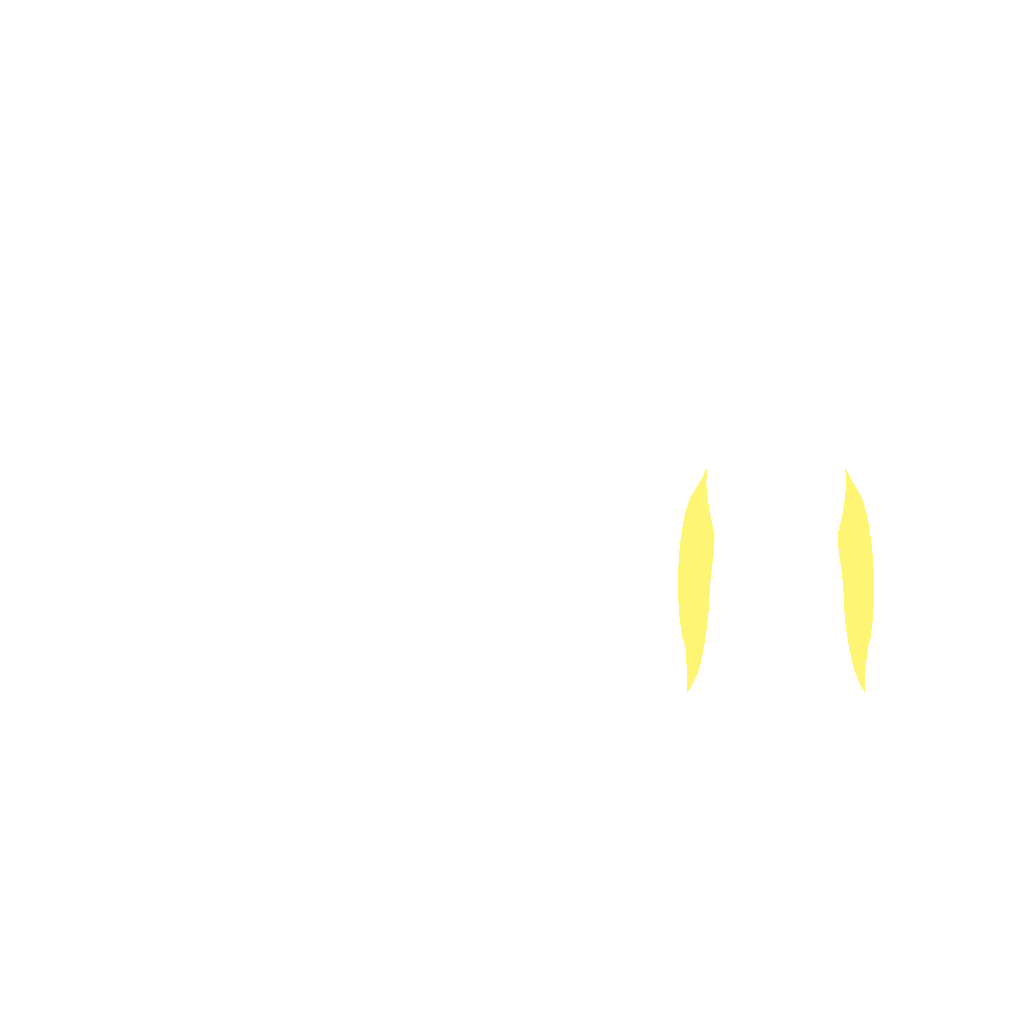
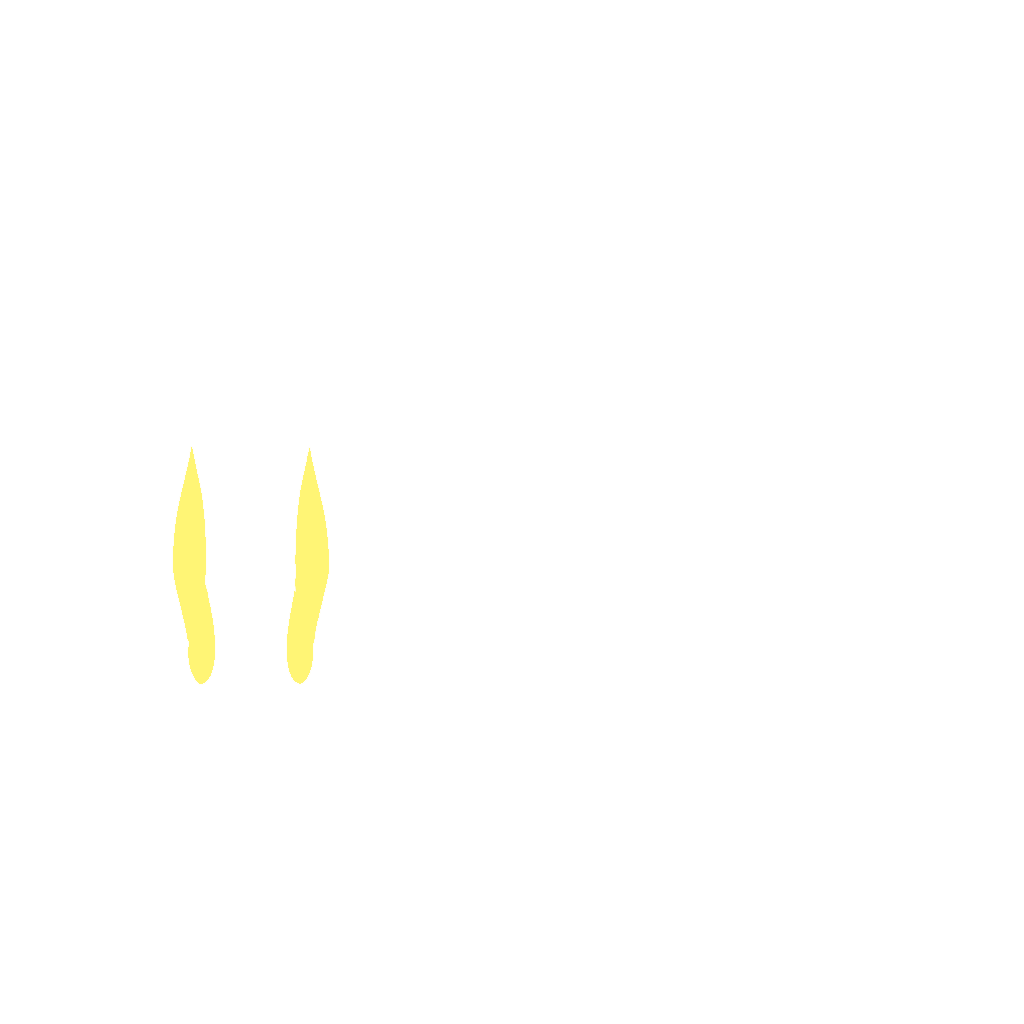


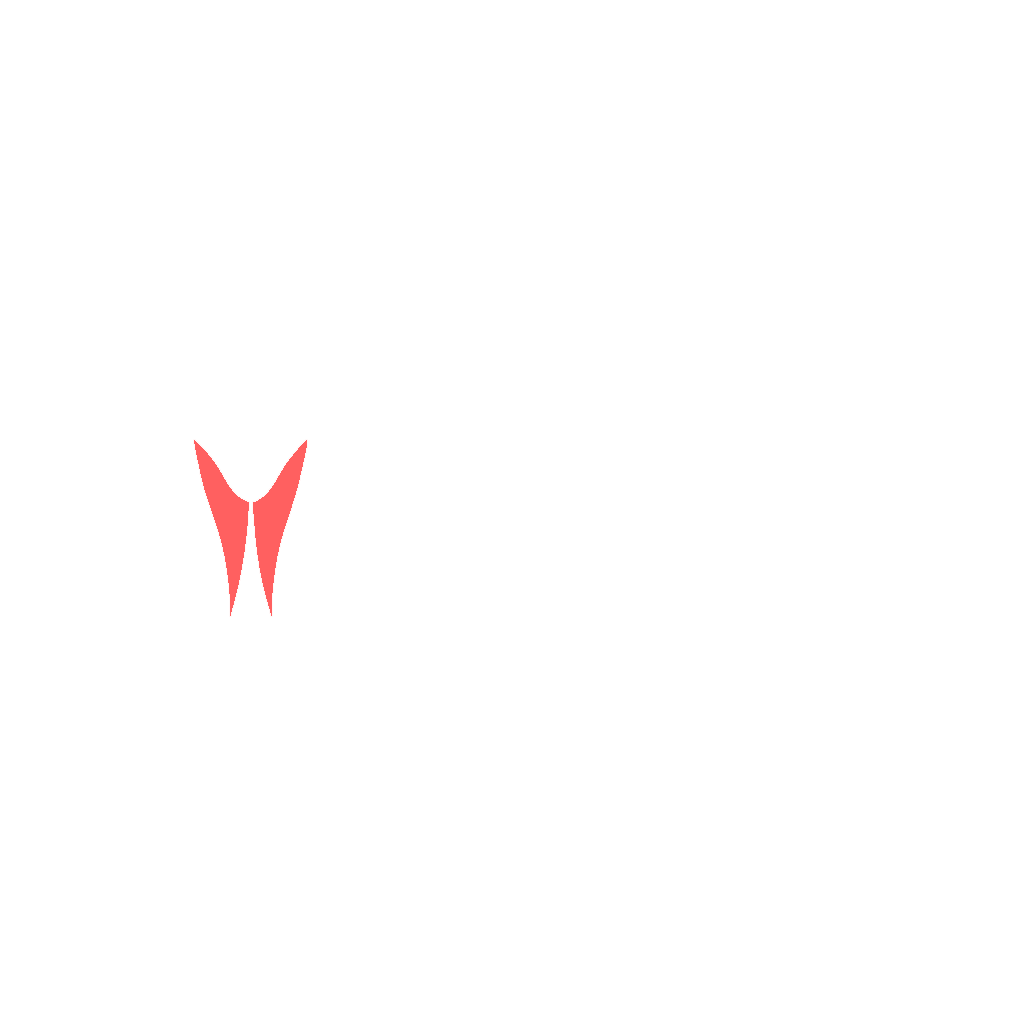
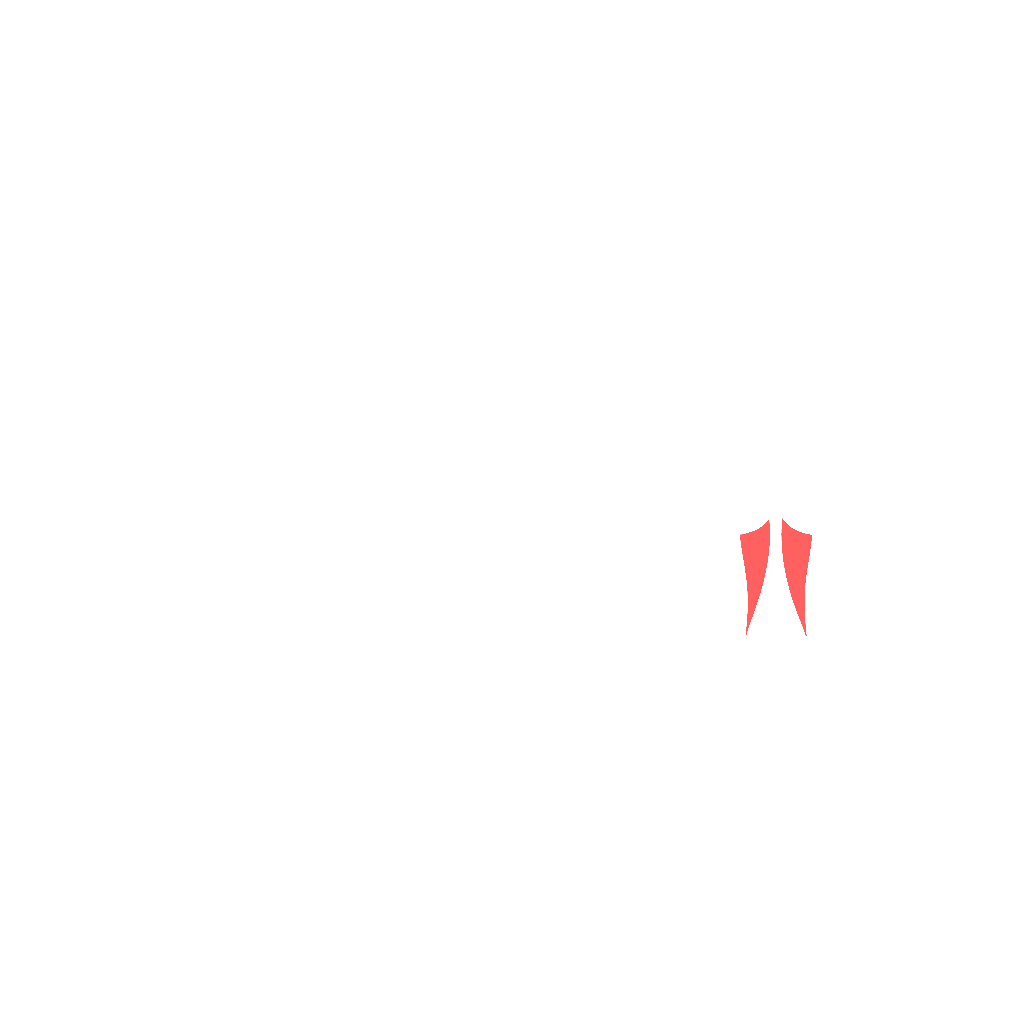
- Target
- Adductor Longus, Adductor Magnus
- Secondary
- Gluteus Maximus, Vastus Lateralis
- Tertiary
- Biceps Femoris, Rectus Femoris
How to do it
- 1
Stand with the feet wide apart and both feet turned slightly out.
- 2
Shift your weight to the right and bend the right knee deeply, sinking the hips toward the right heel.
- 3
Keep the left leg straight with the left foot flexed and the toes turned up.
- 4
Bring the hands to the heart or plant them on the floor for support.
- 5
Sit the hips low and lengthen the spine, feeling the stretch along the straight left inner thigh.
- 6
Press through the bent leg to shift back to center, then repeat on the other side.
Tips
- Keep the heel of the bent leg grounded and let the knee track over the toes.
- Flex the straight-leg foot and lift the toes to intensify the adductor stretch.
- Sit the hips back and down rather than pitching the chest forward toward the floor.
Variations
Common mistakes
- The straight leg rolls inward until the kneecap faces the floor, and from there the stretch slides off the inner thigh and toward the back of the knee; keep that kneecap pointing up.
- The hips sit back but the spine curls, so the tailbone tucks under and the fold comes from the low back rather than the hip.
- The hold drifts lower over several breaths until you are deeper than you can come out of, and the exit needs a hand on the floor anyway.
- The change to the other side is taken by standing up and stepping over, which skips the low shift across the floor where the inner thighs do the most work.
- A sharp pull arrives high on the inside of the straight thigh and gets read as a good stretch, when it is the point to come up an inch or narrow the stance.
Frequently asked
- How long should I hold skandasana on each side?
- Two or three rounds of five slow breaths per side, which is about 30 seconds each time. As a dynamic option, shift low from side to side eight to ten times without standing up, which warms the hips and gives you the same range with movement. Most days is fine, after training or in its own mobility session. Progress over weeks by sitting lower with the heel still down, rather than by widening the stance, which usually moves the strain to the knee.
- How do I make skandasana easier or harder?
- Easier: bring the hands onto two blocks or a low stool either side of you, narrow the stance a few inches, sit the hips higher, and let the straight-leg toes stay down instead of flexing them up. Harder: hands at the heart with the chest tall, sink lower, hold for more breaths, shift slowly from side to side without rising, or take the bottom hand to the floor and twist the chest open toward the ceiling.
- What is skandasana good for, and when is it a poor choice?
- It lengthens the adductors of the straight leg while the bent leg controls deep hip and knee flexion, which builds the sideways range that squatting, martial arts and field sports ask for. It is a poor choice with a recent groin strain, since a long hold at end range is not what that tissue wants, and a poor one for strength, where a loaded lateral lunge does far more. If your ankle stops you sitting low with a flat heel, ankle work comes first. Pain on the inside of the knee means the stance is too wide.
Related exercises
Other movements among FitRay's 2,000+ exercises that load the same target muscle — same equipment and level first.
- IntermediateLunge MatrixBody Weight · Glutes · Quads
- IntermediateCariocaBody Weight · Glutes · Thighs
- IntermediateCossack SquatBody Weight · Kettlebells · Glutes
- IntermediateCossack Squat HoldBody Weight · Glutes · Thighs
- IntermediateCossack to ShinboxBody Weight · Glutes · Thighs
- IntermediateDeep Squat HoldBody Weight · Glutes · Thighs