Sled Reverse Lunge
The sled reverse lunge pairs a single-leg strength pattern with the sled's smooth, forgiving resistance, holding the strap taut as you step back and drive up. The strap gives just enough support to let you push each rep hard while still demanding real single-leg strength and hip control. It is a knee-friendly way to build unilateral quad and glute strength when heavy barbell lunges are too much on the joints.
- Equipment
- Sled
- Type
- Functional, Strength
- Browse by muscle
- Rectus Femoris, Vastus Lateralis, Gluteus Maximus
- Browse by movement
- Lunge




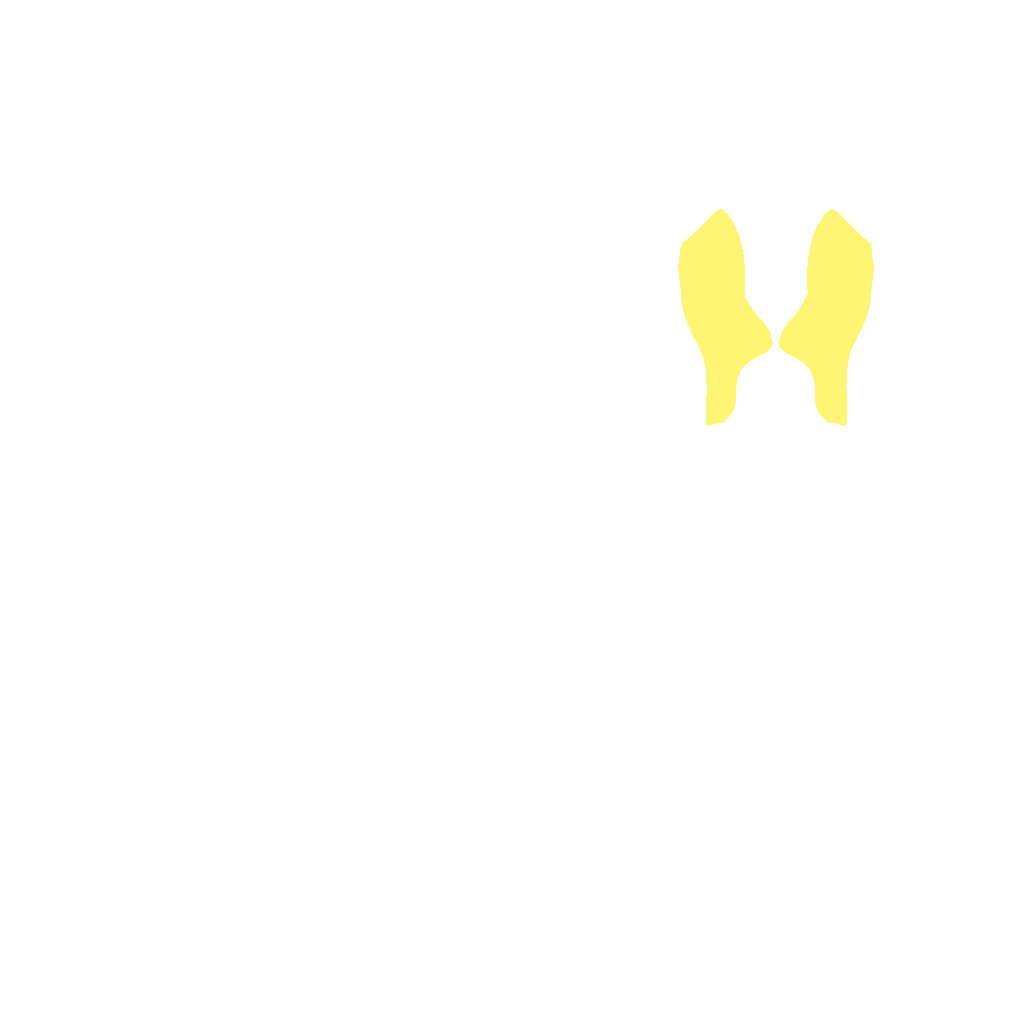


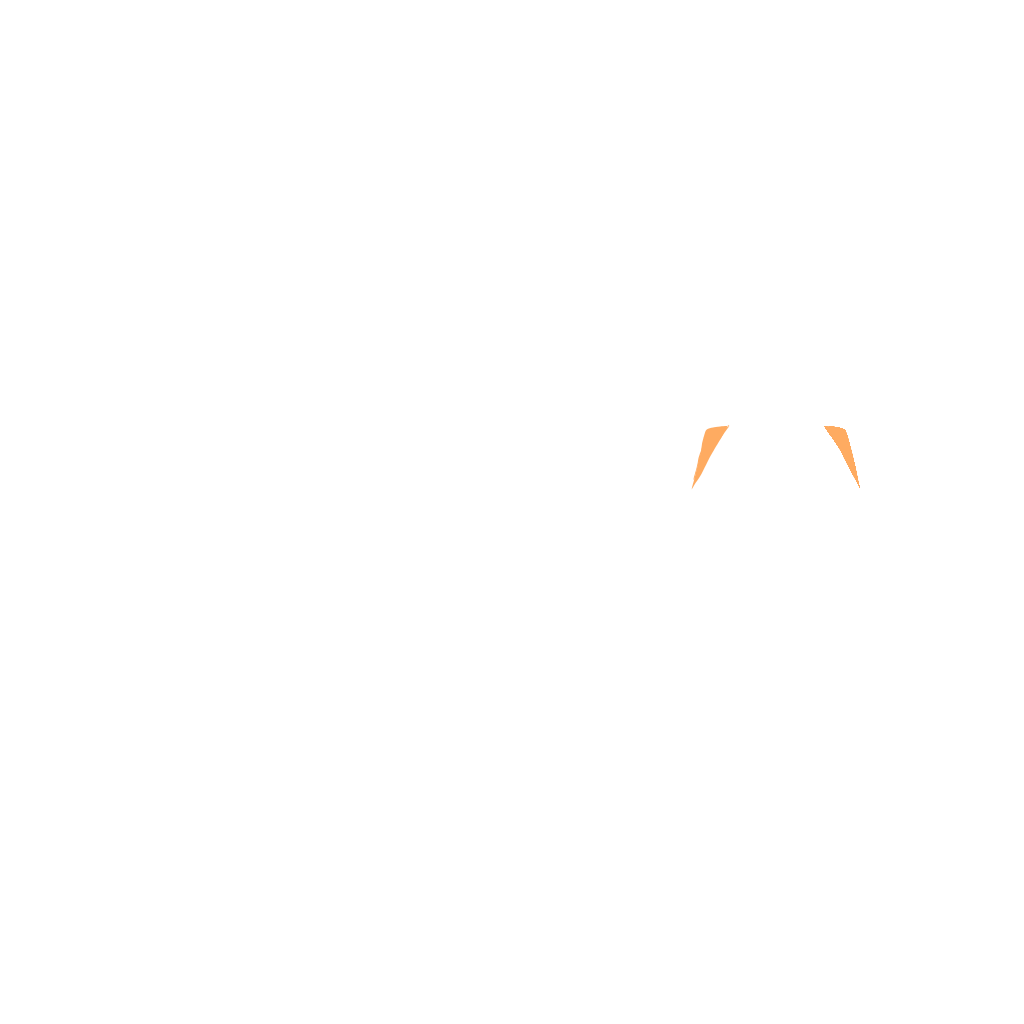
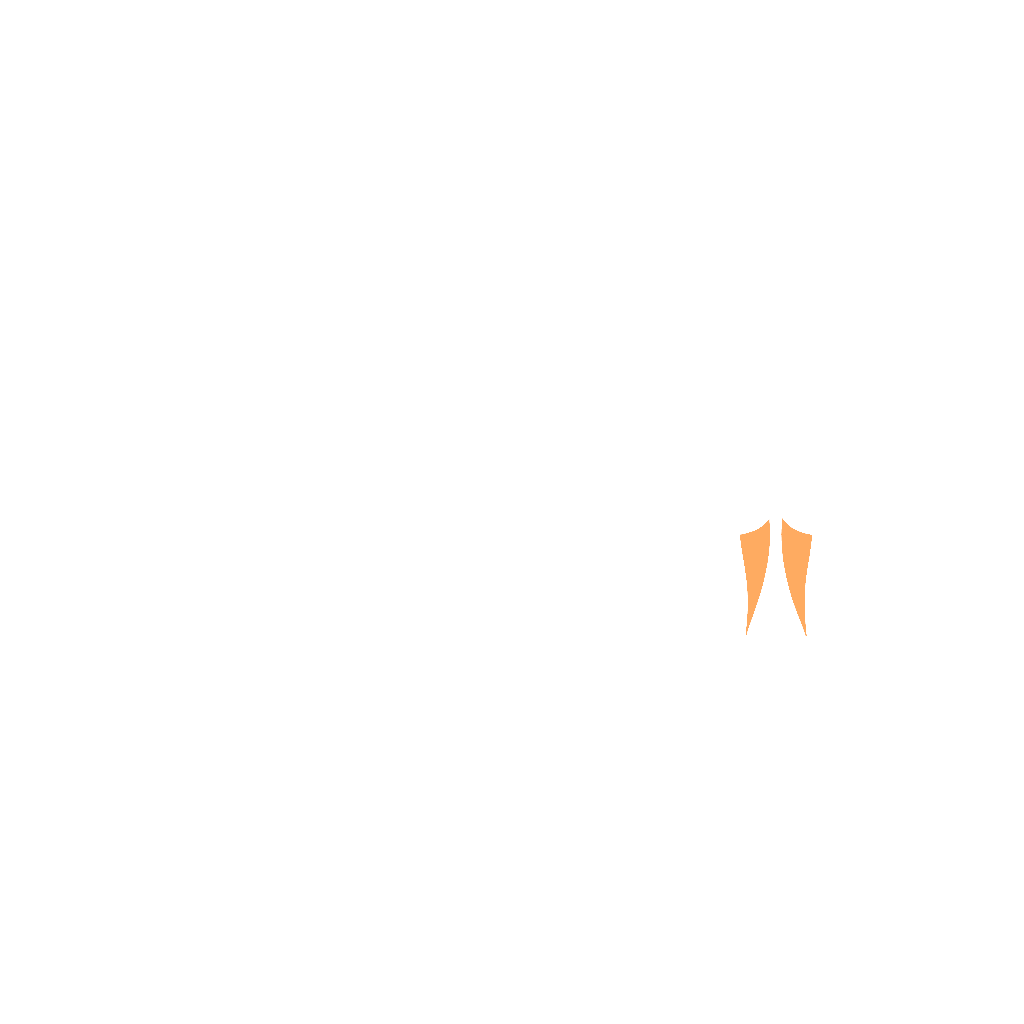



- Target
- Rectus Femoris, Vastus Lateralis, Gluteus Maximus
- Secondary
- Biceps Femoris, Semitendinosus, Gluteus Medius, Adductor Magnus
- Tertiary
- Soleus Gastrocnemius, Erector Spinae, Latissimus Dorsi
How to do it
- 1
Face the sled and hold the strap or handles with tension in the line.
- 2
Stand tall with the core braced and feet hip-width apart.
- 3
Step one foot straight back and lower into a lunge until the front thigh is parallel.
- 4
Keep the front shin fairly vertical and the torso upright against the strap.
- 5
Drive through the front heel to stand and pull the sled a step closer.
- 6
Alternate legs or finish one side before switching for the set reps.
Tips
- Let the strap tension support you slightly, but make the front leg do the driving.
- Track the front knee over the toes and keep the heel planted through the drive.
- Keep the trunk tall and resist being pulled forward by the sled line.
Variations
Common mistakes
- Slack appears in the line at the bottom of the rep and you drop the last few inches; keep tension the whole way down so the sled is actually holding some of your weight.
- The arms turn it into a row, hauling on the handles to stand up so the sled comes to you rather than the front leg pushing the ground away.
- Plate count carries over from sled pushes, but here only one leg is driving; start with roughly half of what you would push and adjust for how much the turf grabs.
- Distance from the sled shrinks rep by rep until the strap angle is almost vertical, which stops helping and starts pulling you down; walk back and reset when the line gets steep.
- The trunk leans back against the strap like a water-skier, which takes the front leg out of it and hands the work to the arms and lower back.
Frequently asked
- Should I program the sled reverse lunge by reps or by distance?
- Distance works better: pick a fifteen to twenty yard turf lane, lunge down it alternating legs, then walk back and go again for three or four trips. If you would rather count, six to eight reps per leg for three or four rounds is a fair equivalent. Rest until your breathing settles, because the sled makes this a conditioning piece as much as a strength one, and sloppy lunges under fatigue are not worth the extra round.
- What can I use instead of a sled for this lunge?
- A cable handle set at chest height gives the same forward pull with resistance that never goes slack. A band anchored in front of you does the same for nothing, though its tension rises as you step back rather than staying even. Without either, hold a light dumbbell in each hand and slow the descent; you lose the forward support, so drop the load accordingly.
- What is the sled reverse lunge good for?
- It combines single-leg strength with the sled's smooth resistance and very little lowering load, so it builds quads and glutes while going easy on the joints, which suits athletes in season and anyone whose knees object to heavy barbell lunges. It is a poor choice if maximum strength is the goal, since the strap support caps how hard the leg has to work, and it needs turf and a sled, which rules out most home setups.
Related exercises
Other movements among FitRay's 2,000+ exercises that load the same target muscle — same equipment and level first.
- IntermediateBulgarian Split SquatBench · Dumbbell · Glutes
- IntermediateLunge MatrixBody Weight · Glutes · Quads
- IntermediateSkater JumpBody Weight · Glutes · Quads
- IntermediateTRX Bulgarian Split SquatTRX · Glutes · Quads
- IntermediateATG Split SquatBody Weight · Dumbbell · Glutes
- IntermediateBand Reverse LungeBand · Glutes · Quads