Slider Reverse Lunge
Sliding the rear foot back keeps that leg in contact with the floor the whole time, which removes the balance jolt of a stepping lunge and puts continuous tension on the front-leg quad and glute. The controlled glide out and pull back means the working leg never gets a rest, so it burns even at bodyweight. It is a joint-friendly, low-impact way to build single-leg strength and control at home or in a warm-up.
- Equipment
- Sliders
- Type
- Balance, Strength
- Browse by muscle
- Rectus Femoris, Vastus Lateralis
- Browse by movement
- Lunge



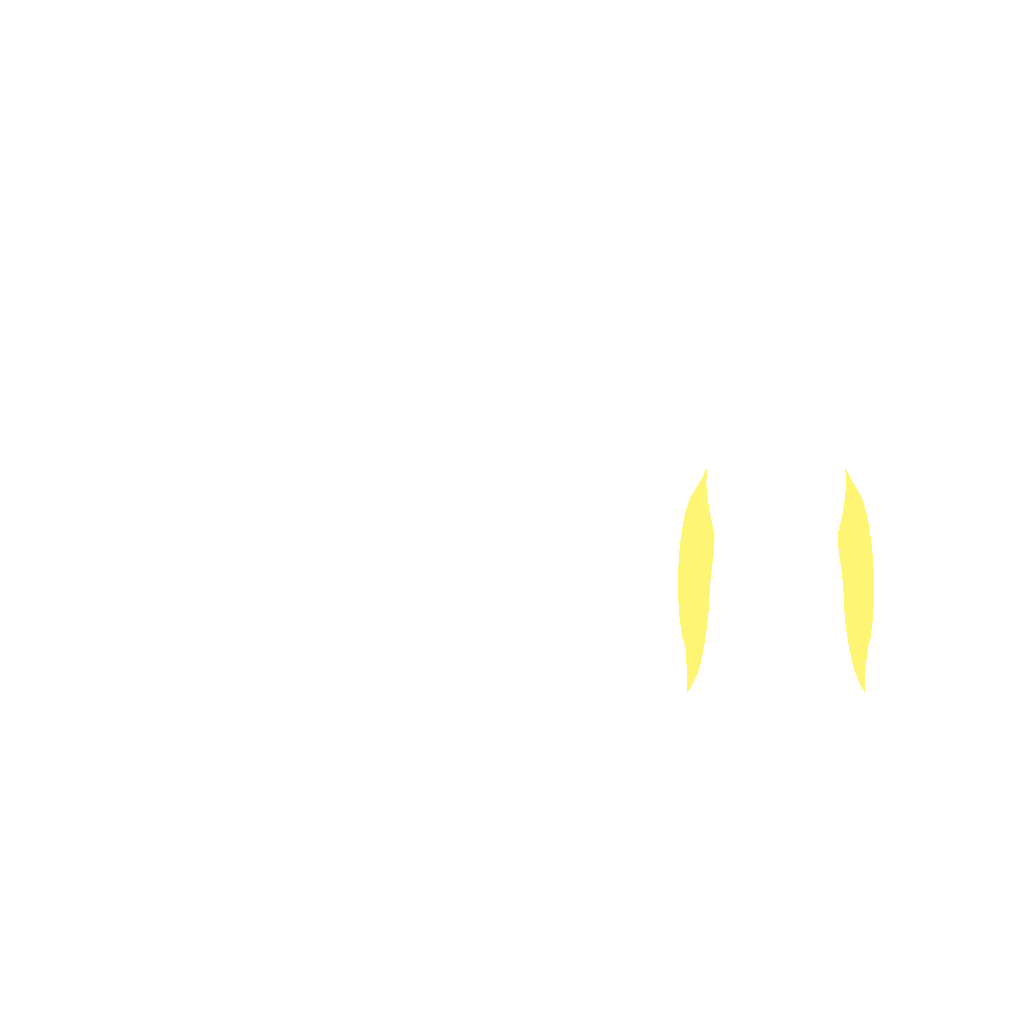

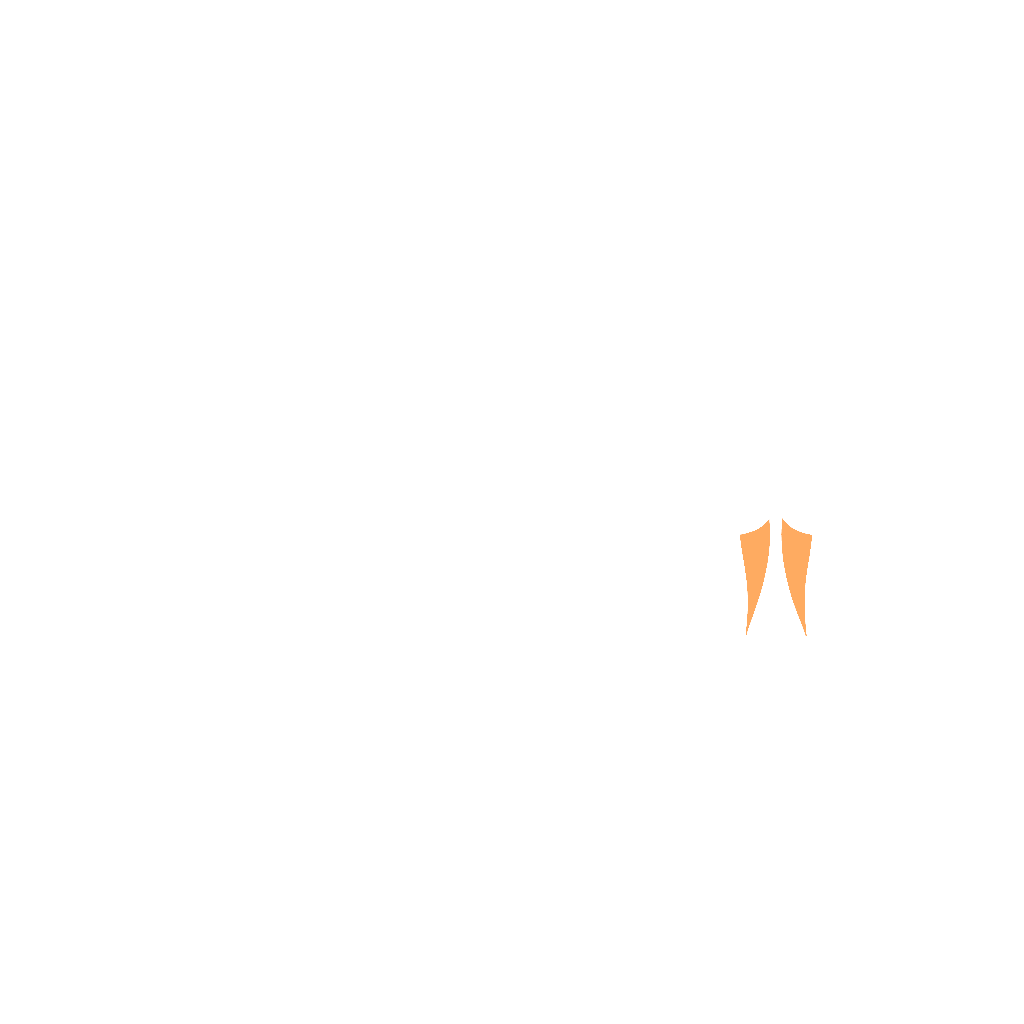


- Target
- Rectus Femoris, Vastus Lateralis
- Secondary
- Gluteus Maximus, Adductor Magnus
- Tertiary
- Gluteus Medius, Biceps Femoris
How to do it
- 1
Stand on a smooth floor with a slider or folded towel under one foot.
- 2
Shift your weight onto the other leg and set a tall, braced posture.
- 3
Slide the loaded foot straight back, bending the front knee to lower into a lunge.
- 4
Descend until the front thigh reaches parallel while keeping the torso upright.
- 5
Pull the sliding foot back in by driving through the front heel to return to standing.
- 6
Keep tension on the front leg throughout and finish the set before switching sides.
Tips
- Move slowly and keep the glide smooth so the front leg stays under constant tension.
- Push the floor away with the front heel to pull the slider back rather than hopping in.
- Add dumbbells or a slower tempo once bodyweight becomes easy.
Variations
Common mistakes
- The sliding foot bears weight partway through the rep, which cancels the whole point of a slide that is supposed to leave the front leg doing all the work.
- Letting the front heel peel up as the knee drifts forward on a fast rep is easy to miss since there is no load to slow you down, and it still shifts your weight onto the ball of the foot.
- A slider on a carpeted or textured floor catches and jerks instead of gliding, turning a smooth eccentric into a series of small stops.
- The slide travels too short a distance to reach real depth, so the front thigh never approaches parallel even though the rep looks finished.
- The torso leans forward to help balance as the leg slides back, which shifts load off the front thigh and onto the lower back instead.
Frequently asked
- How many sets and reps of the slider reverse lunge should a beginner do?
- Start with 2 to 3 sets of 8 to 10 slow reps per leg, keeping every rep smooth enough that the front leg never gets a break at the top or bottom. Once bodyweight feels easy for that volume, add a light dumbbell in each hand or slow the tempo down before adding more reps.
- What can you use instead of a slider for the reverse lunge if you don't have one?
- A folded towel, a paper plate, or even a sock works on a hard floor like tile or hardwood; the point is anything that glides instead of grips. On carpet, skip the slide entirely and step back into a normal reverse lunge instead, since a slider will not glide there anyway.
- What is the slider reverse lunge good for, and when is it not the right pick?
- It builds single-leg strength and control with continuous tension and no impact, which makes it a good fit for beginners, home workouts, or anyone easing back in after time off. It is not the best choice once you need real loading to keep progressing, or on a floor and footwear combination that will not let the slider glide safely.
Related exercises
Other movements among FitRay's 2,000+ exercises that load the same target muscle — same equipment and level first.
- IntermediateSlider Lateral LungeSliders · Quads · Thighs
- BeginnerWalking LungeDumbbell · Glutes · Quads
- BeginnerBackward Lunge with ReachBody Weight · Glutes · Quads
- BeginnerCrescent LungeBody Weight · Glutes · Quads
- BeginnerCurtsy PulseBody Weight · Glutes · Quads
- BeginnerDumbbell Forward LungeDumbbell · Glutes · Quads