Smith Machine Squat
The Smith machine locks the bar to a fixed track, which lets newer lifters focus on quad drive without balancing the load, and the built-in hooks make failing a rep safe. Placing the feet slightly forward emphasizes the quads even more. It is a solid choice for beginners and for higher-rep leg work when you want to push close to failure.
- Equipment
- Smith Machine
- Body part
- Quads
- Type
- Strength
- Browse by muscle
- Rectus Femoris, Vastus Lateralis
- Browse by movement
- Squat




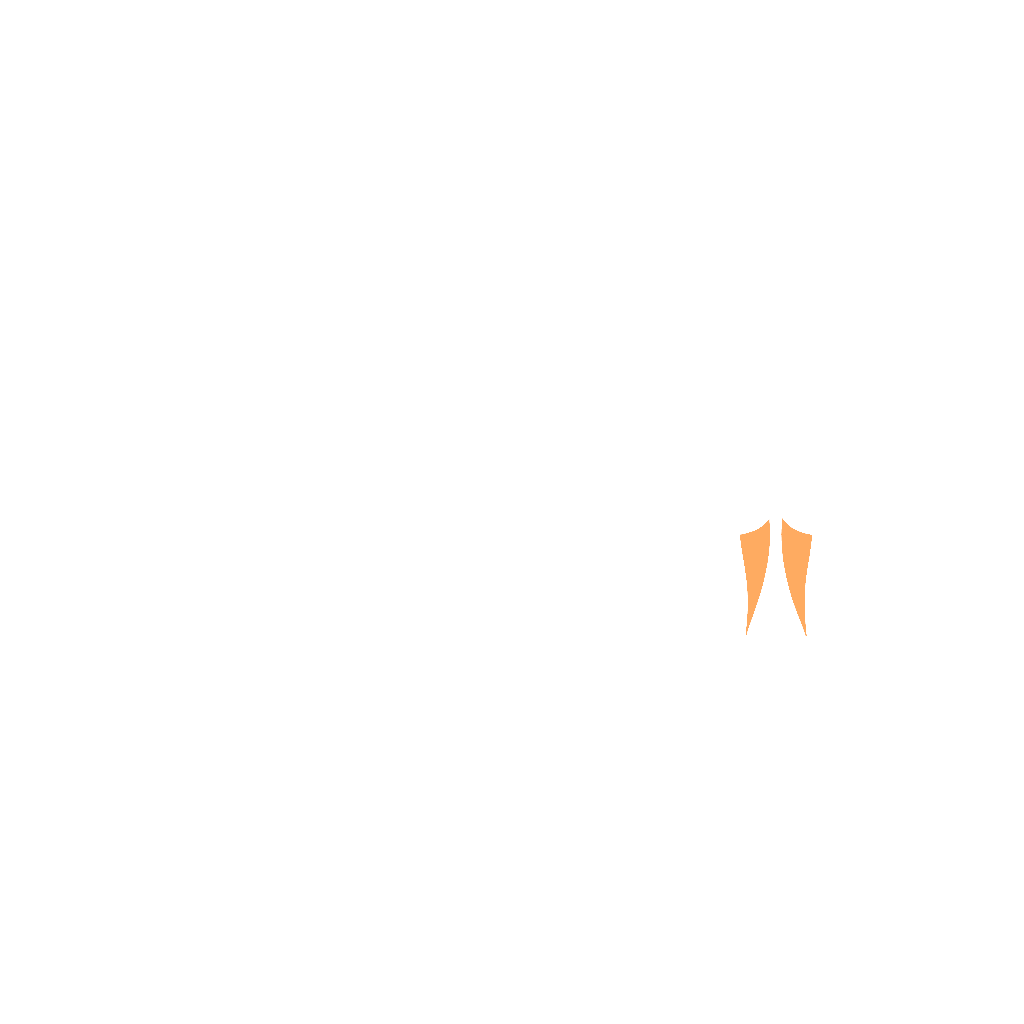


- Target
- Rectus Femoris, Vastus Lateralis
- Secondary
- Gluteus Maximus, Adductor Magnus
- Tertiary
- Erector Spinae
How to do it
- 1
Set the bar on the Smith machine to upper-chest height and position it across your upper traps.
- 2
Rotate the bar to unhook it and walk your feet a few inches out in front of your hips.
- 3
Set a shoulder-width stance and brace your core against a full breath.
- 4
Bend the knees and lower under control until the thighs reach parallel or just below.
- 5
Drive through the mid-foot to stand, keeping tension on the quads at the top.
- 6
Rotate the bar back into the hooks only once you have finished the set.
Tips
- Position the feet slightly ahead of the bar so the knees can travel forward and load the quads.
- Do not lean back into the bar; keep your spine stacked over your hips.
- Set the safety stops at your bottom depth so you can push hard without a spotter.
Variations
Common mistakes
- Rolling the wrists to hunt for the hooks during the final rep. One shoulder drops, the bar twists across the traps, and you lose the brace at the point in the set where you need it most.
- Resting the bar on the bony ridge at the base of the neck. The fixed track means it cannot settle where it wants to, so it grinds in one spot for every rep of the set.
- Treating the guided path as a reason to skip bracing. The machine carries the balance, not the load; take and hold a full breath on each rep so the spine is supported.
- Walking the feet out a different distance every set. Two inches changes how much the knees can travel, and with it how much of the work lands on the quads rather than the hips.
- Yanking upward on a bar that is still hooked. The bar has to be rotated out of the catches first, and pulling against a locked bar is a quick way to tweak something in the back.
Frequently asked
- How many sets and reps of the Smith machine squat should a beginner do?
- Three to four sets of eight to twelve suits this machine, because the hooks let you push closer to failure than a free bar without a spotter. Stop each set with one or two reps in reserve at first, and on the last set of the last exercise you can take it to the point where the speed drops off. Set the safety stops at your bottom depth so a missed rep is a non-event, and add small weight increases once you hit the top of the rep range twice.
- What can I do instead of the Smith machine squat if my gym does not have one?
- A hack squat machine gives you the same guided path and forward foot position. Failing that, a barbell squat in a rack with the safeties set at your depth covers the same ground and adds the balance work the machine removes. At home, a heavy goblet squat or a dumbbell squat done for high reps is the closest match, since both let you push near failure without needing anyone to catch the weight.
- What is the Smith machine squat good for and when is it the wrong choice?
- It is a good fit for newer lifters who want to build quad strength without managing balance, and for anyone training alone who wants to take a set close to failure safely. The forward foot position biases the quads further. It is the wrong choice if you are training for a free-weight squat or a sport, since the machine does the stabilizing for you, and it can irritate the hips or knees in people whose natural squat path does not match the fixed track.
Related exercises
Other movements among FitRay's 2,000+ exercises that load the same target muscle — same equipment and level first.