Snatch Pull
The snatch pull trains the exact bar path and explosive extension of the snatch but stops at the top of the pull, letting you handle heavier loads than the full lift. It is a staple strength builder for the posterior chain, traps, and second pull. Program it after your competition lifts as a way to overload the pull safely.
- Equipment
- Barbell
- Type
- Strength
- Browse by muscle
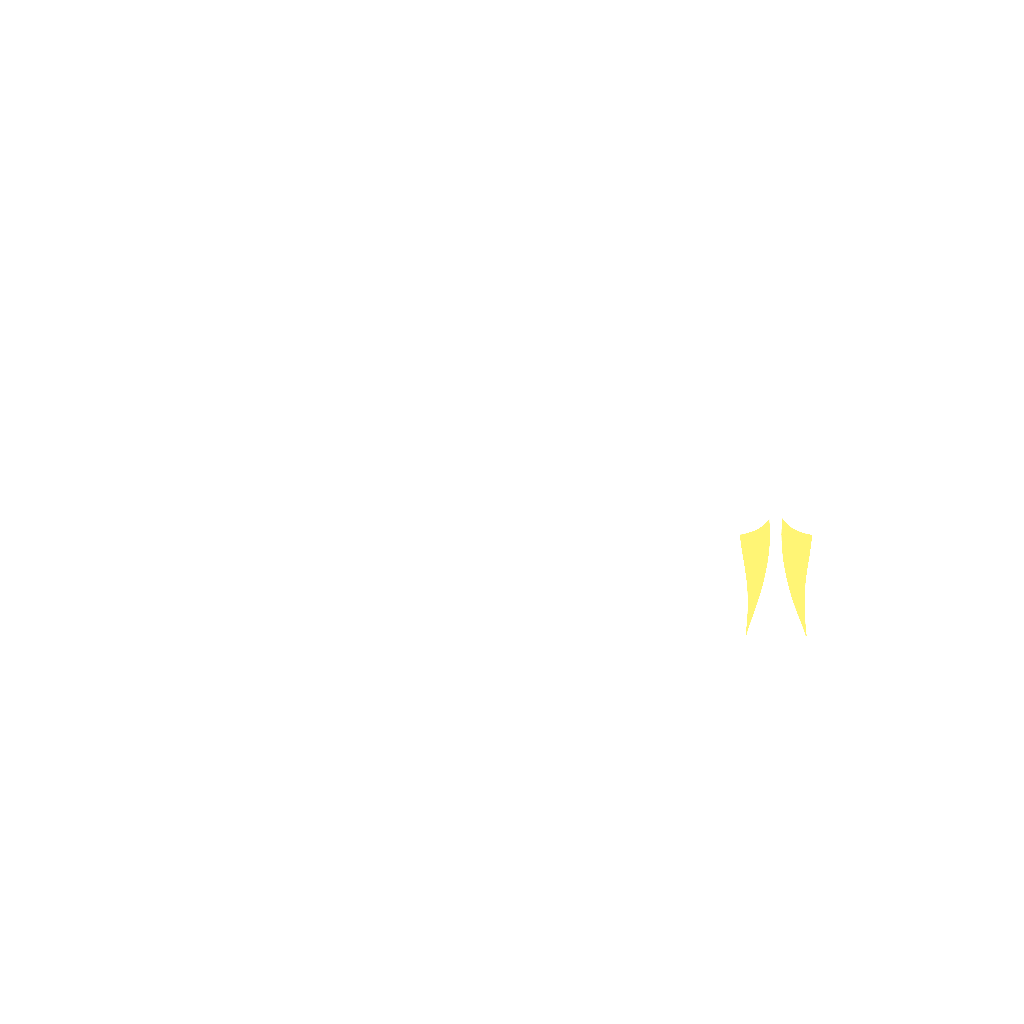
- Gluteus Maximus, Erector Spinae, Trapezius Upper, Biceps Femoris
- Browse by movement
- Hinge















- Target
- Gluteus Maximus, Erector Spinae, Trapezius Upper, Biceps Femoris
- Secondary
- Semitendinosus, Vastus Lateralis, Rectus Femoris, Trapezius Middle, Deltoid Middle
- Tertiary
- Adductor Magnus, Brachioradialis, Abdominal External Oblique
How to do it
- 1
Take a wide snatch grip with a hook grip, hips down and chest up over the bar.
- 2
Push the floor away and keep the bar close as it clears the knees.
- 3
Accelerate hard into full hip, knee, and ankle extension.
- 4
Shrug the shoulders aggressively and let the bar rise as high as the momentum carries it.
- 5
Keep the arms relaxed and long, then guide the bar back down along the thighs.
- 6
Reset your brace and grip before the next repetition.
Tips
- Do not pull early with the arms; keep them like ropes until the hips finish.
- Stay over the bar longer off the floor and let the explosion happen at the top.
- Keep the bar brushing the thighs so the pull stays vertical and powerful.
Variations
Common mistakes
- Bending the elbows to pull the bar higher after the hips finish extending turns a hip-power drill into an arm-strength exercise instead.
- Once the bar clears the knees, people often rush to full extension instead of staying patient over the bar, which cuts the pull's power phase short.
- The hips shoot back too far during the first pull off the floor, throwing the bar path forward and away from the thighs before the real acceleration even starts.
- The bar swings away from the thighs on the way back down instead of being guided close, wasting the rep's second half on redirecting a loose bar.
- Loading a weight barely heavier than a comfortable snatch instead of a genuine overload skips the point of using a pull as an overload tool.
Frequently asked
- What is a sensible starting dose for the snatch pull, and what should it be paired with?
- Do 3 to 5 sets of 2 to 3 reps at 100 to 110 percent of your best snatch weight, since the point is overloading the pull, not the whole lift. Program it after your competition snatch work in a session, and make sure your basic snatch technique is already sound.
- What can replace the snatch pull without a barbell?
- A heavy kettlebell or dumbbell high pull trains a related hip-extension-into-a-shrug pattern, though with far less load than a barbell allows. Without weight, practice the hip hinge and aggressive extension with just your bodyweight to reinforce the timing.
- What does the snatch pull build, and who should not bother with it?
- It overloads the exact bar path and hip extension of the snatch without the technical demand of catching it overhead, a strong strength builder for the posterior chain and traps. It is not useful for anyone who has not yet learned a full snatch, since it trains a piece of a skill they do not have yet.
Related exercises
Other movements among FitRay's 2,000+ exercises that load the same target muscle — same equipment and level first.