Lateral Lunge Walk
Most warm-ups live in the forward-back plane, so this drill fills the gap by prepping side-to-side movement and groin range. Each step sits into one hip while the trailing leg straightens and stretches through the adductors. It is a smart primer before skating, change-of-direction work, Cossack squats, or any lateral leg training.
- Equipment
- Body Weight
- Type
- Functional, Stretching
- Browse by muscle
- Adductor Longus, Adductor Magnus, Gluteus Maximus
- Browse by movement
- Lunge


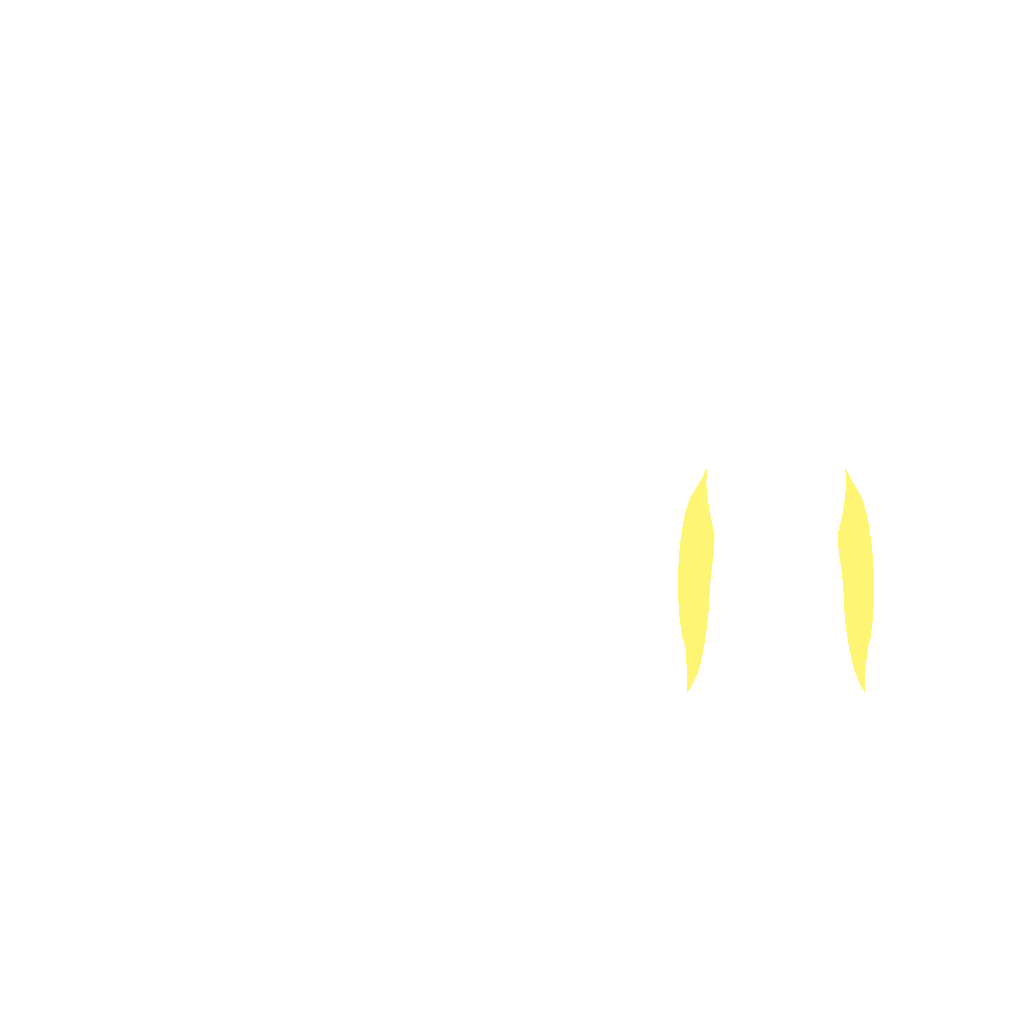



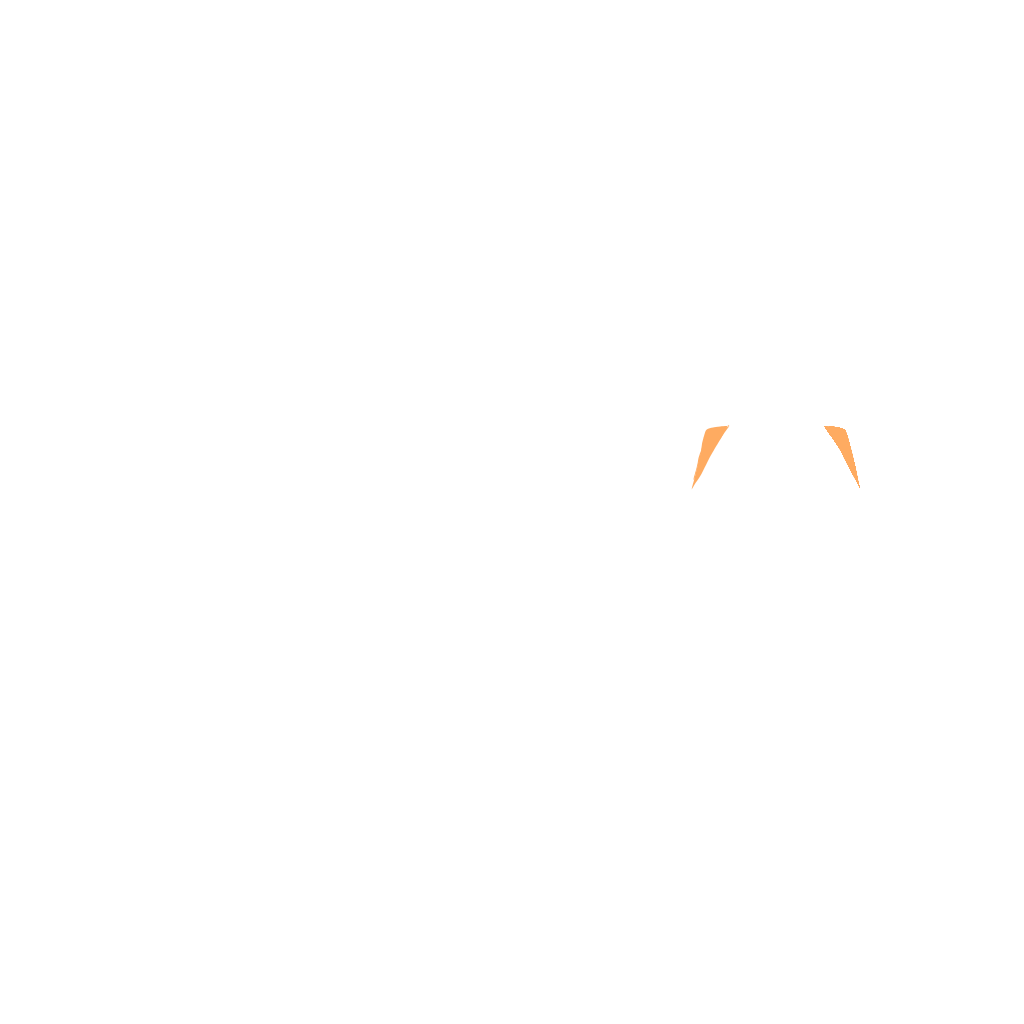
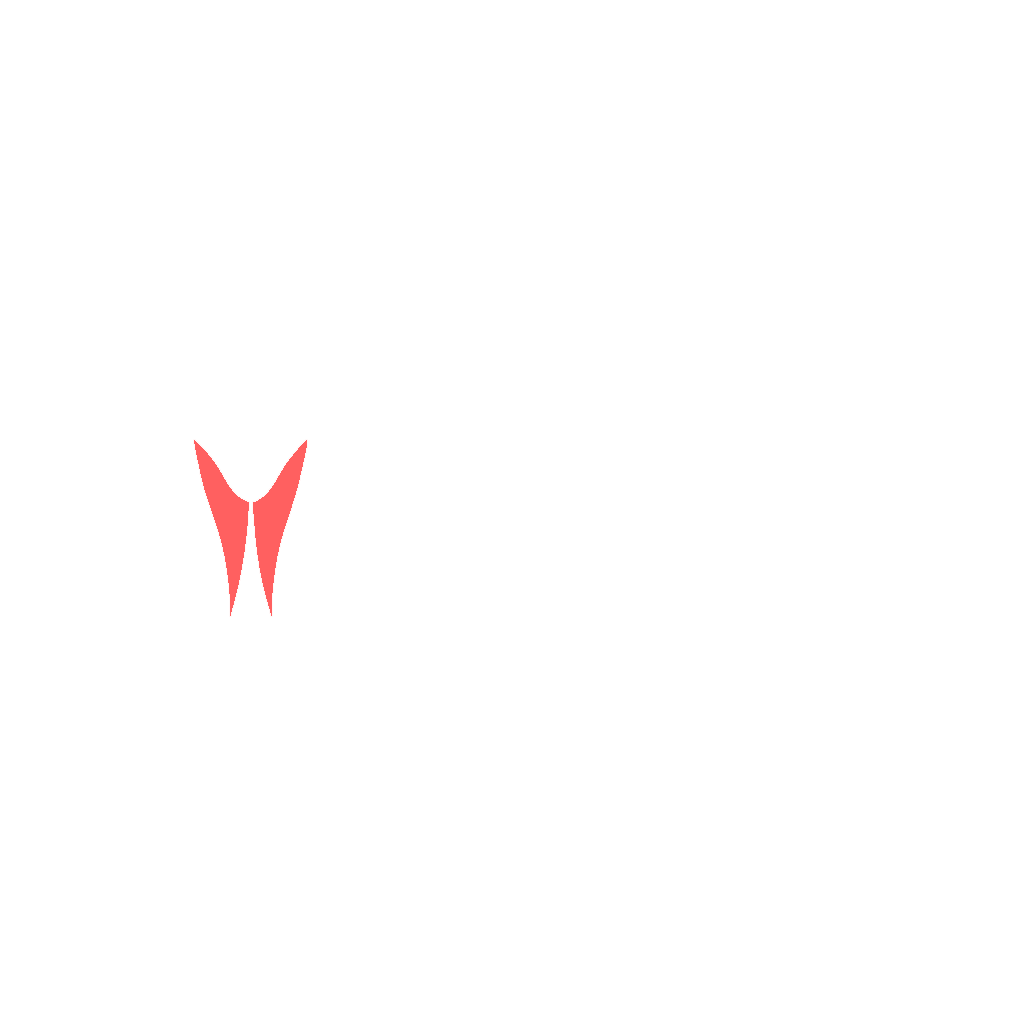
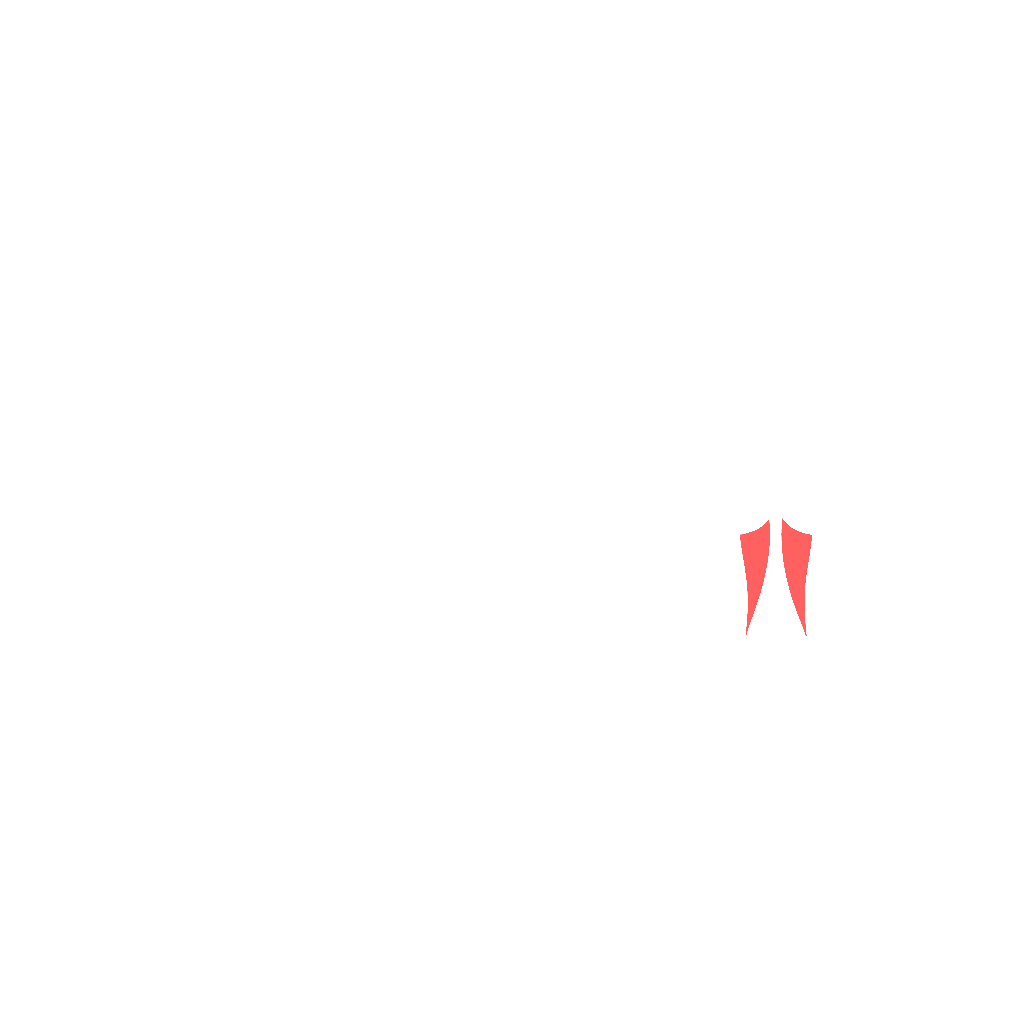

- Target
- Adductor Longus, Adductor Magnus, Gluteus Maximus
- Secondary
- Vastus Lateralis, Rectus Femoris, Gluteus Medius
- Tertiary
- Biceps Femoris, Erector Spinae
How to do it
- 1
Stand with feet together and hands clasped at chest height for balance.
- 2
Take a wide step to one side and sit the hips back into that leg, bending the knee.
- 3
Keep the trailing leg straight and both feet flat, feeling a stretch through the inner thigh.
- 4
Push off the bent leg to bring the feet together, then continue traveling in the same direction.
- 5
Complete the planned distance, then reverse and lunge back toward the start.
- 6
Keep the chest lifted and the working knee tracking over the foot throughout.
Tips
- Sit the hips back as if reaching for a chair rather than letting the knee drift forward.
- Keep the straight leg's foot flat and toes forward to bias the adductors.
- Control the tempo instead of bouncing side to side.
Variations
Common mistakes
- Step width is decided on the first rep and never revisited, so the adductors meet their widest position before they have any blood in them; open the stance up gradually over the first few strides.
- The feet come together between steps with a small hop, which is faster but skips the push off the bent leg that makes this a lunge rather than a shuffle.
- Travel only ever goes one way, so the same leg leads every rep and the trailing side never gets its turn; lunge back toward the start as the steps describe.
- The trailing knee bends a little on every step, which feels more comfortable and takes that leg's inner thigh out of the drill entirely.
- The chest drops toward the bent knee as the hips sit back, so the low back rounds in a position that was meant to open the groin.
Frequently asked
- How many lateral lunge walks should a beginner do as a warm-up?
- Two passes of eight to ten steps in each direction, out and back, early in a session that involves change of direction, skating, or wide-stance lifting. Keep the first pass narrow and the second wider. Progress by widening the step and adding a third pass rather than by holding anything or adding load; this is preparation, and the adductors get sore quickly in a direction most programs never use.
- How do you make the lateral lunge walk easier or harder?
- Easier: take shorter steps, sit down only a few inches, and keep a hand on a wall or rail for the first pass. A step-and-touch without the full sit is a fair starting point if the groin feels tight. Harder: pause for two seconds at the bottom of each step, slow the tempo so nothing bounces, hold a light plate at the chest, or cover a longer distance without standing tall in between.
- What is the lateral lunge walk good for?
- It fills the gap left by warm-ups that only run forward and back, preparing the adductors, hips, and knees for side-to-side movement before skating, court sports, Cossack squats, or any lateral leg work. It is a primer rather than a strength exercise: if you want adductor strength, load a lateral lunge or a Cossack squat instead. Hold off while a groin strain is still tender, since every step takes the trailing leg toward the end of its range.
Related exercises
Other movements among FitRay's 2,000+ exercises that load the same target muscle — same equipment and level first.
- BeginnerBackward Lunge with ReachBody Weight · Glutes · Quads
- BeginnerCurtsy PulseBody Weight · Glutes · Quads
- BeginnerGroiner LungeBody Weight · Thighs
- BeginnerHalf-Kneeling Get-UpBody Weight · Glutes · Quads
- IntermediateLunge MatrixBody Weight · Glutes · Quads
- IntermediateSkater JumpBody Weight · Glutes · Quads