Band Reverse Curl
Flipping to a palms-down grip puts the biceps at a weak angle and hands the job to the brachioradialis and forearm extensors, so it builds thicker forearms and a stronger grip while adding elbow-flexor size. Band tension rises toward the top, the range where dumbbells feel easy. Use it as a forearm and arm accessory late in the session.
- Equipment
- Band
- Type
- Strength
- Browse by muscle
- Brachioradialis
- Browse by movement
- Elbow Flexion


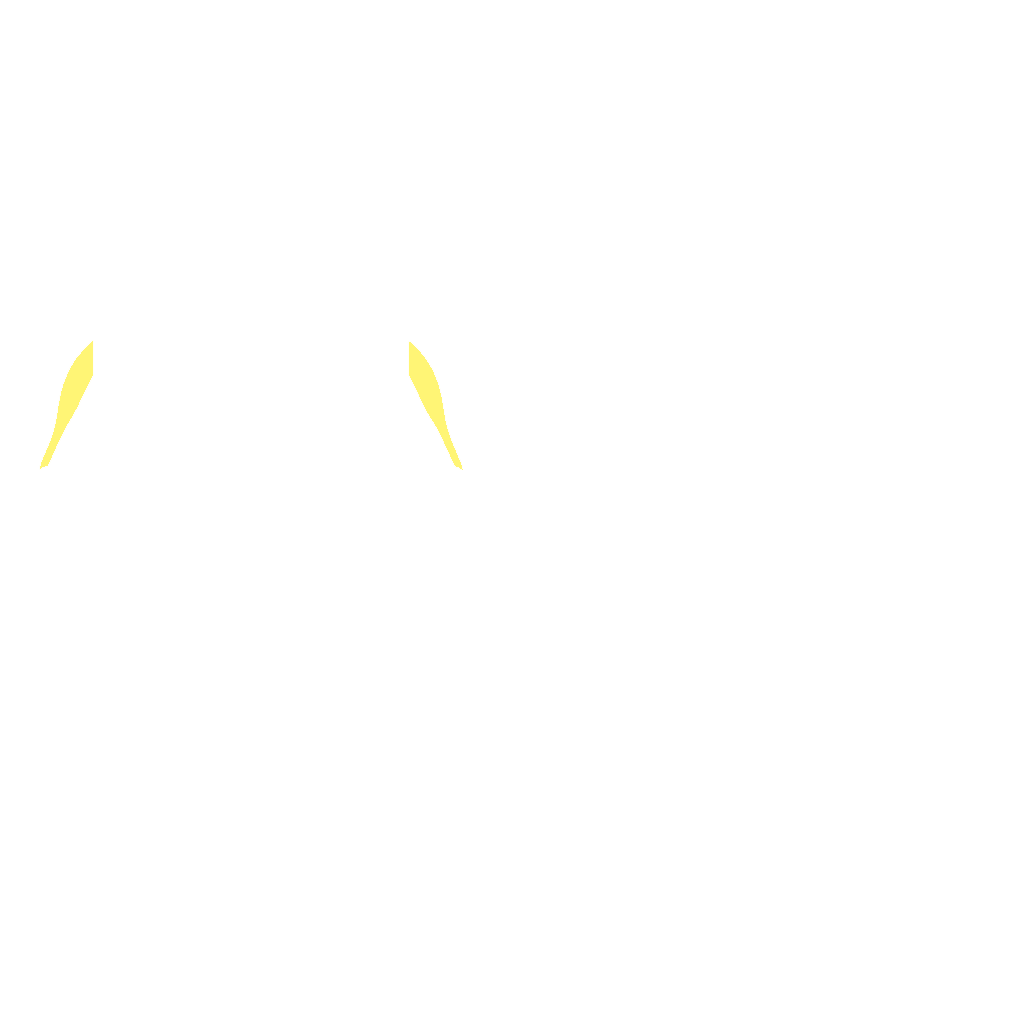
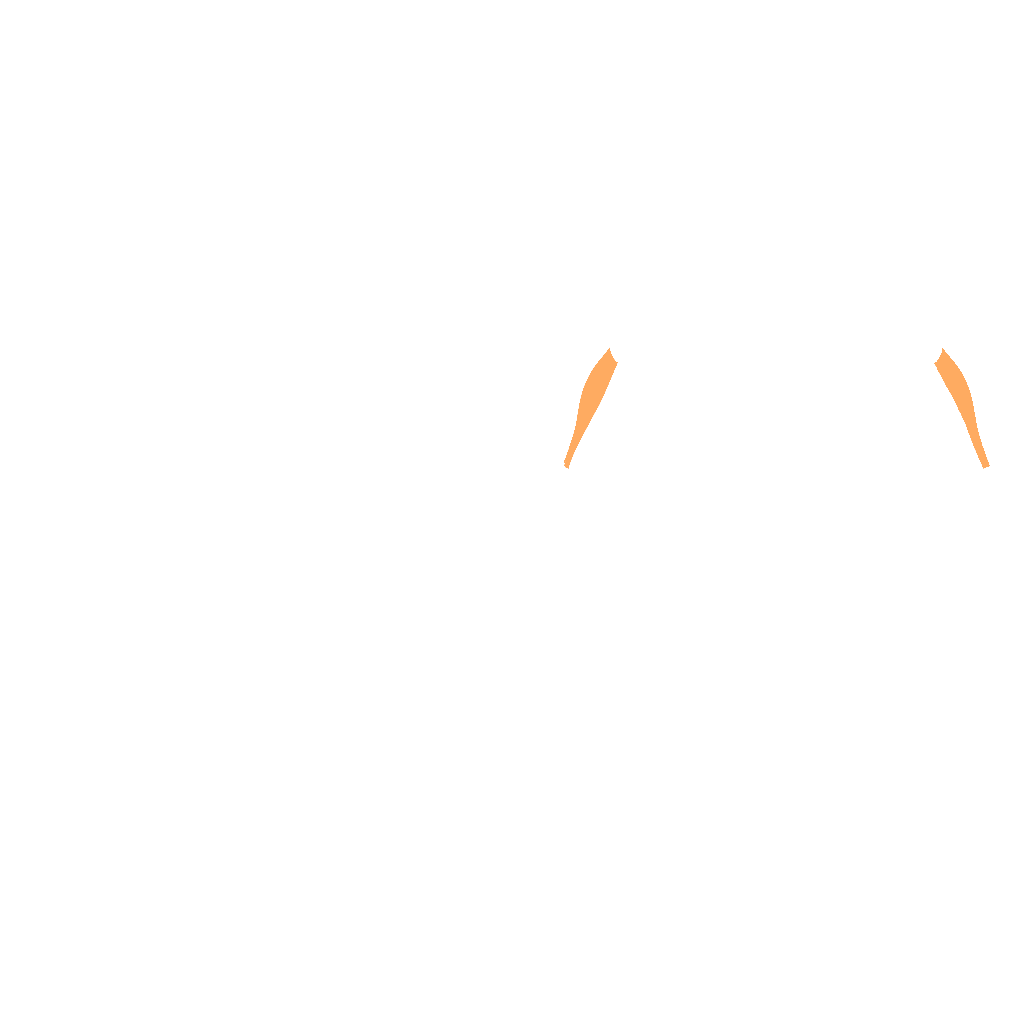


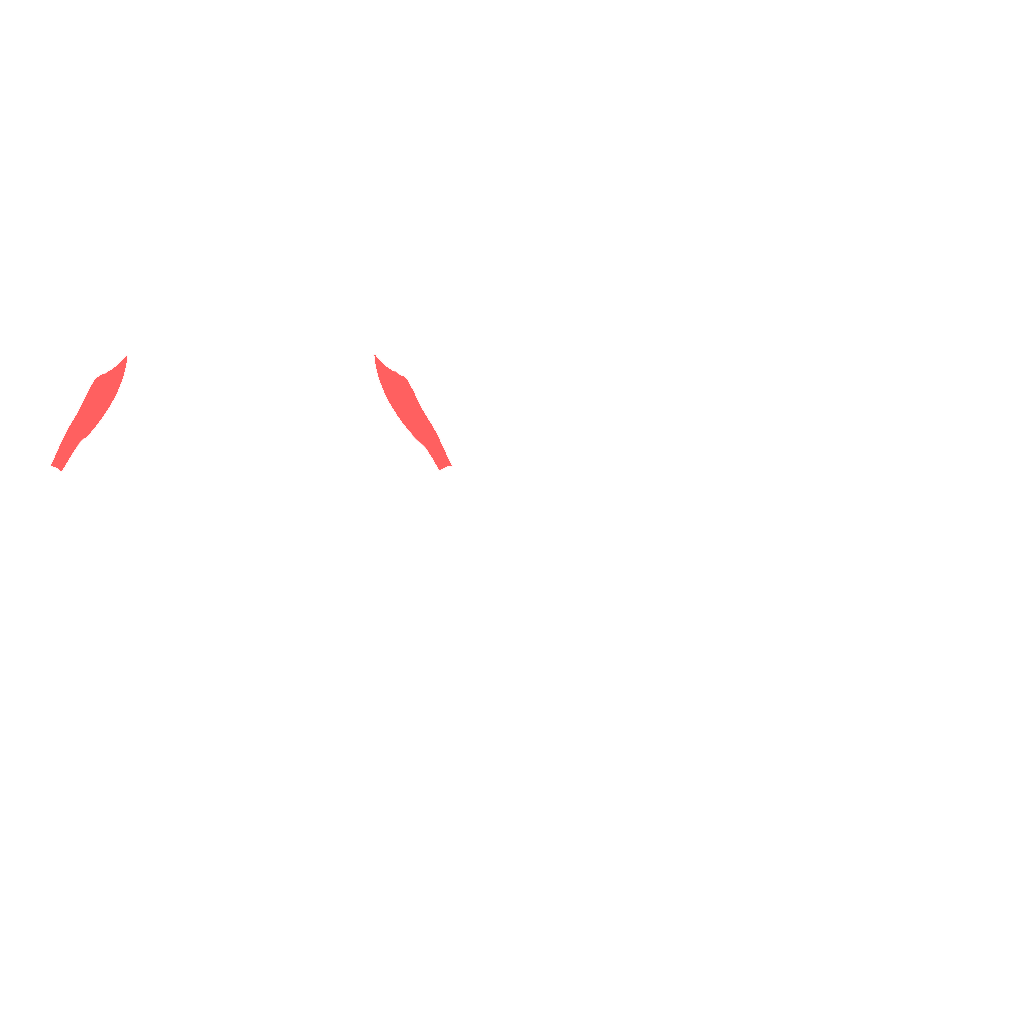
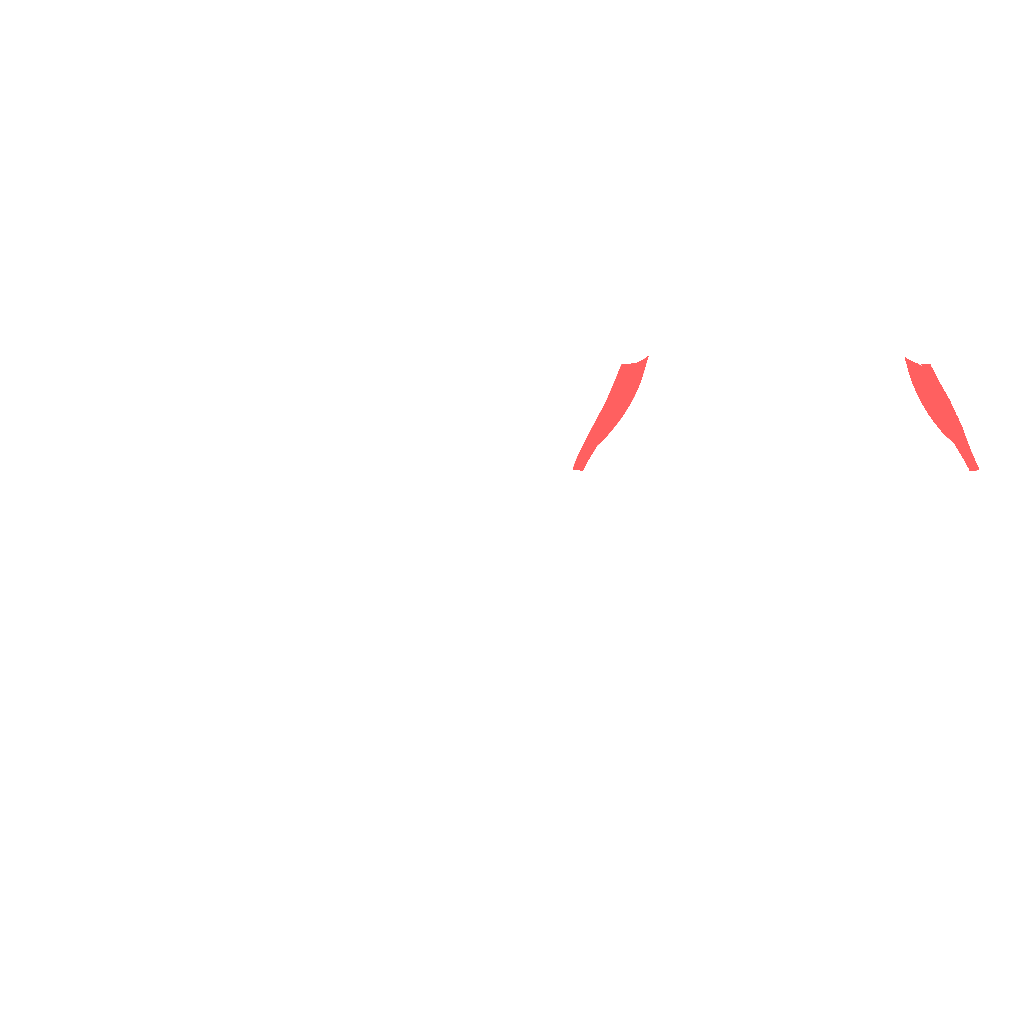
- Target
- Brachioradialis
- Secondary
- Extensors, Biceps Brachii Long Head, Biceps Brachii Short Head
- Tertiary
- Extensor Carpi Ulnaris
How to do it
- 1
Stand on the middle of a band with feet hip-width, gripping an end in each hand.
- 2
Turn the palms to face back so the knuckles point forward, arms hanging at the thighs.
- 3
Brace the trunk and pin the elbows to your sides.
- 4
Curl the hands up toward the shoulders, keeping the wrists straight and firm.
- 5
Squeeze the forearms and biceps at the top.
- 6
Lower the hands back down slowly to full extension.
Tips
- Keep the wrists locked straight; do not let them curl under the load.
- Hold the elbows fixed at your sides so the forearms do the lifting.
- Expect to use a lighter band than a standard curl; the grip is weaker.
- Control the eccentric to load the brachioradialis fully.
Variations
Common mistakes
- Holding a round handle palms-down, where nothing stops the band rolling out of your fingers. Wrap the band once around each hand or clip on a short bar so the pull sits across your palm.
- Letting the band drag over the back of your hand and across the wrist bones, which stings long before the forearm is tired. Run it up the outside of the wrist instead of over the knuckles.
- Letting your hands travel wider as they rise, because the band pulls outward from under your feet. Keep the knuckles moving straight up in front of each shoulder.
- Deciding you have gotten weaker because a band feels harder at the top than a dumbbell does. The two load opposite ends of the movement, so the numbers do not translate.
Frequently asked
- How many sets and reps of the band reverse curl should a beginner do?
- Three sets of 15 to 20, late in the session. A band is lightest at the bottom and heaviest at the top, which is where a palms-down grip is weakest, so most people need a thinner band than they expect. Add a two-second pause at the top before you reach for a thicker one, since that pause loads the exact range the band makes hard. Two or three times a week is fine at this load.
- What can I use instead of a band for reverse curls?
- Dumbbells held overhand give you the standard version in known load steps. An EZ bar or a straight barbell allows more weight but ties both wrists to one angle. A low cable with a straight bar is the closest match for constant tension. With nothing at all, grip a loaded backpack by the top handle with the palm down, or hang a bag from the middle of a broom handle.
- What is the band reverse curl for?
- It builds the brachioradialis and wrist extensors on the top of the forearm and adds a little to the elbow flexors, with very little load on the joint, which makes it a good option for home training, for high-rep finishing work, and for elbows that dislike a straight bar. It is a poor choice if upper-arm size is the goal, since the palms-down grip weakens the biceps by design, and it is not the tool for tracking strength progress, because a band gives you no numbers.
Related exercises
Other movements among FitRay's 2,000+ exercises that load the same target muscle — same equipment and level first.
- BeginnerBand Hammer CurlBand · Biceps · Forearms
- BeginnerHammer CurlDumbbell · Biceps · Forearms
- BeginnerDumbbell Reverse CurlDumbbell · Biceps · Forearms
- BeginnerCable Reverse CurlCables · Forearms
- BeginnerCross-Body Hammer CurlDumbbell · Biceps · Forearms
- BeginnerDumbbell Hammer Curl PulseDumbbell · Biceps · Forearms