Cable Reverse Curl
Swapping the free bar for a cable keeps the load pulling the whole way up, so the brachioradialis and wrist extensors never get a break at the top. The palms-down grip takes the biceps out of the driver's seat and builds the thick upper forearm that fills a sleeve. Run it after your main biceps work with strict, controlled reps.
- Equipment
- Cables
- Body part
- Forearms
- Type
- Strength
- Browse by muscle
- Brachioradialis
- Browse by movement
- Elbow Flexion


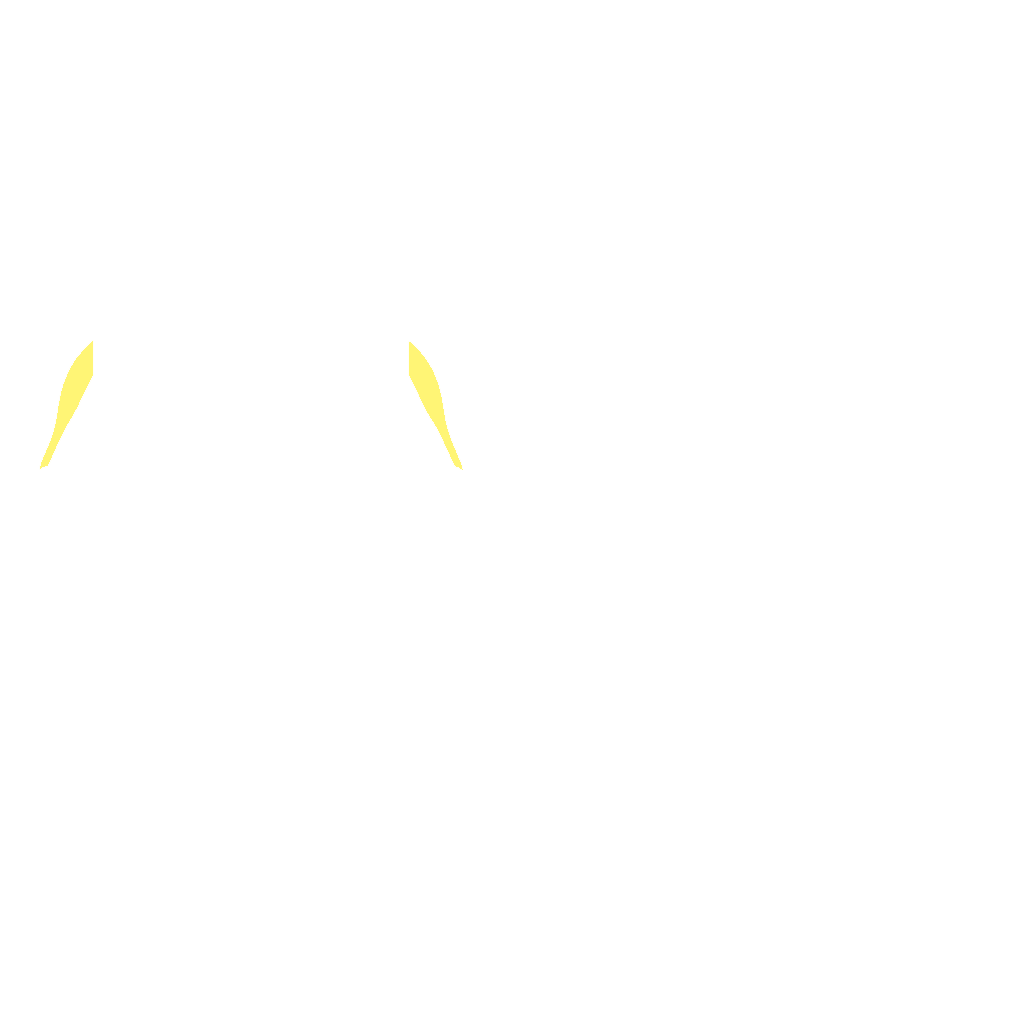
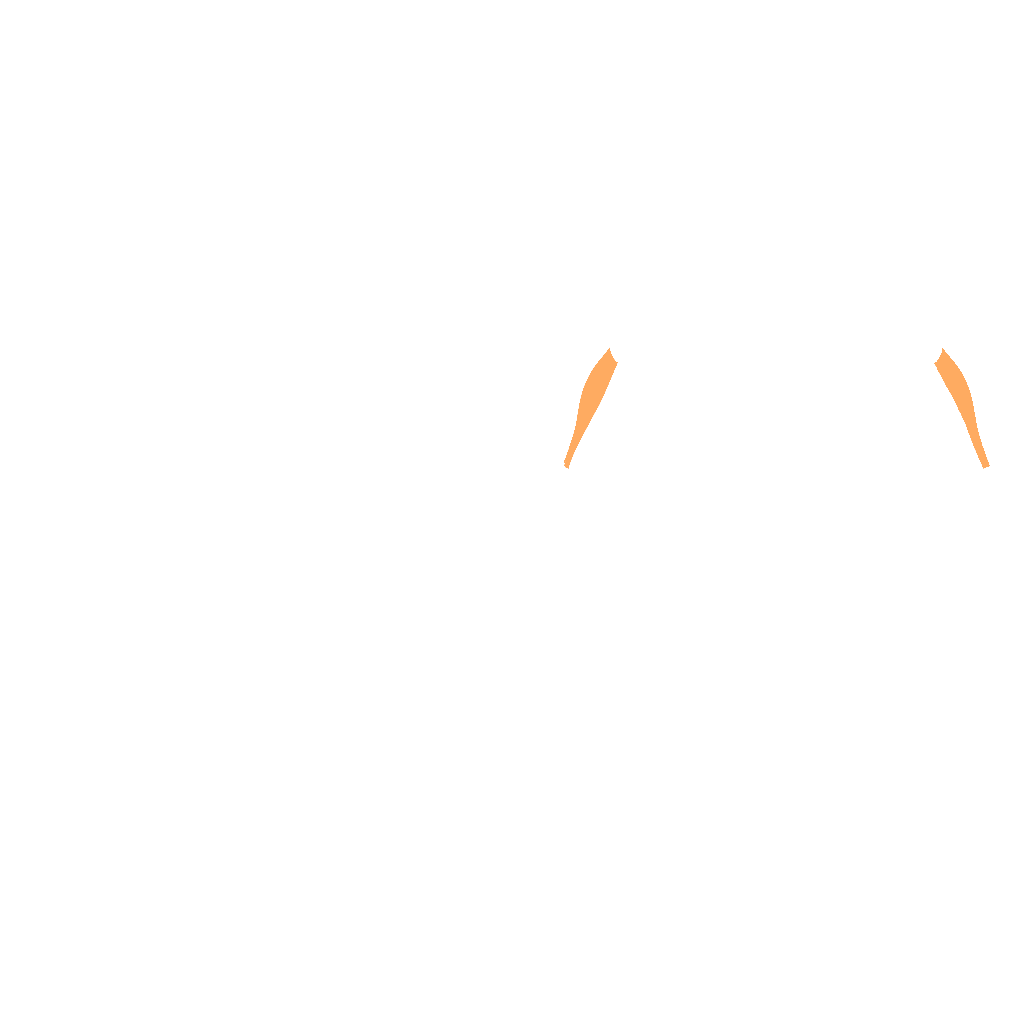


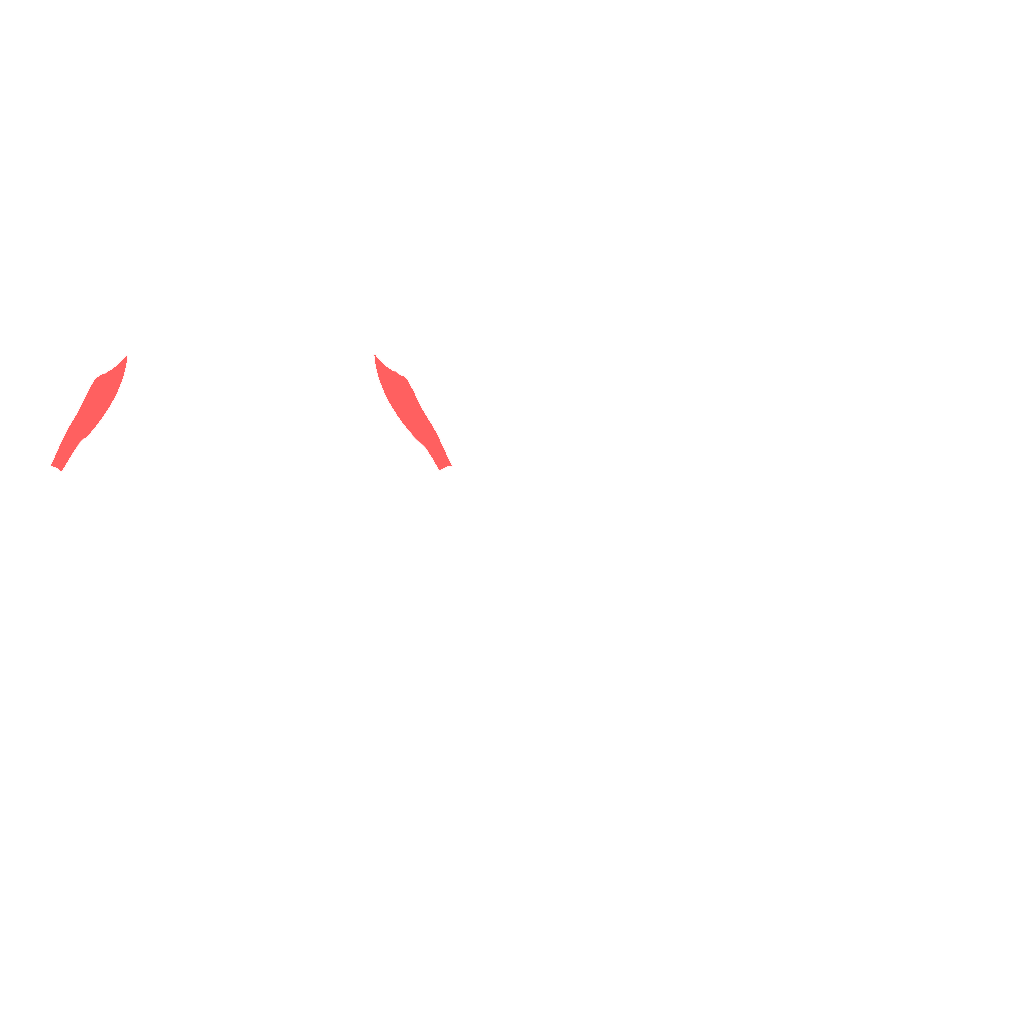
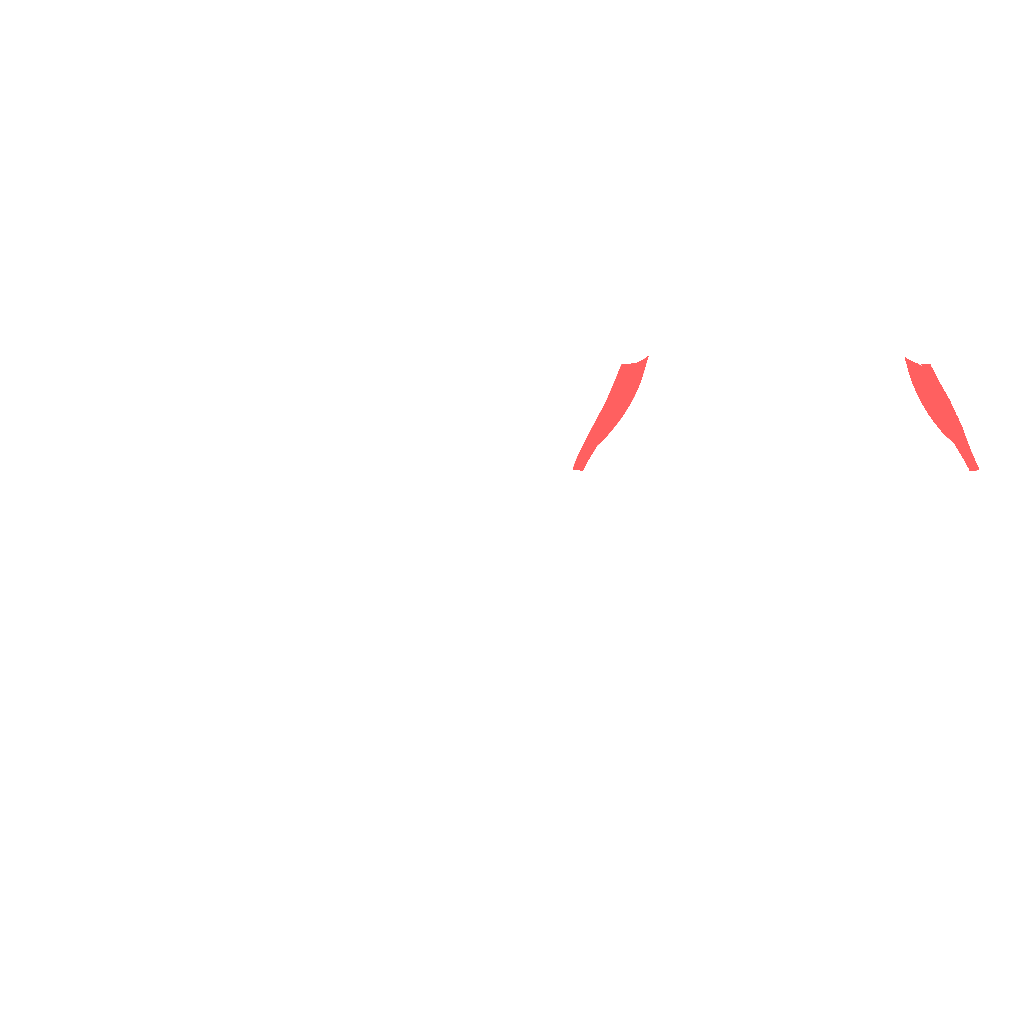
- Target
- Brachioradialis
- Secondary
- Extensors, Biceps Brachii Long Head, Biceps Brachii Short Head
- Tertiary
- Extensor Carpi Ulnaris
How to do it
- 1
Attach a straight bar to the lowest pulley on a cable stack.
- 2
Stand facing the stack and take a shoulder-width overhand grip on the bar.
- 3
Step back so the cable stays taut with your arms hanging straight.
- 4
Keep your elbows tucked to your sides and your wrists firm and straight.
- 5
Curl the bar up toward your shoulders without letting your wrists collapse.
- 6
Lower slowly against the cable to full arm extension and repeat.
Tips
- Expect to use less than a standard cable curl. The overhand grip is much weaker.
- Keep the wrists neutral, not bent under, so the extensors stay engaged and safe.
- Let the cable pull your arms fully straight each rep for a complete range.
- Drive with the elbows and keep the upper arms motionless the whole set.
Variations
Common mistakes
- Clipping on the rope you use for pushdowns, which lets the hands rotate toward each other. The moment the palms turn in, this stops being a reverse curl; use a straight bar.
- Letting the bar tilt on its swivel as one side tires, so one hand finishes higher than the other. Keep the bar square across your body and level at the top.
- Standing square with the feet level, so the cable's forward pull tips you toward the stack on every rep. A short split stance gives you something to pull against.
- Grinding out reps that die halfway up. End the set on the last rep that reaches the top, and add another set rather than another half-rep.
Frequently asked
- How many sets and reps of the cable reverse curl should a beginner do?
- Three sets of 12 to 15 at the end of the session. Higher reps suit this one, because the cable keeps tension on all the way up and the forearm responds well to time under load. Pick a plate where rep 12 is hard but the bar still reaches the top; if the last reps stall halfway, take one plate off. Build to 15 across all three sets before moving the pin. Twice a week is fine.
- How do I do a reverse curl if there is no cable machine free?
- An EZ bar or a straight barbell with an overhand grip is the standard version and lets you load heavier. Dumbbells held palms-down let each wrist sit where it likes, which helps if a fixed bar bothers you. At home, stand on a band and grip it overhand; the tension curve is different, lightest at the bottom, but the muscles worked are the same.
- Is the cable reverse curl better than the barbell version?
- The cable holds tension through the top of the rep, where a barbell goes light, and it is friendlier on the wrists because the pull stays in line rather than locking both hands to a rigid bar. That makes it the better pick for higher reps and for grumpy elbows. The barbell wins when you want to load heavily and keep a clear record of what you lifted, and it is harder to cheat with a lean. Neither one builds the biceps; both are for the forearm and the outer arm.
Related exercises
Other movements among FitRay's 2,000+ exercises that load the same target muscle — same equipment and level first.
- BeginnerRope Hammer CurlCables · Biceps · Forearms
- BeginnerHammer CurlDumbbell · Biceps · Forearms
- BeginnerDumbbell Reverse CurlDumbbell · Biceps · Forearms
- BeginnerBand Hammer CurlBand · Biceps · Forearms
- BeginnerBand Reverse CurlBand · Biceps · Forearms
- BeginnerCross-Body Hammer CurlDumbbell · Biceps · Forearms