Band Wrist Extension
Lifting the back of the hand against band tension trains the wrist extensors directly, which is exactly the balance most gripping-heavy training misses. Because the band is light and packs anywhere, it makes an ideal prehab move for cranky elbows and desk-bound wrists. Do a set between other exercises or at the end of an arm day.
- Equipment
- Band
- Body part
- Forearms
- Type
- Strength
- Browse by muscle
- Extensors
- Browse by movement
- Wrist Extension


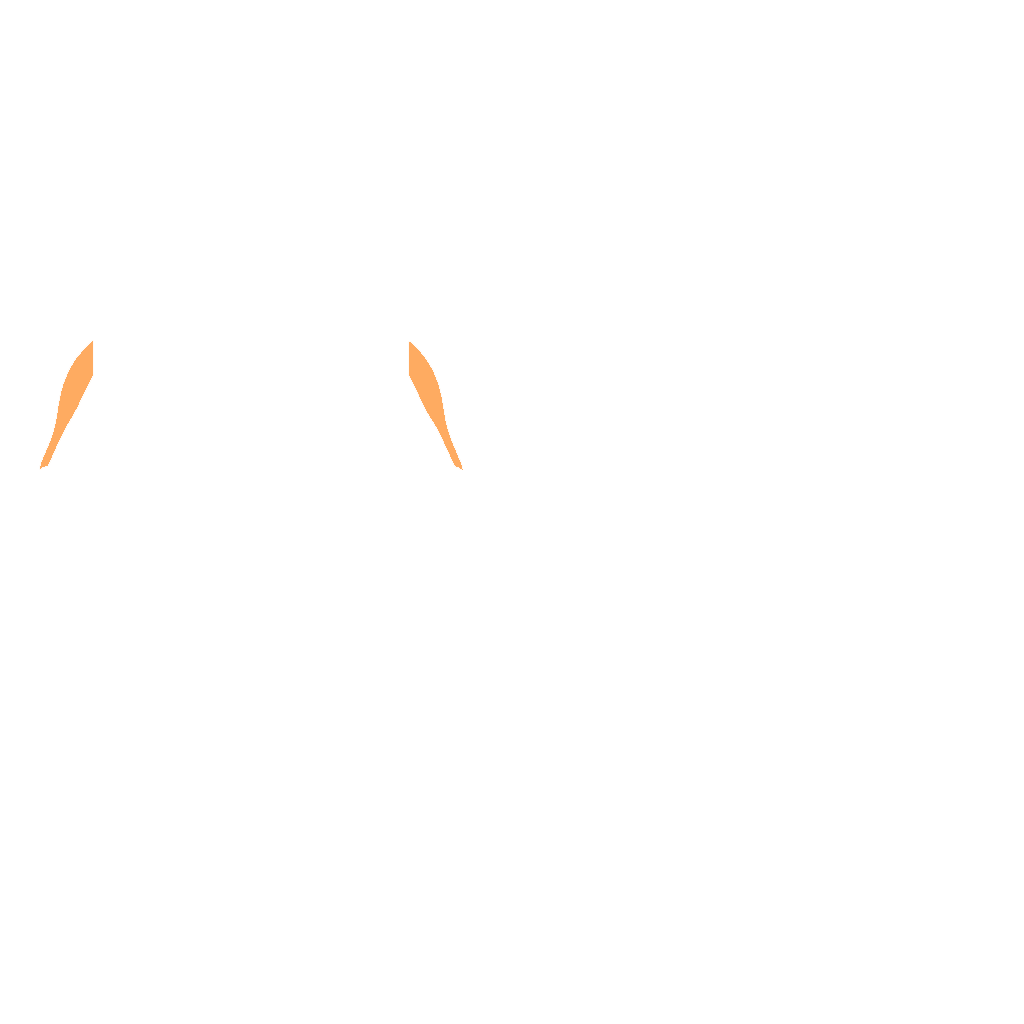
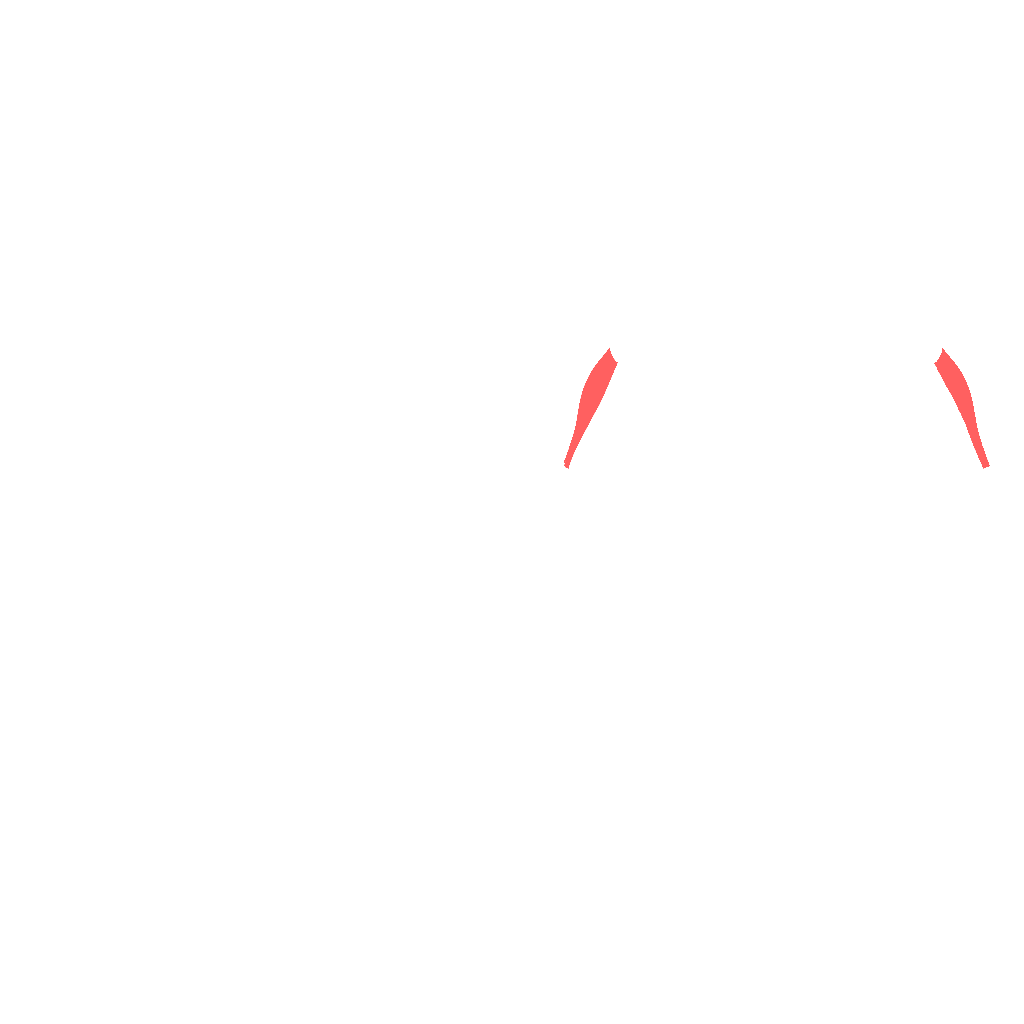
- Target
- Extensors
- Secondary
- Extensor Carpi Ulnaris
How to do it
- 1
Anchor a light band under your foot or a fixed point low to the ground.
- 2
Sit and rest your forearm on your thigh, palm facing down, wrist just past your knee.
- 3
Hold the other end of the band so it is taut with your knuckles pointing down.
- 4
Extend your wrist to lift the back of your hand against the band's pull.
- 5
Squeeze the top of the forearm at the top of the range.
- 6
Lower slowly back to the start and keep the forearm still throughout.
Tips
- Choose a light band. The extensors are small and respond to higher reps, not heavy load.
- Control the return so the band does not snap your wrist back down.
- Keep the forearm anchored so only the wrist moves.
- Aim for 15 to 25 clean reps and chase a mild burn rather than failure.
Variations
Common mistakes
- The band anchor sits out in front of the knee rather than below the hand, so the pull runs forward and the wrist ends up flapping against almost nothing.
- The hand grips the band tightly, which sets the finger flexors fighting the extensors you came to train. Hook the fingers over it and keep them loose.
- The elbow lifts off the thigh at the end of the set to squeeze out a few more, turning the last reps into a small reverse curl.
- Reps get counted while the knuckles rise only halfway. The top of the range, where the back of the hand comes in line with the forearm, is exactly where the extensors are weakest.
- Every set gets taken to failure because a band feels harmless. This is small-muscle work that responds better to stopping a couple of reps short and coming back tomorrow.
Frequently asked
- How often should I do the band wrist extension?
- Most days of the week is fine, because a light band leaves nothing to recover from. Two or three sets per hand, done between sets of something else or at a desk, add up faster than one hard session a week. Make it harder by pausing two seconds at the top, then by stepping further from the anchor, and only then by moving up a band. Adding endless reps is the least useful lever you have here.
- What can I use for wrist extension if I have no band?
- A light dumbbell over the thigh, palm down, gives you a load you can measure, which a band never does. A cable at a low pulley holds tension at the top of the range in much the same way. A plate held palm-down by the rim is the cheapest gym version. With nothing at all, press the back of the hand up into the underside of a table and hold, which works the same muscles without moving the joint.
- What is the band wrist extension for?
- Almost everything in a gym asks the hand to close, and this loads the muscles on top of the forearm that do the opposite, so it is balance work for people who grip hard: lifters, climbers, and anyone at a keyboard all day. A band is the practical choice because it packs anywhere and stays light. It is a poor tool for building size or maximum strength, since even a heavy band is light next to a dumbbell, and pain on the outside of the elbow that has lasted weeks needs assessing rather than more sets.
Related exercises
Other movements among FitRay's 2,000+ exercises that load the same target muscle — same equipment and level first.
- BeginnerSeated Barbell Reverse Wrist CurlBarbell · Bench · Forearms
- BeginnerCable Reverse Wrist CurlBench · Cables · Forearms
- BeginnerDumbbell Reverse Wrist CurlBench · Dumbbell · Forearms
- BeginnerPlate Reverse Wrist CurlPlate · Forearms
- BeginnerSeated Dumbbell Wrist ExtensionDumbbell · Forearms
- IntermediateReverse Wrist RollerPlate · Wrist Roller · Forearms