Seated Dumbbell Wrist Extension
Working one arm at a time with a dumbbell lets you feel the wrist extensors clearly and fix any left-to-right imbalance. The braced forearm removes momentum so the small extensor muscles do all the work. Use it as light, high-rep accessory work to balance grip and forearm training.
- Equipment
- Dumbbell
- Body part
- Forearms
- Type
- Strength
- Browse by muscle
- Extensors
- Browse by movement
- Wrist Extension




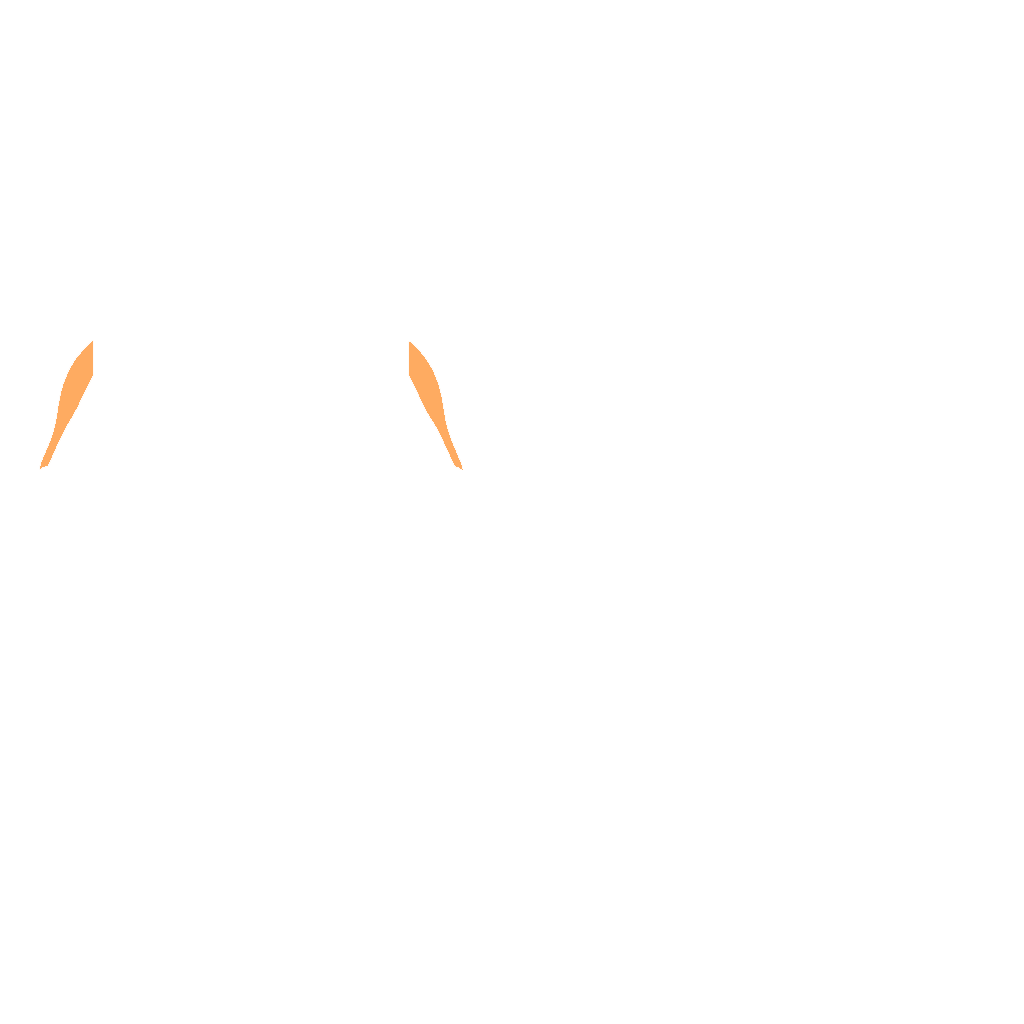
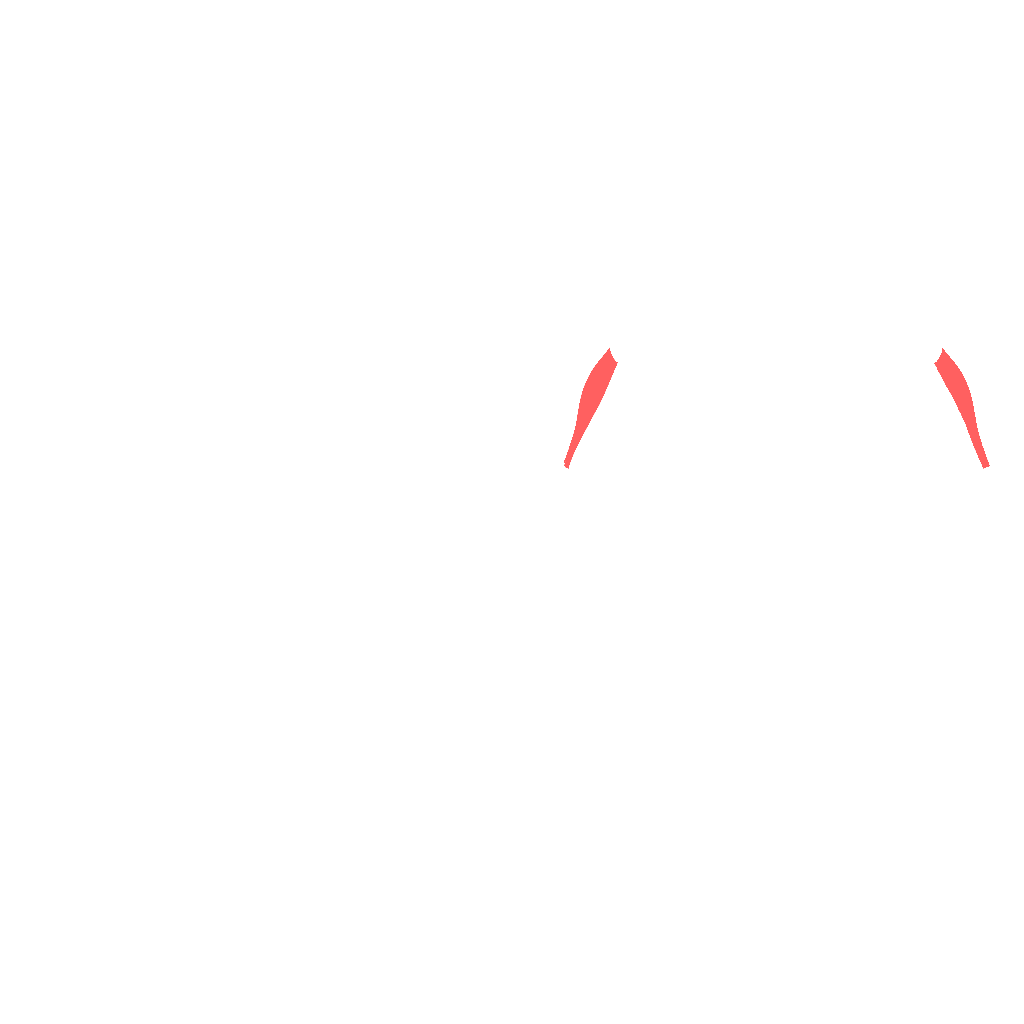
- Target
- Extensors
- Secondary
- Extensor Carpi Ulnaris
- Tertiary
- Brachioradialis
How to do it
- 1
Sit and lay one forearm along the thigh with the wrist just past the knee, palm down.
- 2
Hold a light dumbbell so it hangs below the back of the hand.
- 3
Let the wrist bend down into a full stretch under the dumbbell's weight.
- 4
Extend the wrist to lift the dumbbell, drawing the knuckles up toward the ceiling.
- 5
Hold the top for a beat, then lower slowly and under control.
- 6
Finish the set, then switch arms and repeat.
Tips
- Keep the working forearm pressed firmly into the thigh so only the wrist moves.
- Choose a weight you can control for at least twelve to fifteen clean reps.
- Match the reps and load on both arms to keep the forearms even.
Variations
Common mistakes
- The working forearm rolls outward on the thigh as the set goes on, so the thumb creeps upward and the movement drifts toward a hammer position.
- The free hand starts steadying the dumbbell for the last few reps, which is the point at which the set has already ended.
- At the bottom the hand is allowed to flop open under the weight, and the yank at the end of the stretch lands on the tendons at the outside of the elbow rather than on muscle.
- The lightest dumbbell on the rack is often still more than one wrist can lift with the knuckles alone. If the back of the hand cannot rise past level, use a plate or a band.
Frequently asked
- How much weight should I use for the seated dumbbell wrist extension?
- Less than you expect: 5 pounds a hand is a normal starting point, and 10 or 12 is a lot after months of steady work. Two or three sets of 12 to 15 per arm at the end of a session. The load is right when the knuckles still rise fully on the last rep of the last set. Progress by holding the top for a second, then adding reps, then taking the smallest dumbbell jump available. Running both arms back to back keeps the second one from cooling off.
- What can replace the dumbbell in seated wrist extensions?
- A band under the foot is the closest home swap and keeps the pull on at the top of the range, where the dumbbell is at its easiest. A cable on the lowest pulley does the same in a gym. A plate held palm-down by the rim needs no rack at all. With nothing to hand, hook the fingers of your free hand over the back of the working hand and lift into that resistance for slow reps, setting the load yourself.
- Why do wrist extensions one arm at a time?
- A bar lets a stronger wrist quietly carry a weaker one, and the extensors are small enough that a side-to-side difference can sit there for years unnoticed. Working alone also lets you press the forearm properly into the thigh so nothing above the wrist moves. It suits anyone doing a lot of gripping work who wants the top of the forearm to keep up. It is a poor choice when time is short, since a two-handed version trains both sides at once, and it will not add noticeable forearm size on its own.
Related exercises
Other movements among FitRay's 2,000+ exercises that load the same target muscle — same equipment and level first.
- BeginnerDumbbell Reverse Wrist CurlBench · Dumbbell · Forearms
- BeginnerSeated Barbell Reverse Wrist CurlBarbell · Bench · Forearms
- BeginnerBand Wrist ExtensionBand · Forearms
- BeginnerCable Reverse Wrist CurlBench · Cables · Forearms
- BeginnerPlate Reverse Wrist CurlPlate · Forearms
- IntermediateReverse Wrist RollerPlate · Wrist Roller · Forearms