Duck-Under Walk
Imagining a low bar to slide beneath, you sink into one hip, travel sideways, and duck under to the other side, keeping the head low throughout. The move opens the adductors and hips through a full frontal-plane range while demanding ankle and knee control. It is a strong primer for lateral athletes and anyone building groin mobility.
- Equipment
- Body Weight
- Type
- Functional, Stretching
- Browse by muscle
- Adductor Magnus, Gluteus Maximus
- Browse by movement
- Squat




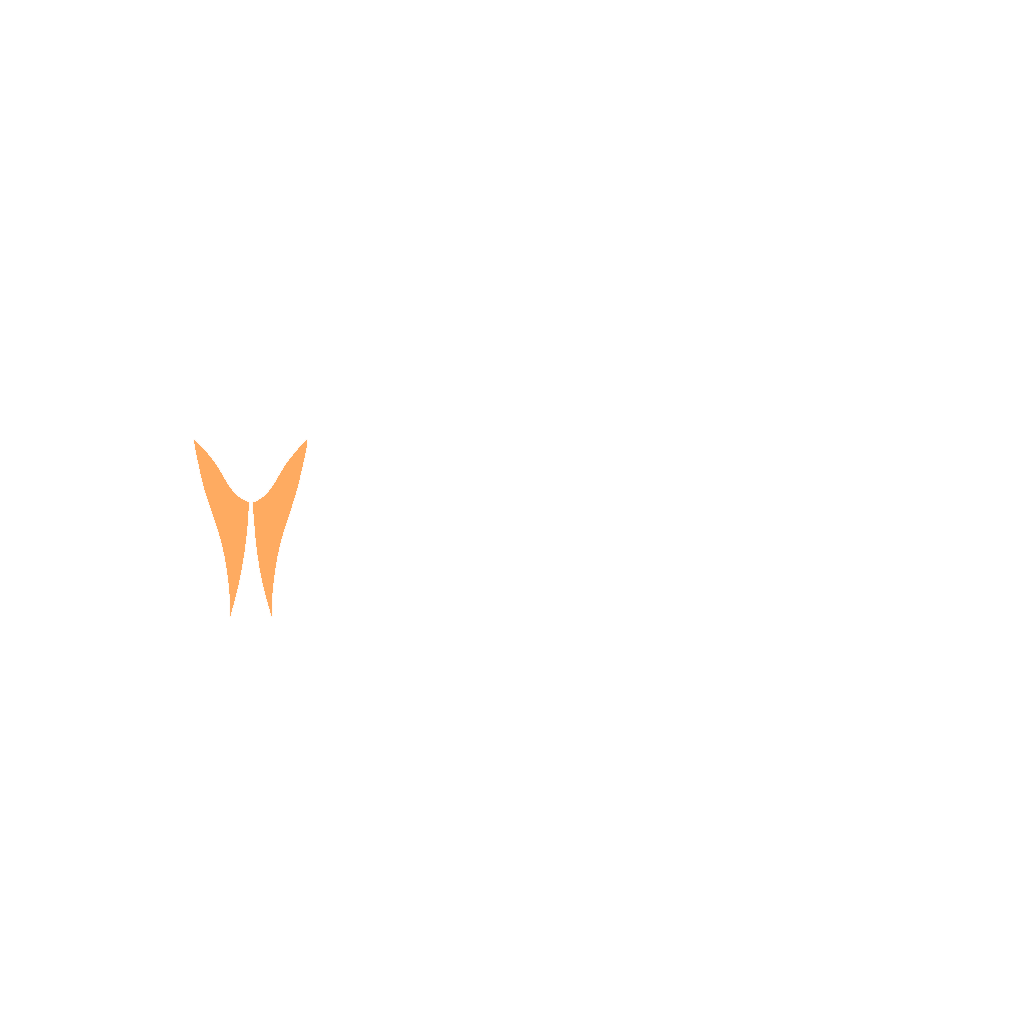

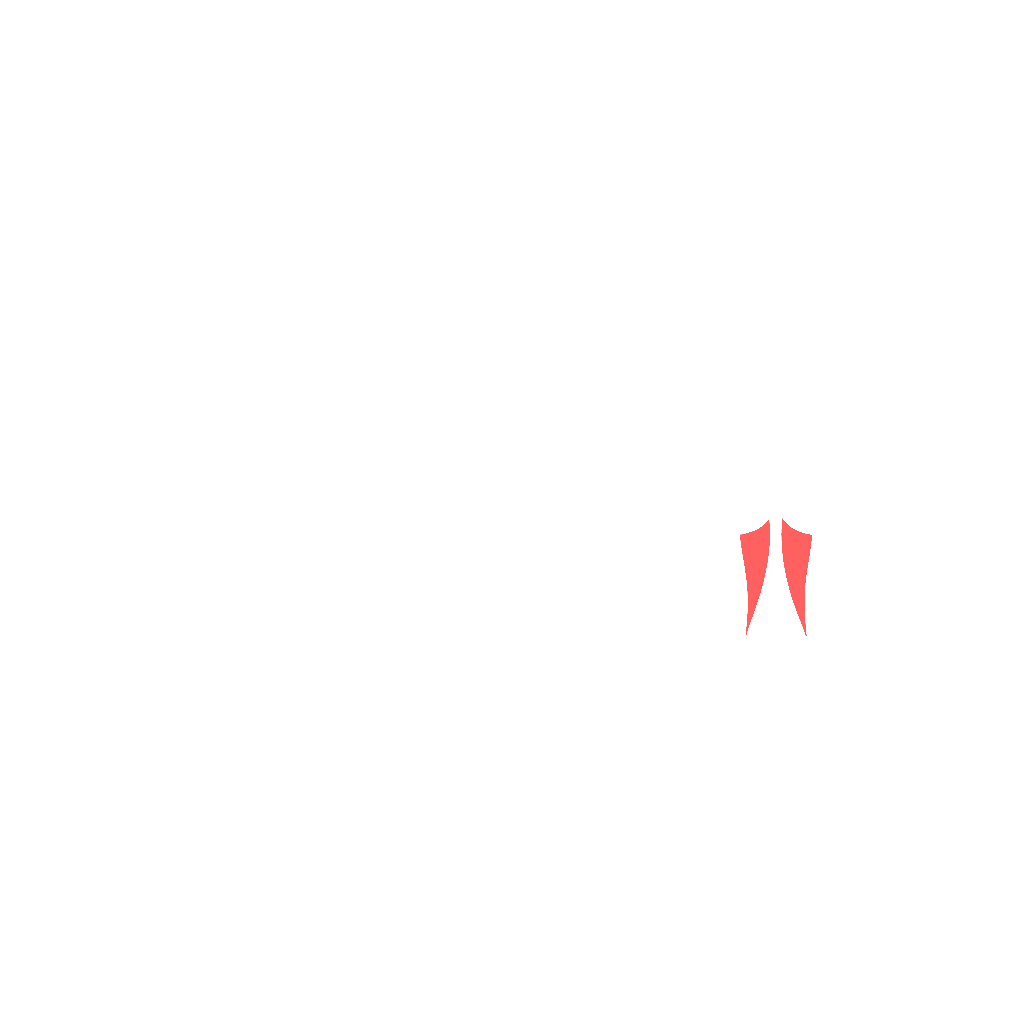

- Target
- Adductor Magnus, Gluteus Maximus
- Secondary
- Adductor Longus, Vastus Lateralis, Gluteus Medius
- Tertiary
- Soleus Gastrocnemius, Erector Spinae
How to do it
- 1
Stand with feet wide, toes slightly out, and hands at chest height.
- 2
Shift your weight into one leg and sit deep into that hip, straightening the other leg.
- 3
Stay low and slide across to the opposite side, ducking your head as if passing under a bar.
- 4
Sink into the other hip at the end of the shift, keeping both feet flat.
- 5
Continue shifting side to side without standing tall between reps.
- 6
Keep the chest up and the hips low through the whole path.
Tips
- Stay low the entire time so the hips keep working through range.
- Keep the trailing leg's foot flat and toes forward to load the groin.
- Move smoothly and avoid twisting the knee of the loaded leg.
- Push the working knee out to track over the foot.
Variations
Common mistakes
- A stance as wide as you can possibly manage makes the first crossing look impressive and the third impossible; set the feet wide enough to load the groin and no wider, so the hips can stay low for every pass.
- The chin tucks to the chest to clear the imaginary bar while the hips stay at the same height, so the duck happens in the neck and the groin never feels it.
- The path rises in the middle and is highest exactly where the stretch should be deepest; keep the hips tracking level from one side to the other.
- Arms swing across the body for momentum, which turns the torso and pulls your weight off the loaded hip at the moment it reaches its deepest point.
- Breath gets held for the whole crossing because the position is uncomfortable, so by the third pass you are working at the bottom of an empty chest; exhale as you slide across.
Frequently asked
- How many reps of the duck-under walk should you do when you are new to the exercise?
- Work in 20 to 30 seconds of continuous side-to-side travel, two or three times, with a minute of standing between, which comes out around four to six crossings each way. Let position set the number: when the hips stop staying low between sides, that set is over. Since it is preparation rather than training, there is little reason to go past three sets; add depth or a pause over each hip instead.
- How do you make the duck-under walk easier or harder?
- Easier: bring the feet in a few inches, travel a shorter distance, and run a hand along a rack upright as you pass. Setting a broomstick across a rack at chest height gives you something real to duck under, which stops you rising without having to think about it. Harder: lower that stick a notch, pause for two breaths over each hip before shifting, or take the hands behind the head so the torso cannot help you across.
- What is the duck-under walk good for, and when is it a poor choice?
- It moves the hips through their full side-to-side range under body weight while asking the ankles and knees for control, which suits lateral athletes and anyone building groin mobility before training. It is a poor choice while a groin strain is still tender, since the end position is exactly where it complains, and a poor choice for knees that object to staying in deep flexion. It also builds no strength: pair it with loaded Cossack squats or lateral lunges if that is the goal.
Related exercises
Other movements among FitRay's 2,000+ exercises that load the same target muscle — same equipment and level first.
- IntermediateBurpeeBody Weight · Chest · Quads
- IntermediateVertical JumpBody Weight · Glutes · Quads
- Intermediate180-Degree JumpBody Weight · Glutes · Quads
- IntermediateBackward Broad JumpBody Weight · Glutes · Hamstring
- IntermediateBroad JumpBody Weight · Glutes · Quads
- IntermediateBurpee Broad JumpBody Weight · Glutes · Quads