Duck Walk
The duck walk keeps you pinned in a full squat as you step forward, so the quads carry a long time under tension while the hips and ankles are pushed through a big range. It builds bottom-position strength and mobility that carries straight into squatting and sprinting, and it exposes any stiffness in the ankles or hips. Keep the distances short at first; staying deep and controlled is far harder than it looks.
- Equipment
- Body Weight
- Body part
- Quads
- Type
- Balance, Functional
- Browse by muscle
- Rectus Femoris, Vastus Lateralis
- Browse by movement
- Squat






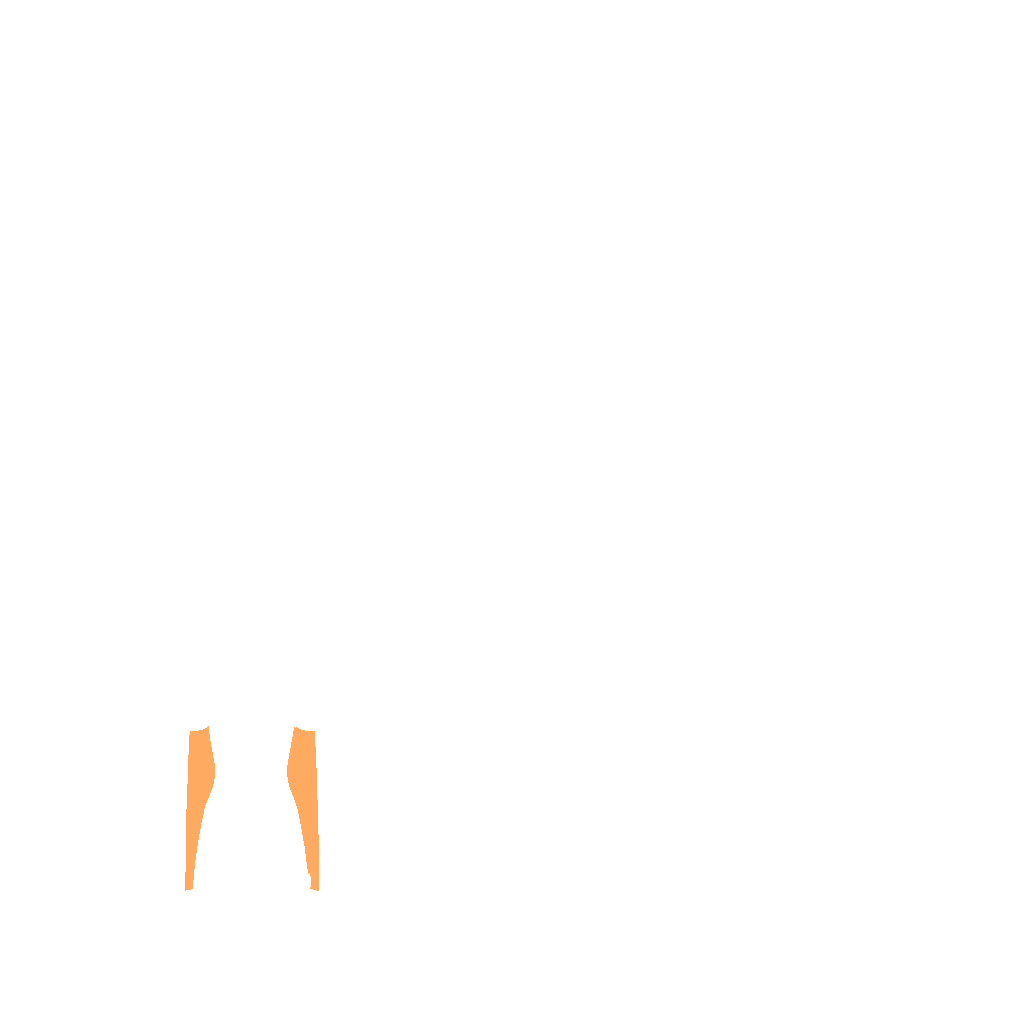


- Target
- Rectus Femoris, Vastus Lateralis
- Secondary
- Gluteus Maximus, Adductor Magnus, Soleus Gastrocnemius
- Tertiary
- Gluteus Medius, Erector Spinae
How to do it
- 1
Sink into a deep squat with the chest tall and the arms out in front for balance.
- 2
Keep the hips low and take a small step forward with one foot.
- 3
Bring the trailing foot up without letting the hips rise.
- 4
Continue walking forward, staying in the bottom of the squat the whole way.
- 5
Keep the heels down and the spine long as you travel.
- 6
Cover a short distance, stand and reset, then repeat.
Tips
- Keep the chest up so you do not tip forward onto the toes.
- Let the heels stay planted; rising onto the toes signals limited ankle mobility.
- Take short, controlled steps to keep the hips from bouncing up.
- Brace the trunk lightly to protect the lower back in the deep position.
Variations
Common mistakes
- The knee of the stepping leg drifts inward as it takes your weight, which loads the joint sideways in the exact position where it is already at its deepest bend.
- The pelvis tucks under at the bottom and the low back rounds, which is why some people finish this with a sore back rather than sore quads. Walk in a shallower squat until you can hold a neutral pelvis the whole way.
- Arms drop to the sides as you tire and your weight tips backward, so you end up sitting down halfway through instead of finishing the distance.
- Feet turn out further with every step until the knees and toes point in different directions. Keep the toes only slightly out and let the knees travel over them.
- Distance gets chosen before position does, so the last third of a long walk is a half-squat waddle that trains nothing. Pick a distance you can cover with the hips staying low.
Frequently asked
- How far should you duck walk when you are new to the exercise?
- Start with three or four walks of ten to fifteen steps, resting a minute between them, and judge each walk by position rather than count: the moment the hips rise, that walk is over. Ten yards is a reasonable first target for one continuous walk. Build by adding a walk, then by lengthening each one, and only then by holding a light weight at the chest. Two or three sessions a week is enough, since ankles and knees need time to adapt to the depth.
- How do I make the duck walk easier or harder?
- If the heels lift or you tip forward, put a small plate or a folded mat under the heels and take a wider stance; both let you keep the chest up while the ankles catch up. Holding a rack upright for balance also helps while you learn. To make it harder, clasp the hands behind the head, hold a light dumbbell at the chest, walk backward as well as forward, or slow each step so the quads spend longer under tension. Adding distance is the last progression, not the first.
- What is the duck walk good for, and when should you avoid it?
- It builds tolerance for the bottom of a squat: quad endurance, ankle dorsiflexion and hip depth, all of which carry into squatting and sprinting. As an accessory or a movement primer before leg work it earns its place. Avoid it if deep knee flexion is painful, or if you are working back from a knee or meniscus problem without clearance. It is also a poor fit immediately before heavy squats, because it fatigues the quads in exactly the position you need them freshest.
Related exercises
Other movements among FitRay's 2,000+ exercises that load the same target muscle — same equipment and level first.
- IntermediateBurpeeBody Weight · Chest · Quads
- IntermediateVertical JumpBody Weight · Glutes · Quads
- Intermediate180-Degree JumpBody Weight · Glutes · Quads
- IntermediateApe ReachBody Weight · Quads · Shoulder
- IntermediateAssisted Pistol SquatBody Weight · Glutes · Quads
- IntermediateAssisted Shrimp SquatBody Weight · Glutes · Quads