Dumbbell Second-Position Biceps Pulse
This barre move holds light dumbbells out to the sides at shoulder height in second position, then curls the hands toward the head and pulses through a short range. The biceps do the curling while the middle delts hold the arms aloft, creating a two-for-one shoulder and arm burn. It is a demanding, low-load finisher for arm endurance.
- Equipment
- Dumbbell
- Type
- Strength
- Browse by muscle
- Biceps Brachii Long Head, Biceps Brachii Short Head
- Browse by movement
- Elbow Flexion, Shoulder Raise


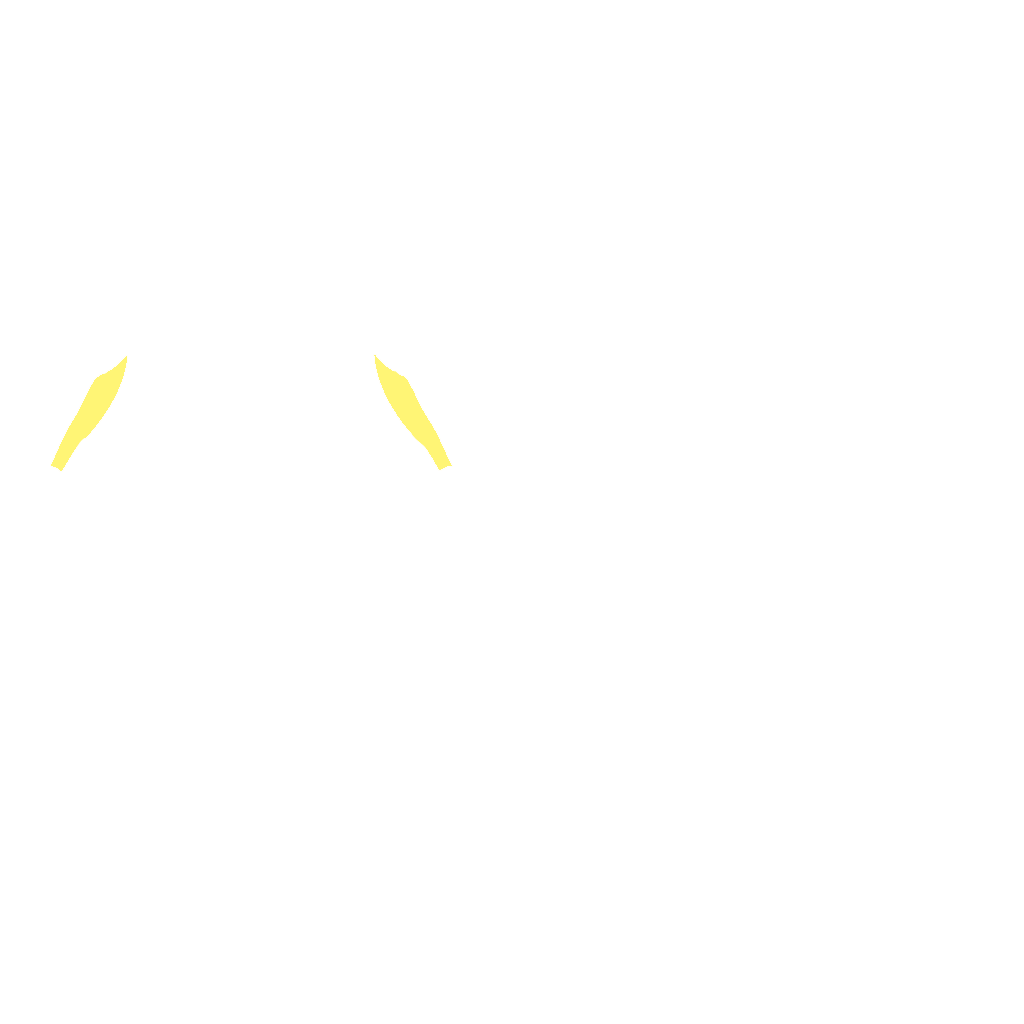
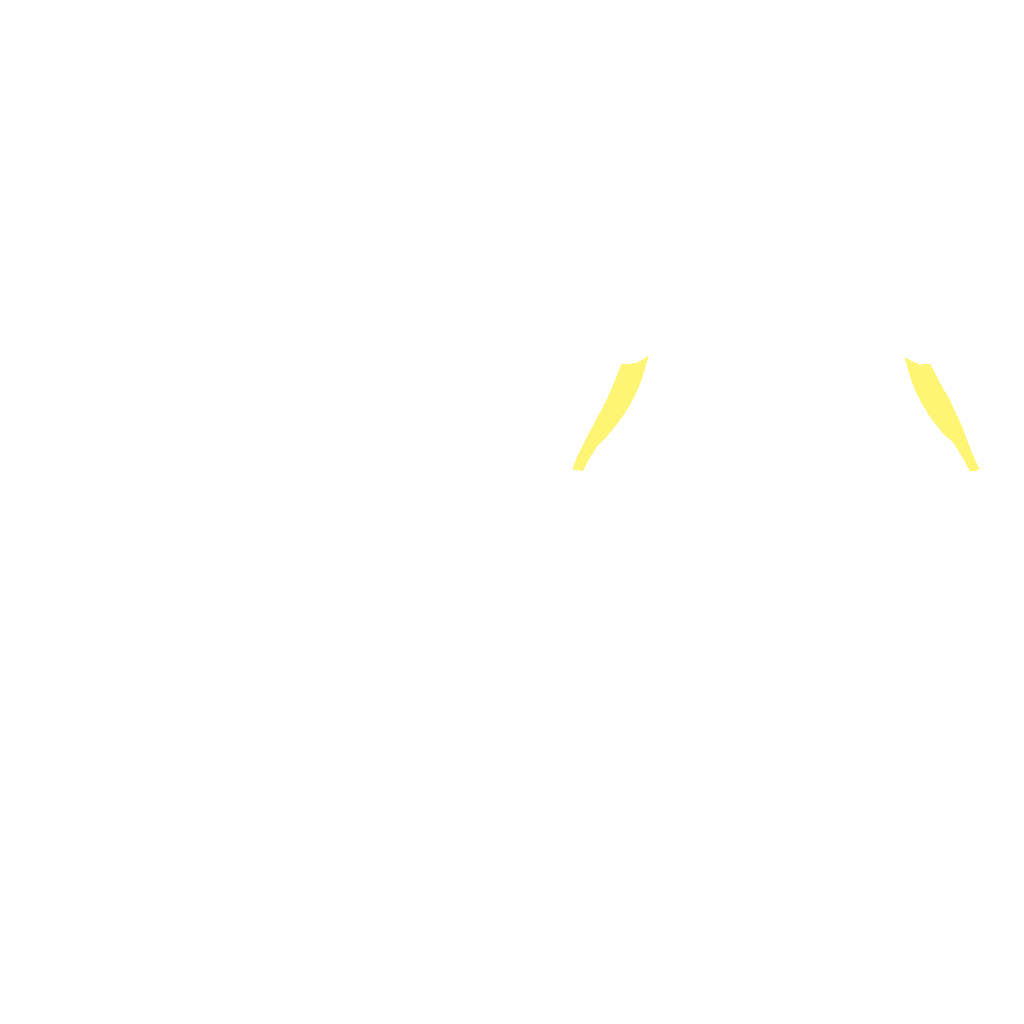
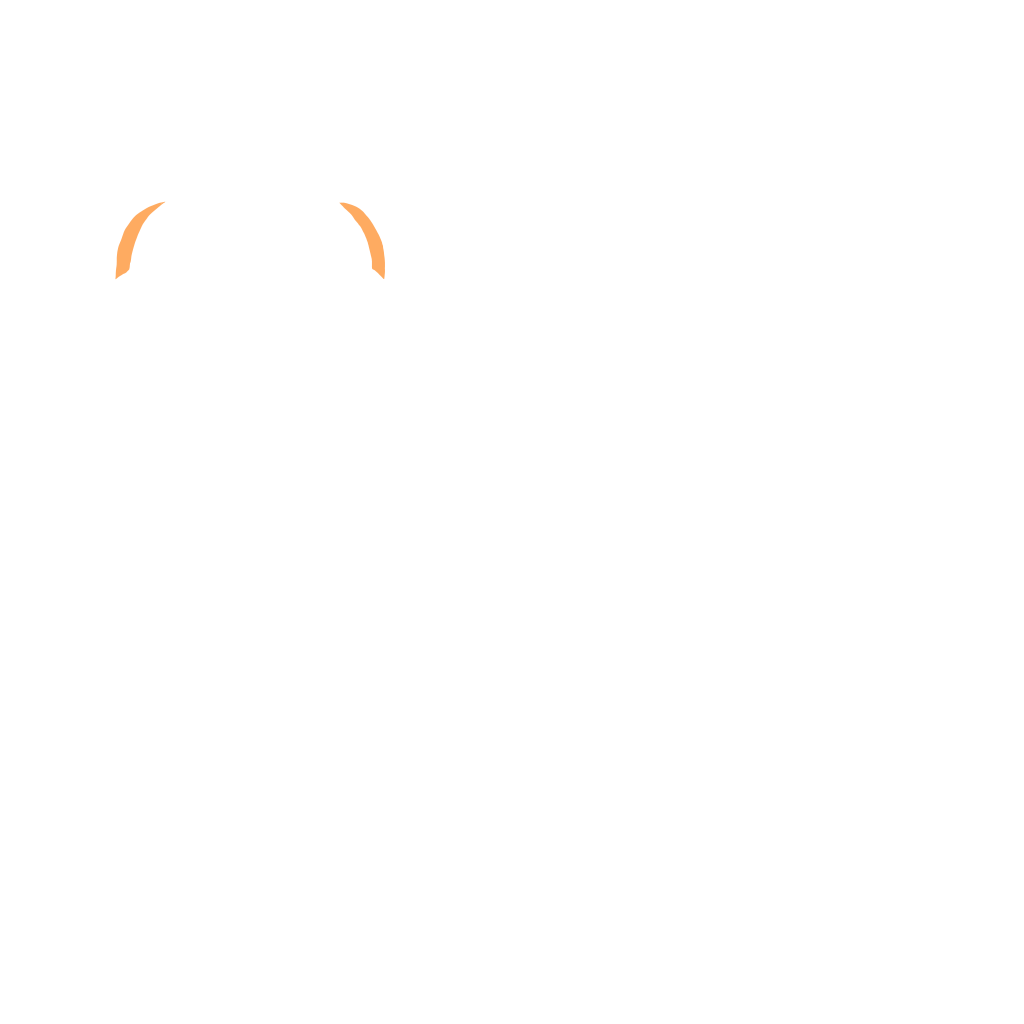
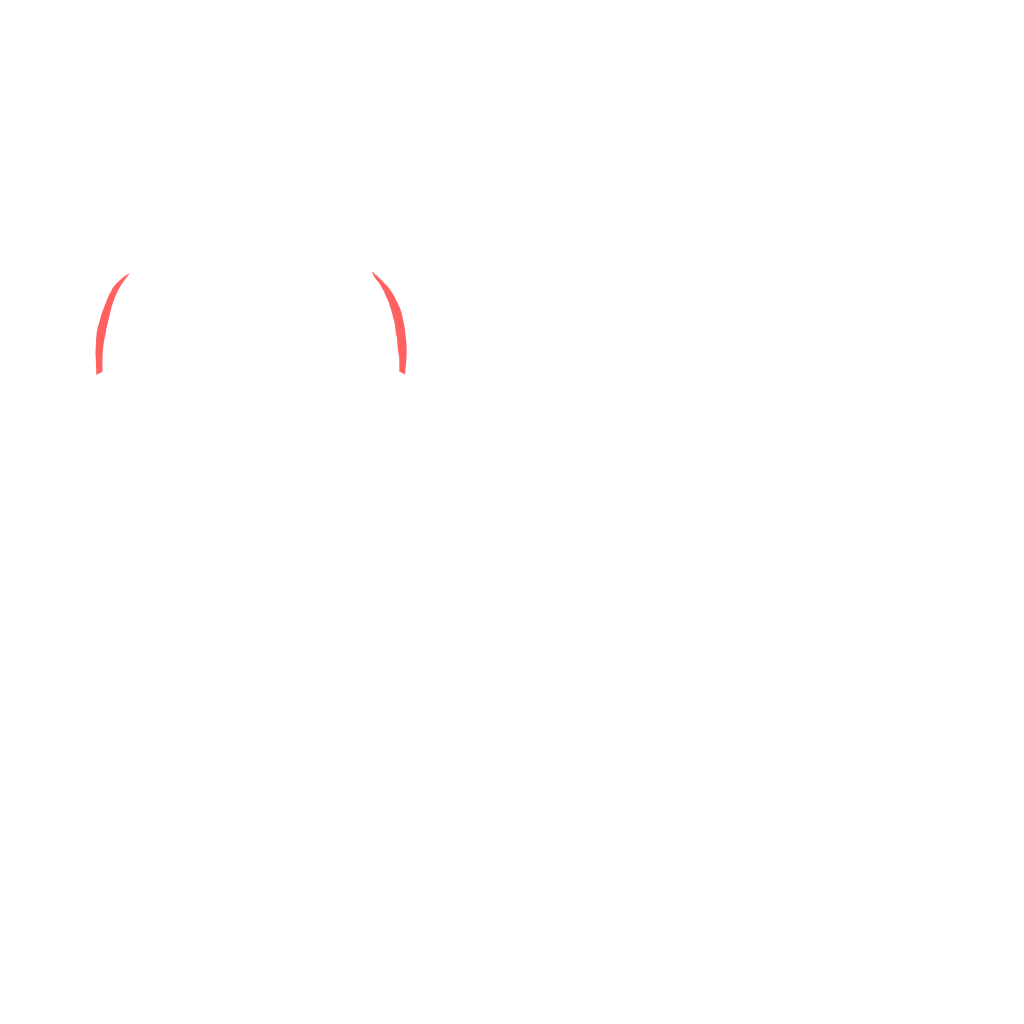

- Target
- Biceps Brachii Long Head, Biceps Brachii Short Head
- Secondary
- Deltoid Middle
- Tertiary
- Brachioradialis
How to do it
- 1
Stand tall and raise light dumbbells out to the sides to shoulder height, palms facing up.
- 2
Bend the elbows to curl the hands in toward the sides of your head.
- 3
Hold that height and pulse the hands toward and away from your head through a short range.
- 4
Keep the upper arms parallel to the floor and steady the whole time.
- 5
Press the shoulders down and keep the chest tall as the delts hold the position.
- 6
Continue for the prescribed reps or time, then lower under control.
Tips
- Do not let the upper arms drop; the delts must keep them at shoulder height throughout.
- Pulse only from the elbows so the biceps stay isolated.
- Keep the wrists straight and the movement smooth and small.
- Expect the shoulders to fatigue alongside the biceps; keep the weight very light.
Variations
Common mistakes
- As the pulses speed up, the hands swing in past the ears instead of stopping at the temples, turning a small pulse into a big curl.
- The wrists cock backward to help the curl, shifting strain into the wrist extensors instead of the biceps.
- The shoulder blades pinch together to help hoist the arms, recruiting the mid traps instead of leaving the delts isolated.
- Holding the breath through the pulse tightens the neck and traps, which masks true delt fatigue with tension.
- The chin pokes forward to meet the hands, rounding the upper back and shortening the true range of the curl.
Frequently asked
- How many sets and reps of the dumbbell second-position biceps pulse should a beginner do?
- Two sets of 15 to 20 controlled pulses with very light dumbbells is plenty to start, since the shoulders fatigue as fast as the biceps here. Once the arms stay locked at shoulder height for the whole set, add a third set before reaching for more weight.
- What can I use instead of dumbbells for the second-position biceps pulse?
- Small water bottles, soup cans, or a light resistance band anchored under your feet all supply enough resistance for this isolation move. If nothing is available, doing the same arm pattern empty-handed still trains the shoulder endurance, though the biceps get little work without added load.
- What does the second-position biceps pulse train and who should avoid it?
- It doubles as a biceps and side-delt endurance finisher, the kind of high-rep burn barre and dance-conditioning classes use rather than a strength builder. Skip it if you have irritated shoulder tendons, since holding the arms out at shoulder height for reps loads the same tissue that overhead work already stresses.
Related exercises
Other movements among FitRay's 2,000+ exercises that load the same target muscle — same equipment and level first.
- BeginnerHammer CurlDumbbell · Biceps · Forearms
- BeginnerAlternating Dumbbell CurlDumbbell · Biceps
- BeginnerConcentration CurlBench · Dumbbell · Biceps
- BeginnerCross-Body Hammer CurlDumbbell · Biceps · Forearms
- BeginnerDumbbell Biceps Curl PulseDumbbell · Biceps
- BeginnerDumbbell Curl to Overhead PressDumbbell · Biceps · Shoulder