Ear Pressure Pose
Karnapidasana deepens plow pose by bending the knees down toward the floor on either side of the head, producing one of the strongest spinal-flexion stretches in yoga. It loads the neck significantly, so it demands a warm, mobile spine and a healthy cervical region. Approach it slowly out of a supported shoulderstand or plow, never by force.
- Equipment
- Body Weight
- Type
- Balance, Stretching, Yoga
- Browse by muscle
- Erector Spinae






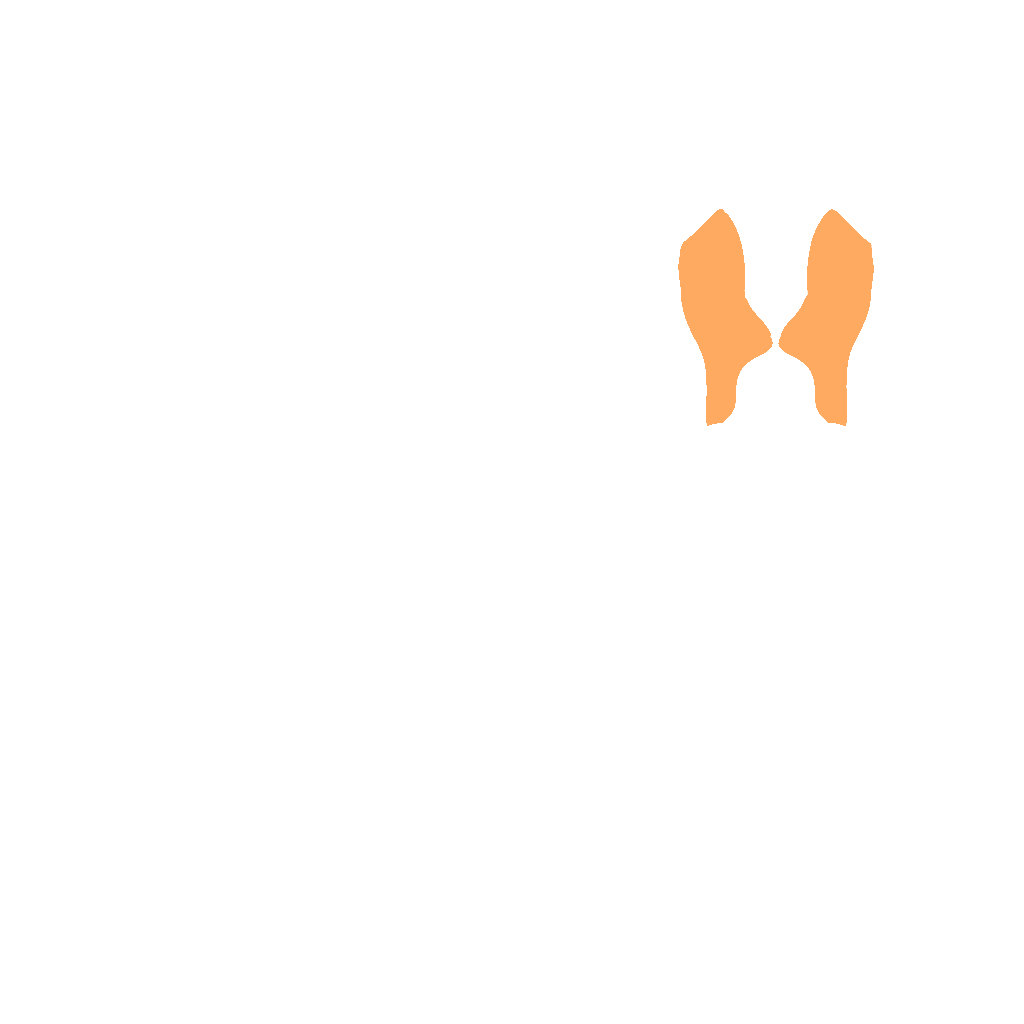

- Target
- Erector Spinae
- Secondary
- Trapezius Upper, Trapezius Lower, Latissimus Dorsi
- Tertiary
- Splenius
How to do it
- 1
From a shoulderstand or plow, make sure the shoulders bear the weight, not the neck.
- 2
Support the mid-back with the hands and keep the neck long on the mat.
- 3
Slowly bend the knees and lower them toward the floor beside the ears.
- 4
Let the knees rest lightly by the head only if the spine and neck stay comfortable.
- 5
Keep breathing smoothly and avoid pressing the head or turning it.
- 6
Hold for just a few breaths, staying attentive to any neck sensation.
- 7
Reverse the path back through plow and roll down one vertebra at a time.
Tips
- Safety first: keep the head still and centered, never rotate the neck while inverted.
- Place a folded blanket under the shoulders to protect the cervical spine.
- Avoid this pose with any neck issue, high blood pressure, or eye conditions, and come out at once if the neck strains.
Variations
Common mistakes
- The knees are lowered toward the floor while the hips are still behind the shoulders, so the spine rounds further instead of the knees travelling down as they should; bring the hips over the shoulders first.
- The hands leave the back to rest on the floor once the knees are down, and the mid-back sags, which moves load off the shoulders and onto the neck.
- The knees press in against the ears hard enough to squeeze, which is where the name of the pose misleads people; they rest beside the head, they do not clamp it.
- Breathing turns shallow because the thighs are against the ribs, and people wait out a minute or two anyway; if the breath cannot stay even, the hold is already too long.
- The exit becomes a straight-leg drop because that feels quicker, and the low back takes the whole weight; reverse back through plow and roll down one vertebra at a time.
Frequently asked
- How long should you hold Ear Pressure Pose, and what should you be solid in first?
- Three to five breaths, one round, and that is the whole dose; this is not a shape to extend as you get used to it. Before attempting it, you should be able to hold plow with the toes down for a minute with a folded blanket under the shoulders, and sit calmly in a supported shoulderstand. If the neck has anything to say in either of those, stay there. Once a week inside a full practice is plenty, and never first thing in a session.
- Is there an easier version of Ear Pressure Pose?
- Yes, and most people should stay with one. Keep the knees bent but stop them level with the head, holding the backs of the thighs with your hands so you control how far they go. Resting the knees on a bolster or a chair seat placed behind your head gives the shape with much less spinal flexion. Bringing the knees toward the forehead rather than to the floor is another step down. The harder version, with the arms wrapped around the backs of the knees, adds very little and costs the neck a good deal.
- What is Ear Pressure Pose good for, and who should avoid it?
- It produces about the strongest spinal flexion stretch in a standard yoga repertoire, lengthening the whole back line from the neck to the hamstrings, and it is used as a quieting shape near the end of a practice. The trade is real: a sustained stretch at the back of the neck with your bodyweight behind it. Avoid it with any neck problem or ongoing neck pain, with disc trouble, with high blood pressure or eye conditions, during pregnancy, or if inversions are off the table for you.
Related exercises
Other movements among FitRay's 2,000+ exercises that load the same target muscle — same equipment and level first.
- AdvancedPeacock PoseBody Weight · Back · Forearms
- AdvancedFull Frog PoseBody Weight · Back · Quads
- AdvancedFull Locust PoseBody Weight · Back · Glutes
- AdvancedHalf-Bound Lotus Seated Forward BendBody Weight · Back · Hamstring
- AdvancedHeadstandBody Weight · Abs · Shoulder
- AdvancedLittle Thunderbolt PoseBody Weight · Back · Quads