Fat-Grip Dead Hang
A fatter bar makes the fingers work in a weaker, more open position, so grip fatigues fast and the forearms get a much bigger stimulus than a standard hang. It is a favorite of grip specialists and hard to beat for building open-hand strength. Keep the shoulders active and stop before the hands fail completely.
- Equipment
- Pull-Up Bar
- Body part
- Forearms
- Type
- Strength
- Browse by muscle
- Brachioradialis


- Target
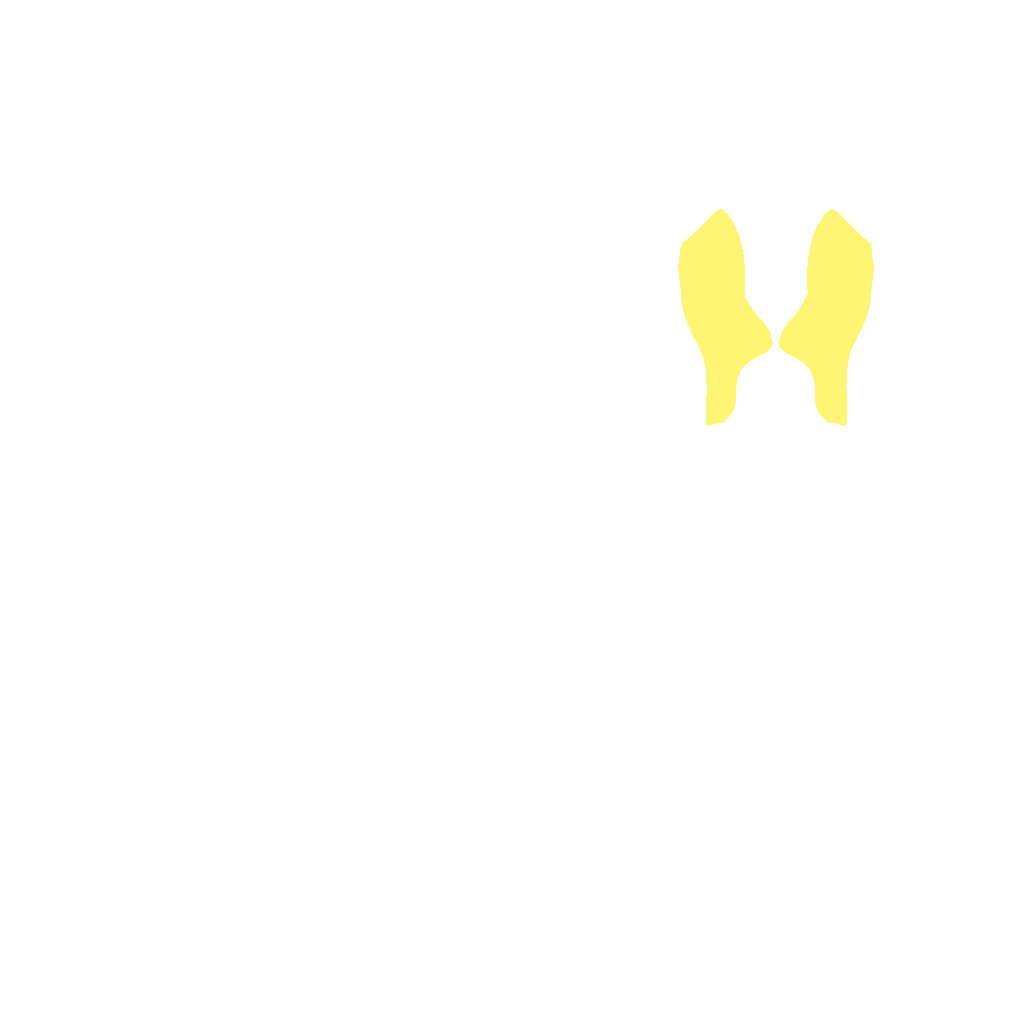
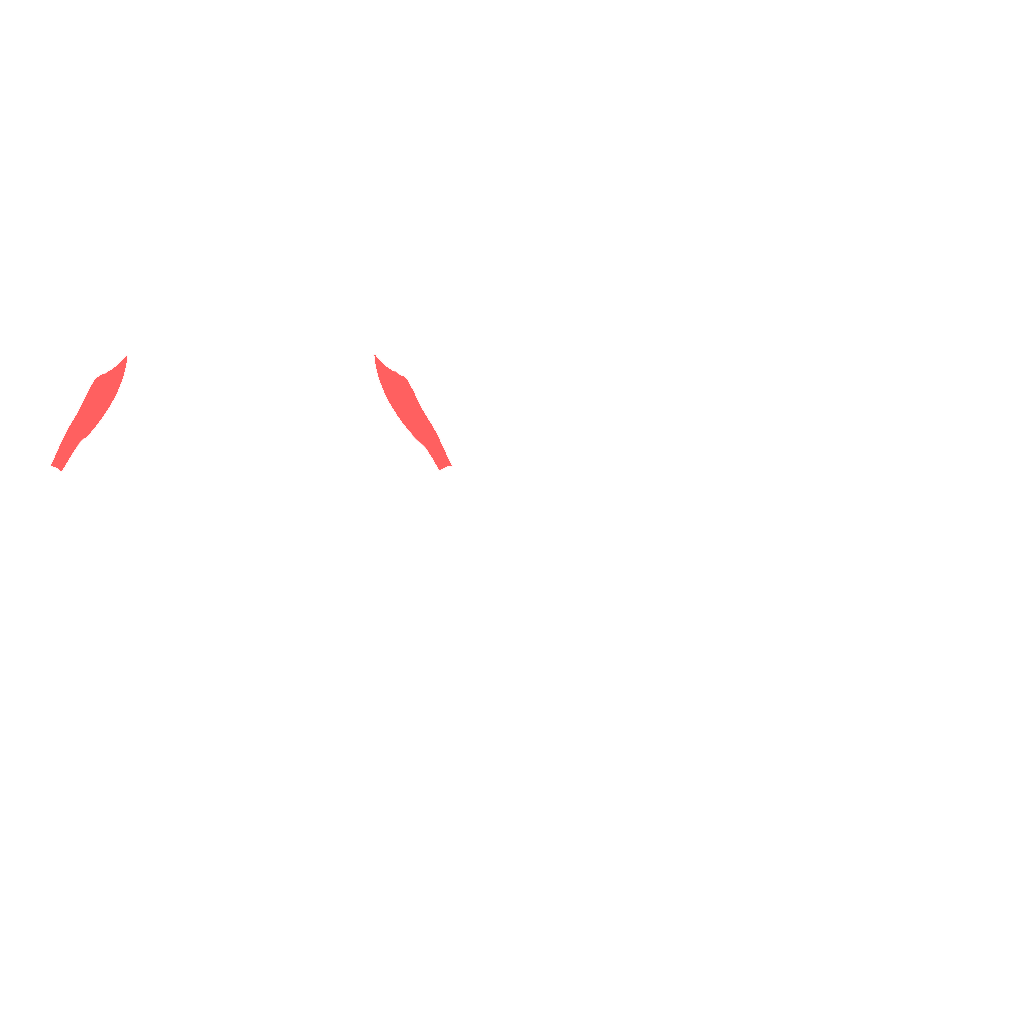
- Brachioradialis
- Secondary
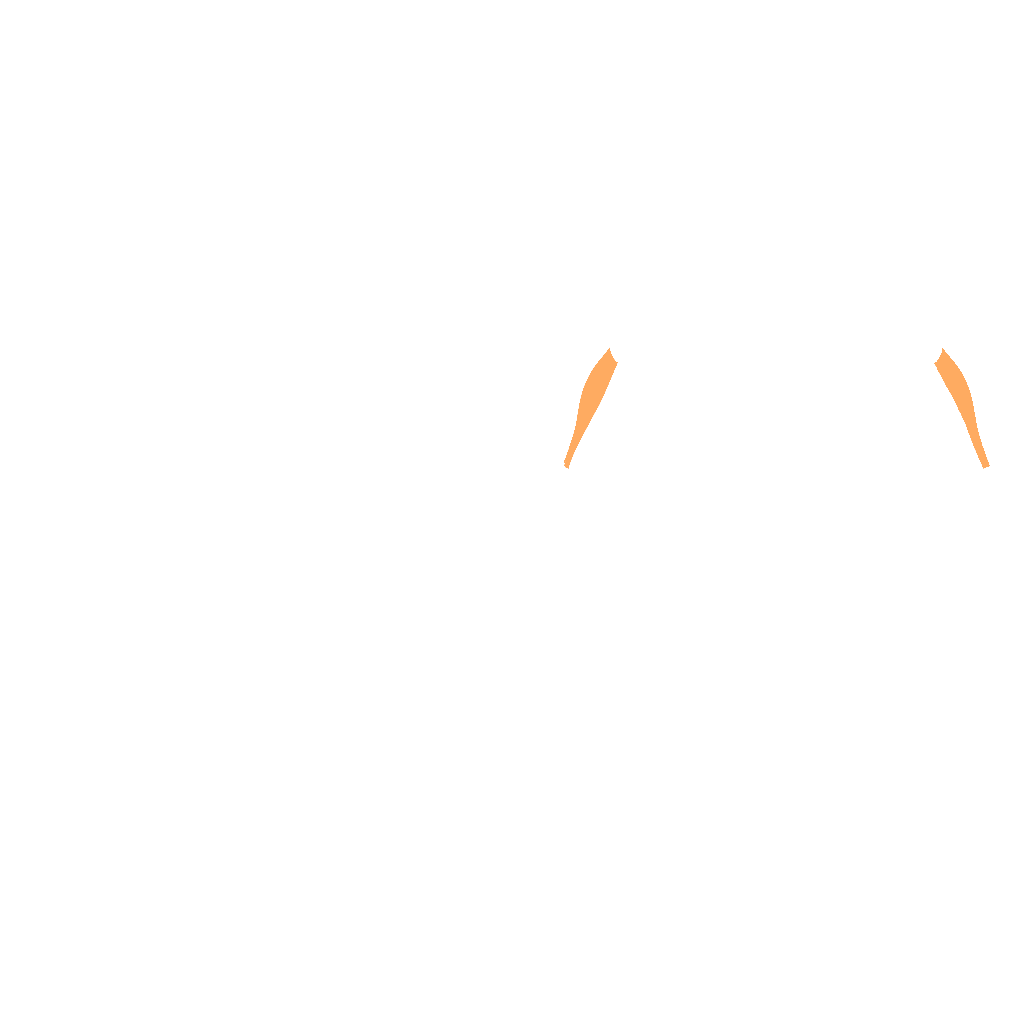
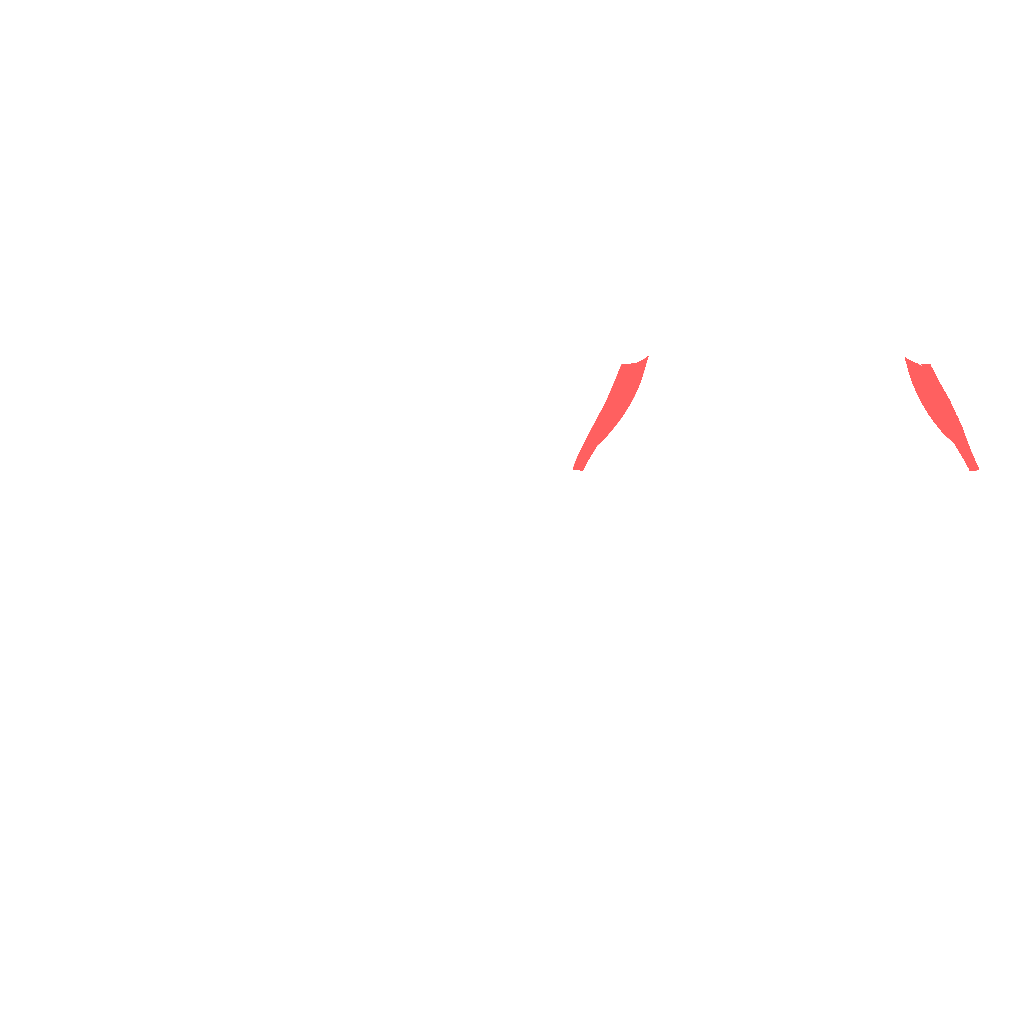
- Extensors
- Tertiary
- Latissimus Dorsi
How to do it
- 1
Wrap fat grips around a pull-up bar or find a thick bar to hang from.
- 2
Reach up and take a firm overhand grip with both hands.
- 3
Ease your feet off the support so your bodyweight loads the grip.
- 4
Keep the shoulders packed down rather than sagging into a dead hang.
- 5
Squeeze the thick bar hard and hold for time.
- 6
Step down under control before the grip fully gives out.
Tips
- Keep the shoulders active and away from the ears to protect the joints.
- The thicker the bar, the harder the hold; progress grip diameter gradually.
- Time your hangs and aim to add seconds each session.
Variations
Common mistakes
- Fat grips slide around the bar when they are not seated evenly, and a hand that suddenly rotates is a hand that comes off; press them on and check both before you load them.
- The thumb tries to meet the fingers around a bar it cannot reach around, and forcing that closure strains the thumb; hold a thick bar open-handed with the thumb alongside.
- Times from a standard bar get carried over as the target, and chasing them on a two-inch bar only ends in falling off; treat the thick-bar hang as its own number.
- Once the fingers start to uncurl, the hang ends in a slow slide down the grip that takes skin with it; step down at the first slip.
Frequently asked
- How long should a fat-grip dead hang be, and how often?
- Three or four hangs of 10 to 20 seconds, twice a week, placed after your pulling work rather than before it. Expect roughly half the time you manage on a bare bar, which is normal: a thicker bar keeps the hand open where it is weakest. Once you can hold 30 seconds on the grips you own, either move up a diameter or start adding a light vest, but not both in the same block.
- How do I make the fat-grip dead hang easier or harder?
- Diameter is the main dial. Coming down: a thinner sleeve, or wrapping one hand only and alternating which side gets the thick grip, with the toes resting on a box if you need more relief. Going up: add diameter before anything else, then hang one-armed on the thick bar or clip weight to a belt. A dusty or damp sleeve makes it harder in the wrong way, since that is a slip risk rather than a training effect, so wipe it down and use chalk.
- What is the fat-grip dead hang good for?
- It builds open-hand strength, which is what thick-handled strongman implements, climbing and gi grips demand, and it drives more forearm work than a standard bar at the same bodyweight. It is a poor choice if you cannot yet hold a bare bar for 30 seconds. If the inside of your elbow tends to ache after gripping work, keep the volume low here, because a thick bar raises the demand on the same tissue.
Related exercises
Other movements among FitRay's 2,000+ exercises that load the same target muscle — same equipment and level first.
- IntermediateSingle-Arm Dead HangPull-Up Bar · Forearms · Lats
- IntermediateThick-Bar Farmer's CarryDumbbell · Forearms · Traps
- IntermediateTrap-Bar CarryTrap Bar · Forearms · Traps
- IntermediateBarbell Static HoldBarbell · Forearms · Traps
- IntermediateBattle Rope Jumping JacksRope · Calves · Shoulder
- IntermediateBattle Rope WavesRope · Forearms · Shoulder