Kettlebell Hammer Curl
Holding a kettlebell by the handle keeps your wrist neutral like a hammer curl, biasing the brachioradialis and the brachialis that sits under the biceps. The bell's weight hangs below and forward of your grip, adding a wrist-stability demand that dumbbells do not. It builds thicker-looking forearms and upper arms and doubles as grip work.
- Equipment
- Kettlebells
- Type
- Strength
- Browse by muscle
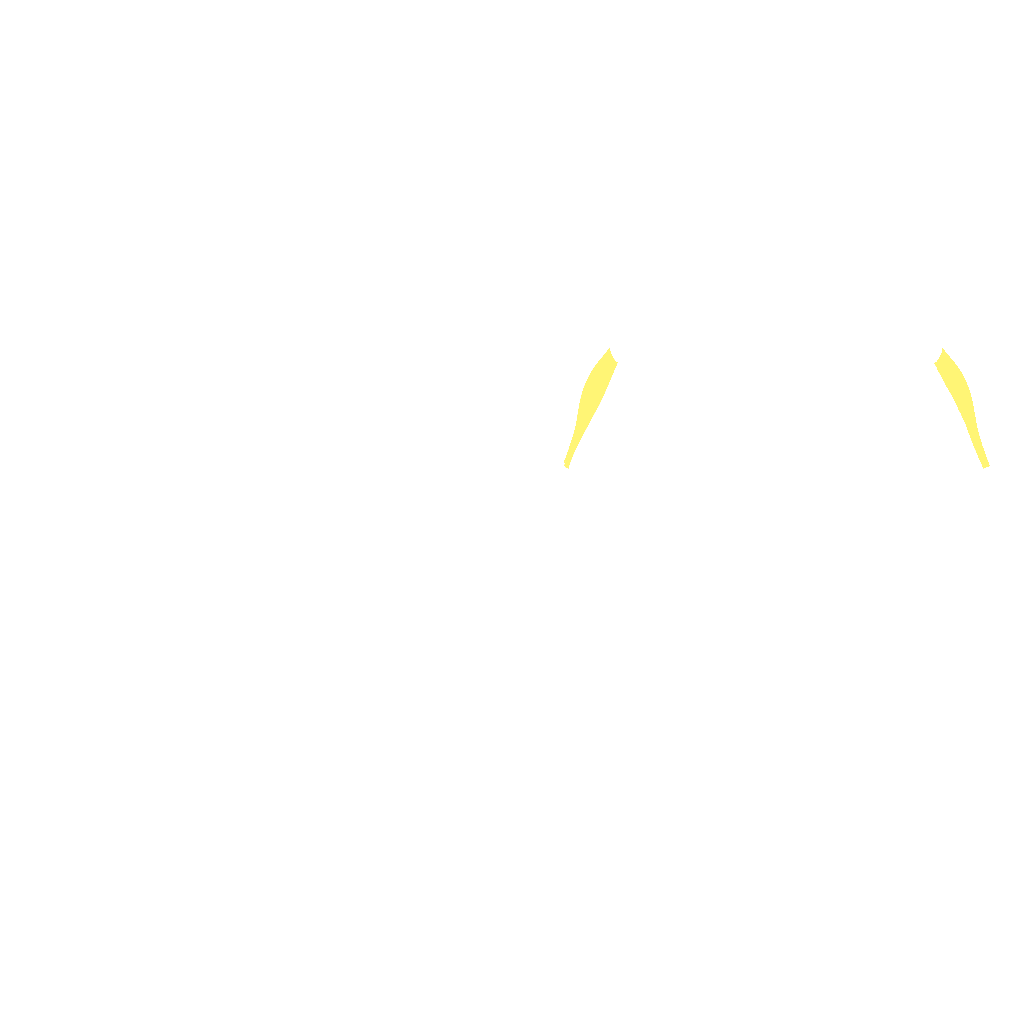
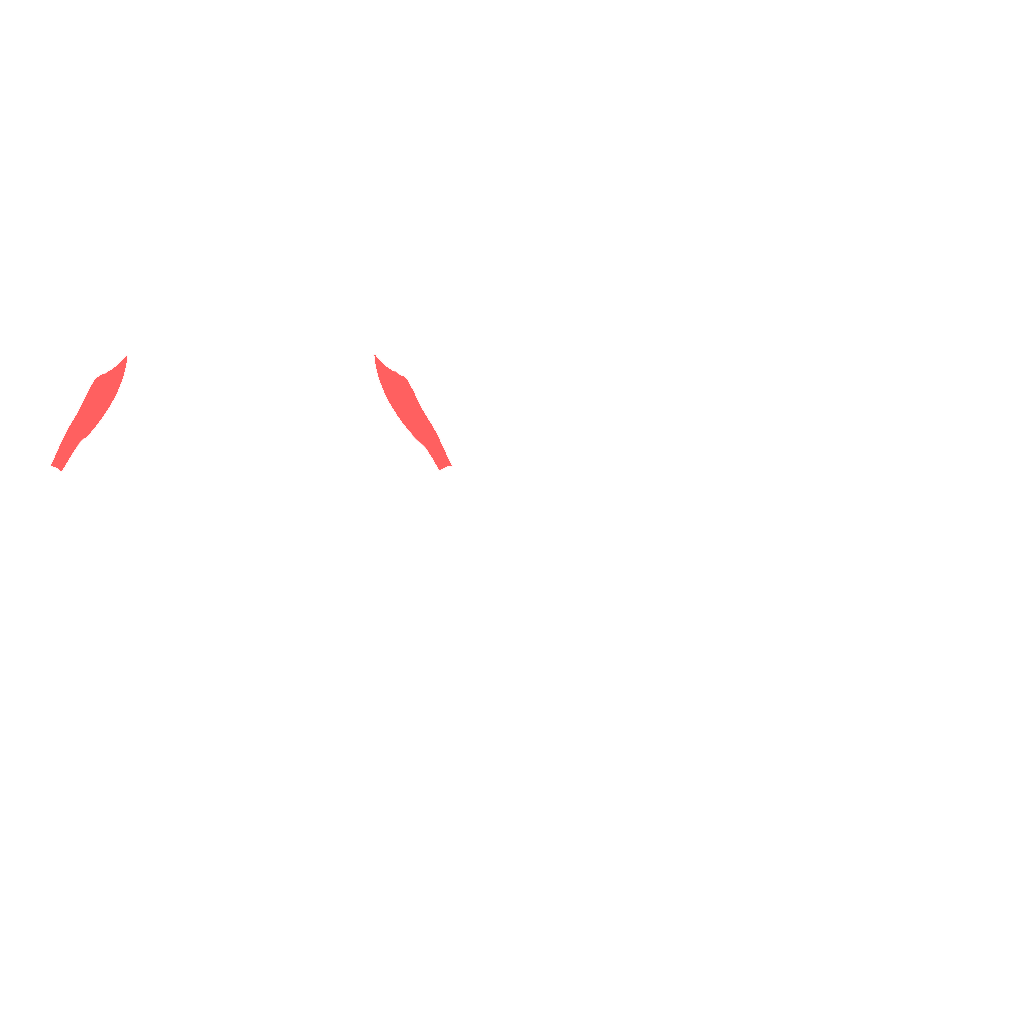
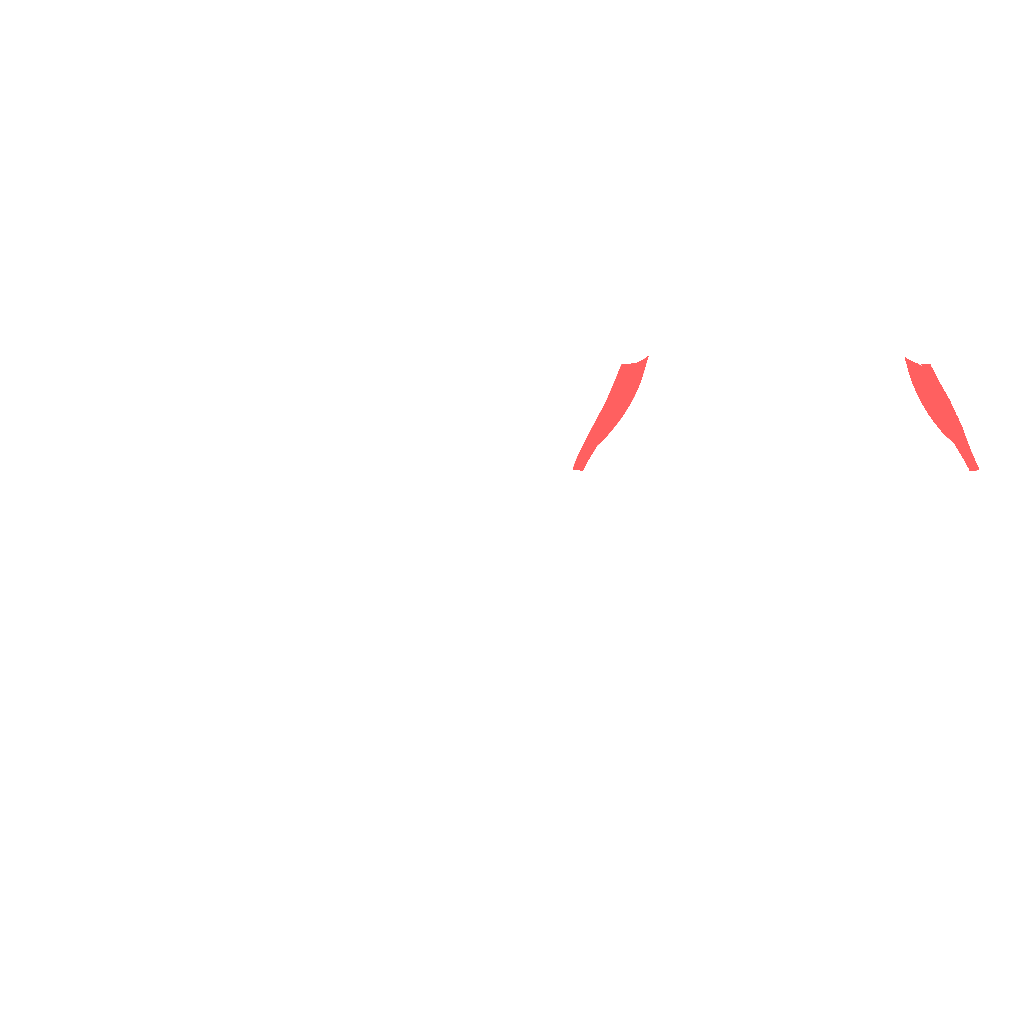
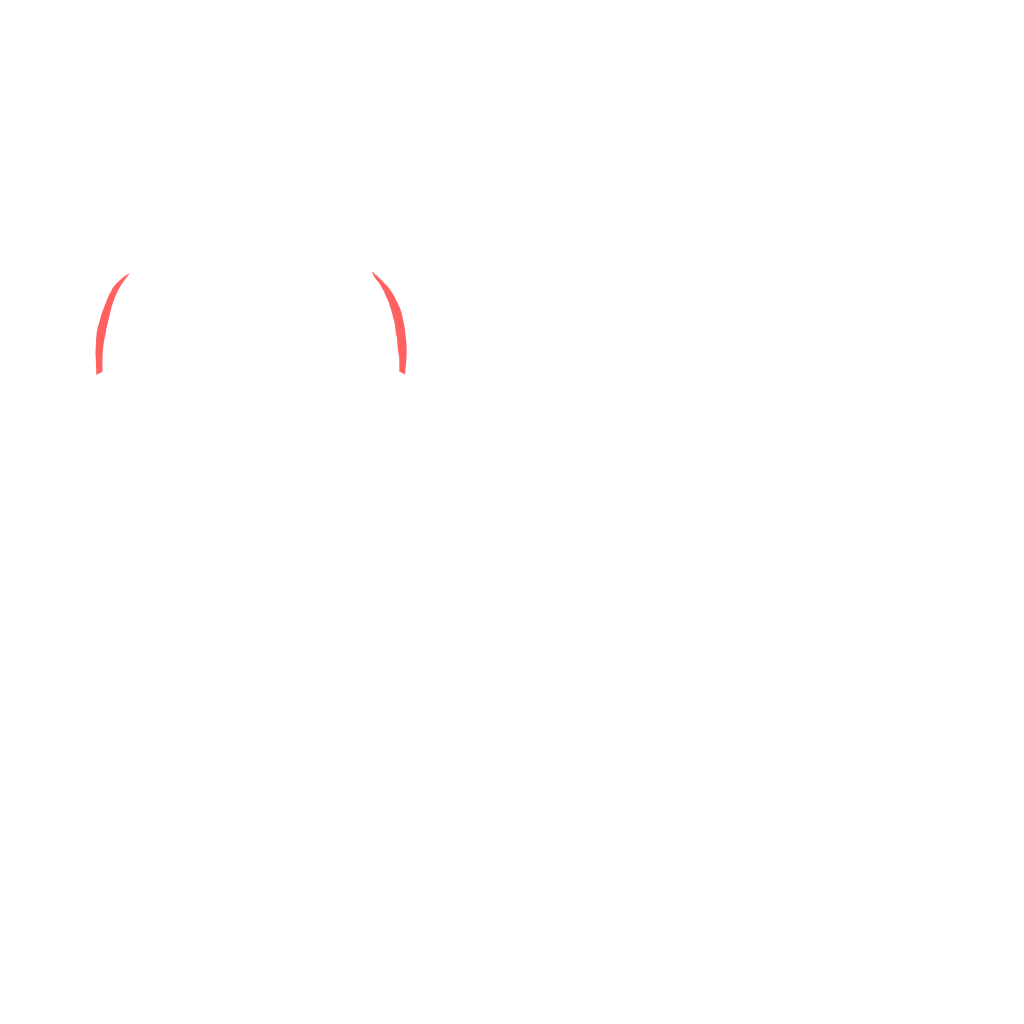
- Brachioradialis, Biceps Brachii Long Head, Biceps Brachii Short Head
- Browse by movement
- Elbow Flexion


- Target
- Brachioradialis, Biceps Brachii Long Head, Biceps Brachii Short Head
- Tertiary
- Extensors
How to do it
- 1
Stand tall holding a kettlebell in each hand with a neutral grip, thumbs forward.
- 2
Let the bells hang at your sides, the weight directly below your grip.
- 3
Curl the kettlebells up toward your shoulders without rotating your wrists.
- 4
Keep your elbows tucked to your sides and your upper arms still.
- 5
Squeeze at the top, then lower under control to full extension.
- 6
Fight the bells' tendency to pull your wrists forward throughout.
Tips
- Keep your wrists firm and neutral; do not let the bell tilt your grip.
- Avoid swinging; the offset load makes cheating tempting.
- Start light until you are used to the kettlebell's forward weight bias.
Variations
Common mistakes
- Letting the bell's offset mass fold the wrist backward at the top puts the strain into the wrist instead of the arm. Squeeze the handle and keep your knuckles in line with your forearm.
- Resting the bell on your forearm at the top and pausing there gives you a break the set was not meant to include. Hold the position with muscle, not with the bell propped on your arm.
- Reaching for the bells you swing with turns the last reps into a shoulder heave. Kettlebells step up in big jumps, so take the size down and add reps instead.
- Banging the bells into your thighs at the bottom stops the descent for you and rushes the next rep. Stand with your arms just clear of your legs and lower until the elbows are straight.
- Gripping the handle off to one side lets the bell tilt and twist your wrist mid-rep. Center your hand on the handle so the weight hangs straight below your grip.
Frequently asked
- How many sets and reps of the kettlebell hammer curl should a beginner do?
- Two or three sets of 8 to 12, and let your grip set the limit: when the handle starts sliding in your fingers the set is over, even if the arms had more. Because kettlebells step up in large increments, build reps to 12 before changing bells and expect to fall back to 8 when you do. Put it at the end of a session, after anything that needs a fresh grip such as rows or deadlifts. Once or twice a week.
- What can I do instead of the kettlebell hammer curl if I only have dumbbells?
- A standard dumbbell hammer curl trains the same muscles with a balanced load, so you can go a little heavier and stay stricter. To keep the wrist-stability demand that makes the kettlebell version different, hold a dumbbell by one end like a torch, or hang a light plate from a band looped over your hand. In a gym, a rope on a low pulley gives steadier tension. At home, a loaded backpack held by the top handle behaves much like a bell.
- What is the kettlebell hammer curl good for and when is it a poor choice?
- It builds the brachioradialis and brachialis like any hammer curl, with an added forearm and wrist demand because the weight hangs forward of your grip. That suits people who train mostly with kettlebells and anyone who wants grip work folded into arm work. It is a poor choice for maximum arm loading, since the wrist gives out before the elbow flexors do, and a poor choice before a session that needs a strong grip. If your wrists are already sore from pressing, use dumbbells instead.
Related exercises
Other movements among FitRay's 2,000+ exercises that load the same target muscle — same equipment and level first.