Rope Hammer Curl
Pulling a rope from a low cable keeps a neutral, hammer-grip position that loads the brachioradialis and the long head of the biceps while sparing the wrists. The cable holds tension through the whole curl, and spreading the rope at the top lets you drive an extra squeeze. It is an easy-to-learn builder for thicker forearms and arms.
- Equipment
- Cables
- Type
- Strength
- Browse by muscle
- Brachioradialis
- Browse by movement
- Elbow Flexion


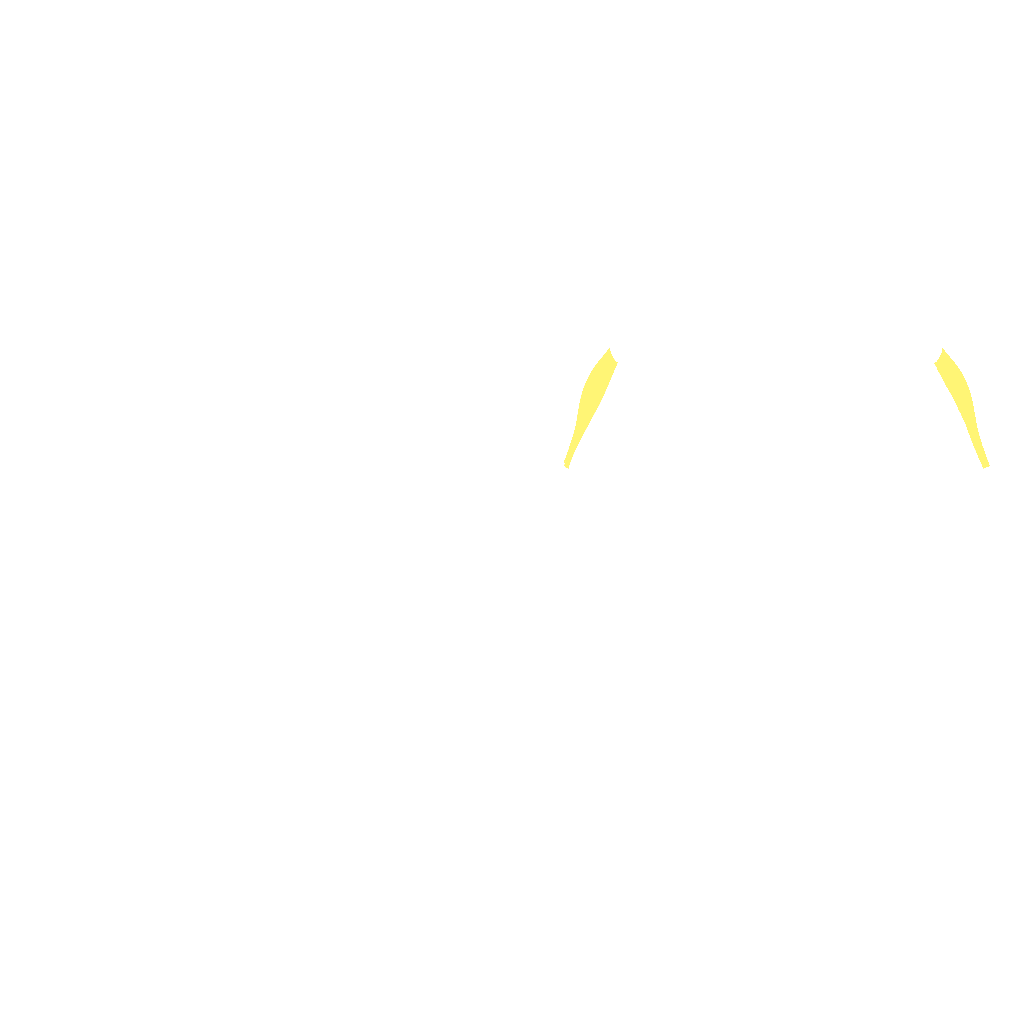


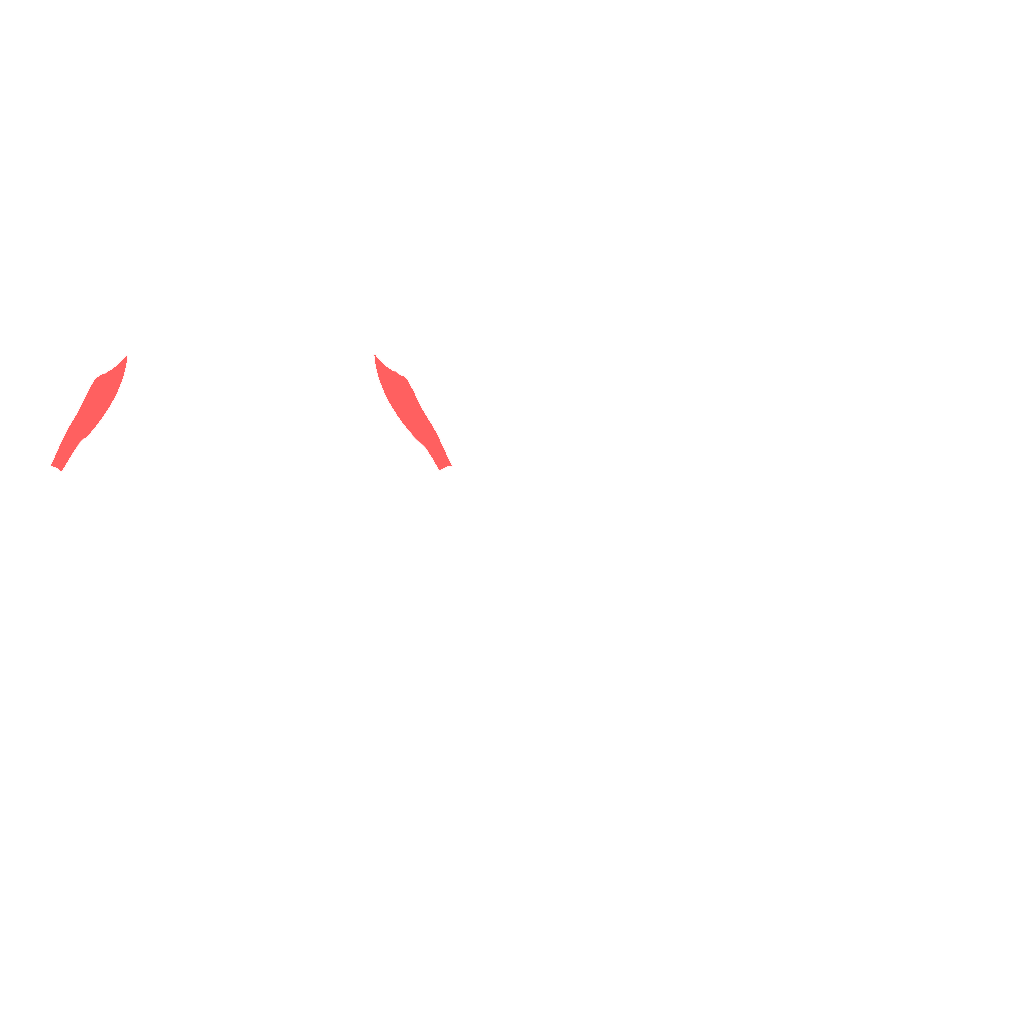
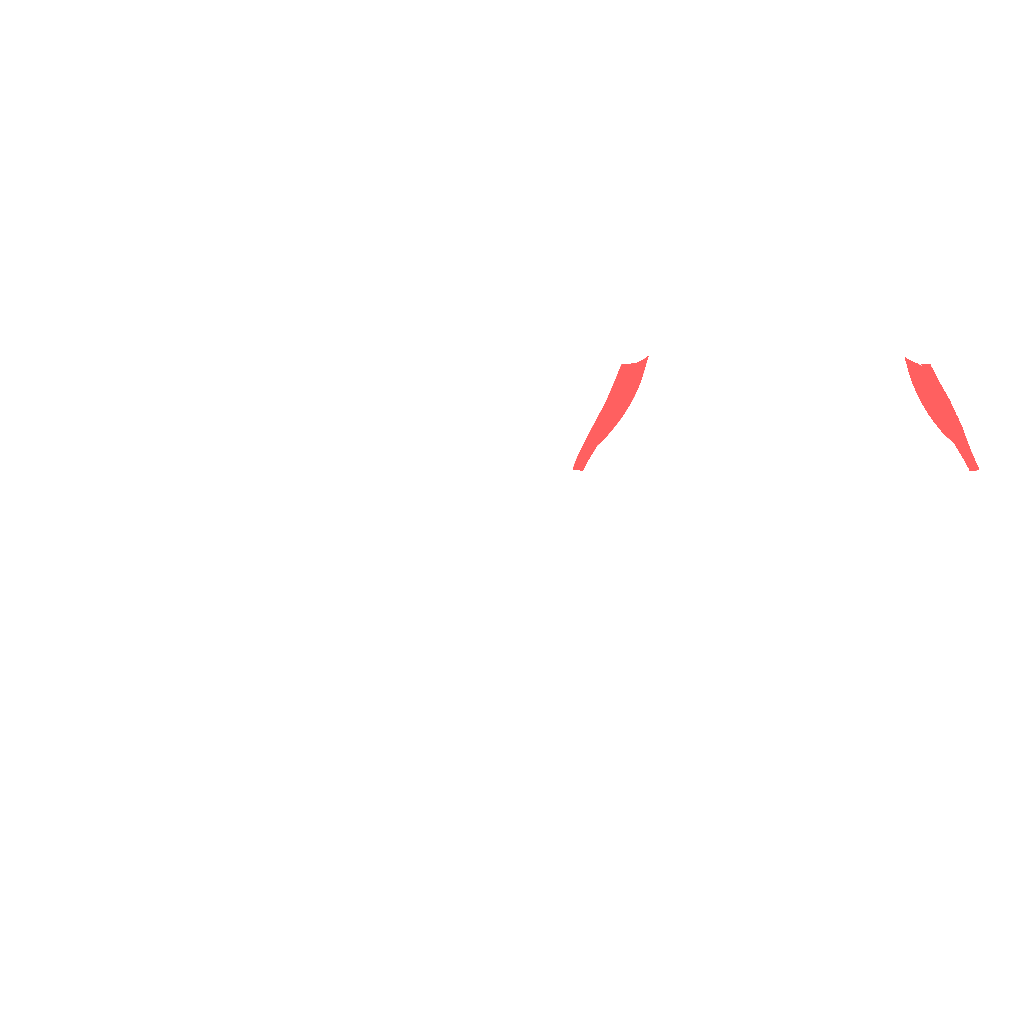
- Target
- Brachioradialis
- Secondary
- Biceps Brachii Long Head, Biceps Brachii Short Head
- Tertiary
- Extensors
How to do it
- 1
Attach a rope to a low pulley and grab an end in each hand with palms facing each other.
- 2
Stand upright and step back to take the slack out of the cable.
- 3
Keep your elbows pinned to your sides throughout the movement.
- 4
Curl the rope up toward your shoulders, keeping the wrists neutral.
- 5
Pull the rope ends slightly apart at the top and squeeze.
- 6
Lower under control until the arms are nearly straight.
- 7
Keep the upper arms still and repeat.
Tips
- Maintain the neutral, thumbs-up grip the whole time to keep tension on the brachioradialis.
- Do not lean back or swing; let the cable, not momentum, move the weight.
- Spread the rope at the top to add a stronger contraction.
Variations
Common mistakes
- Standing right on top of the pulley lets the plates rest on the stack at the bottom, so the first third of each rep is free travel. Step back until the plates are already lifted with your arms straight.
- Letting the stack touch down between reps resets the tension and turns the set into a run of singles. Stop the plates a finger's width short and go straight into the next rep.
- Sliding your hands down to the rope's end stoppers as you tire changes the angle mid-set. Keep your fists at one spot on the rope so every rep is measured the same way.
- Spreading the rope so aggressively that the wrists bend backward trades the neutral grip for a wrist stretch. Open the ends only as far as the thumbs-up position survives.
- Letting the cable haul your hands back down faster than you lifted them wastes the one thing a cable gives you, which is tension in both directions. Take about two seconds to lower.
Frequently asked
- How many sets and reps of the rope hammer curl should a beginner do?
- Three sets of 12 to 15 suits this better than heavy triples, because the smallest jump on a stack is often 5 kg and the arms are small muscles. Set the pin where the last two or three reps slow down but the elbows stay pinned. Add a rep per set each week until you reach 15 everywhere, then move the pin one plate and restart at 12. Two arm sessions a week is a sensible ceiling.
- What can I do instead of the rope hammer curl if my gym has no cable station?
- Standing dumbbell hammer curls are the direct swap and let you go slightly heavier; you lose the tension at the bottom, so pause a beat there. A band hammer curl with the band under both feet reproduces the constant pull and fits in a bag. With a suspension trainer, TRX hammer curls give the same neutral grip using your own weight, adjusted by walking your feet. Any of these can run the same set and rep scheme.
- What is the rope hammer curl good for, and when is it the wrong pick?
- It is arm-size and grip work. The neutral grip loads the brachioradialis, and the cable keeps tension on it at both ends of the curl, which makes it well suited to higher-rep work at the end of a session and easy on wrists that dislike a straight bar. It is the wrong pick when the cable station is the busiest thing in the room and people are queueing for compound work, and a weak choice for maximum curl strength, where a heavy dumbbell gives you more usable load.
Related exercises
Other movements among FitRay's 2,000+ exercises that load the same target muscle — same equipment and level first.
- BeginnerCable Reverse CurlCables · Forearms
- BeginnerHammer CurlDumbbell · Biceps · Forearms
- BeginnerDumbbell Reverse CurlDumbbell · Biceps · Forearms
- BeginnerBand Hammer CurlBand · Biceps · Forearms
- BeginnerBand Reverse CurlBand · Biceps · Forearms
- BeginnerCross-Body Hammer CurlDumbbell · Biceps · Forearms