Kettlebell Snatch-to-Windmill Flow
This flow pairs an explosive snatch with the deep lateral hinge of a windmill, so the shoulder stabilizes overhead while the obliques and hamstrings control the descent. It demands overhead mobility, hip flexibility, and a rock-solid lockout. Reserve it for lifters with a clean snatch and a grooved windmill.
- Equipment
- Kettlebells
- Type
- Balance, Functional
- Browse by muscle
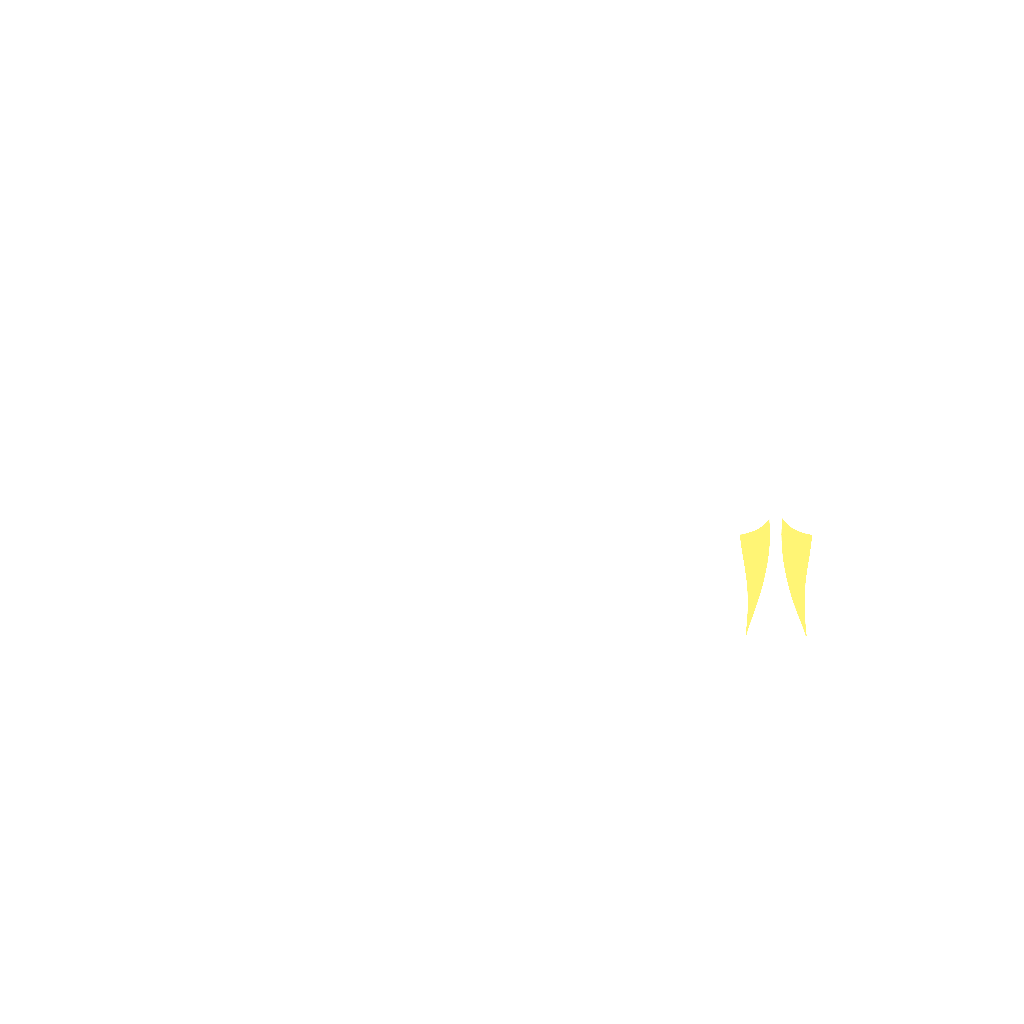
- Deltoid Anterior, Deltoid Middle, Abdominal External Oblique














- Target
- Deltoid Anterior, Deltoid Middle, Abdominal External Oblique
- Secondary
- Gluteus Maximus, Biceps Femoris, Semitendinosus, Erector Spinae
- Tertiary
- Adductor Magnus, Trapezius Upper, Brachioradialis, Triceps Brachii Long Head
How to do it
- 1
Snatch the kettlebell to a locked-out overhead position with a straight wrist.
- 2
Turn your feet out slightly away from the bell and shift your weight toward the trailing hip.
- 3
Keeping the arm vertical and eyes on the bell, push your hips back and hinge sideways.
- 4
Slide your free hand down the inside of your front leg toward the floor.
- 5
Reverse the hinge by driving the hips forward to return to standing with the bell still locked out.
- 6
Complete the reps, lower under control, and switch sides.
Tips
- Keep your eyes on the overhead bell throughout the windmill to protect the shoulder.
- Hinge at the hips, not the waist; the movement is a side bend driven by the hips loading back.
- Lock the elbow fully and keep the wrist neutral so the bell stacks over the joint.
- Use a lighter bell than your standard snatch until the windmill depth is comfortable.
Variations
Common mistakes
- The overhead arm drifts forward of the ear as the hinge deepens, moving the bell off its stacked line over the shoulder joint.
- Bending at the waist instead of loading the hip on the trailing leg turns the windmill into a spinal side-crunch under load.
- A front foot that keeps rotating during the descent twists the knee out of line instead of letting the hips drive the turn.
- The return to standing gets rushed before the front hip finishes extending, leaving the trunk unstacked under the locked-out bell.
- A trailing knee locked out hard at the bottom of the hinge fights the hip load the movement is supposed to build from.
Frequently asked
- What's a sensible starting point for the kettlebell snatch-to-windmill flow?
- You need a clean, locked-out snatch and a comfortable bodyweight windmill hinge before loading this one. Start with 2 to 3 sets of 3 reps per side using a bell noticeably lighter than your working snatch weight, resting enough between sides that the overhead lockout never feels shaky at the start of a rep.
- What if I don't have a kettlebell for the snatch-to-windmill flow?
- There's no good substitute for the overhead-stability demand of a locked-out bell, so build the pieces separately instead: practice a bodyweight windmill hinge with the arm reaching straight up, unloaded, and work kettlebell snatches with whatever bell you can access before combining them.
- Who should train the kettlebell snatch-to-windmill flow, and who shouldn't?
- It's for lifters with solid overhead mobility and hip flexibility who want to pair explosive power with a controlled lateral hinge, developing shoulder stability and hip mobility rather than raw strength. Avoid it with any shoulder impingement history or without a strict overhead lockout, since the sideways load stresses that joint directly.
Related exercises
Other movements among FitRay's 2,000+ exercises that load the same target muscle — same equipment and level first.
- AdvancedKettlebell Armor-Building ComplexKettlebells · Quads · Shoulder
- AdvancedTurkish Get-UpKettlebells · Abs · Shoulder
- AdvancedKettlebell Bent PressKettlebells · Abs · Shoulder
- AdvancedKettlebell Bottoms-Up Clean-to-Press FlowKettlebells · Forearms · Shoulder
- AdvancedKettlebell Clean-to-Overhead-Squat FlowKettlebells · Quads · Shoulder
- AdvancedKettlebell SnatchKettlebells · Glutes · Shoulder