Sumo-Squat Walk
Sinking into a wide sumo squat and walking forward keeps the hips in deep flexion and abduction the whole time, warming the adductors, glutes, and quads under a light load. The continuous low position builds groin range and knee control before heavier squatting or wide-stance lifts. It is beginner-friendly and needs no equipment or space beyond a few strides.
- Equipment
- Body Weight
- Type
- Functional, Stretching
- Browse by muscle
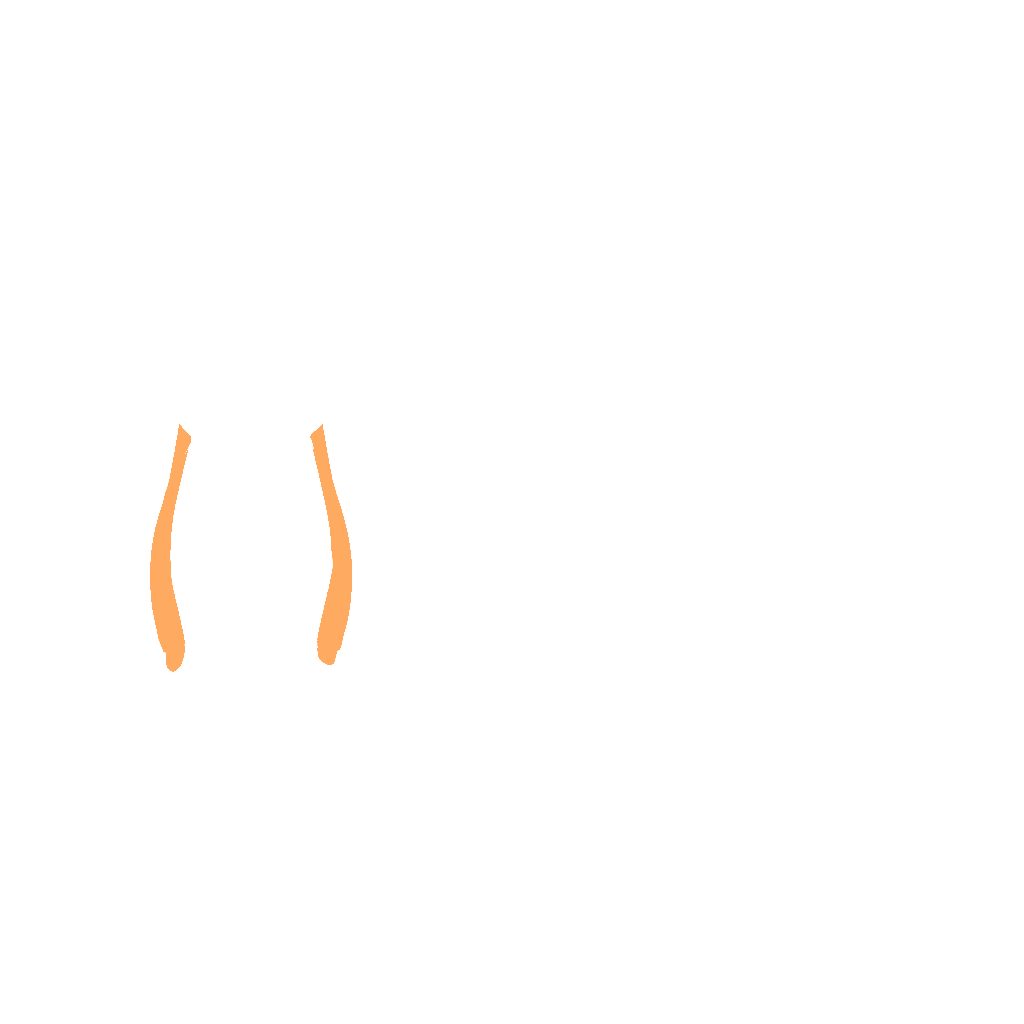
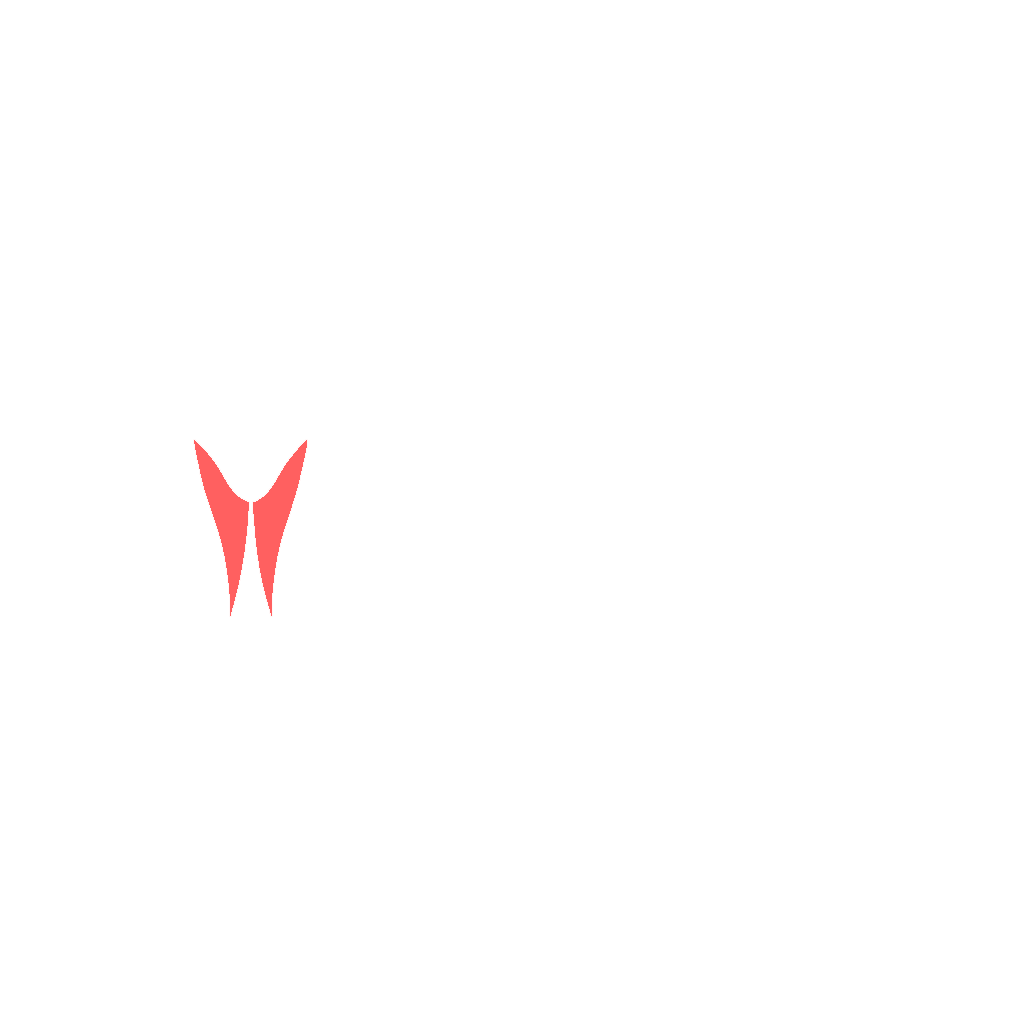
- Adductor Longus, Adductor Magnus, Gluteus Maximus
- Browse by movement
- Squat






- Target
- Adductor Longus, Adductor Magnus, Gluteus Maximus
- Secondary
- Vastus Lateralis, Rectus Femoris
- Tertiary
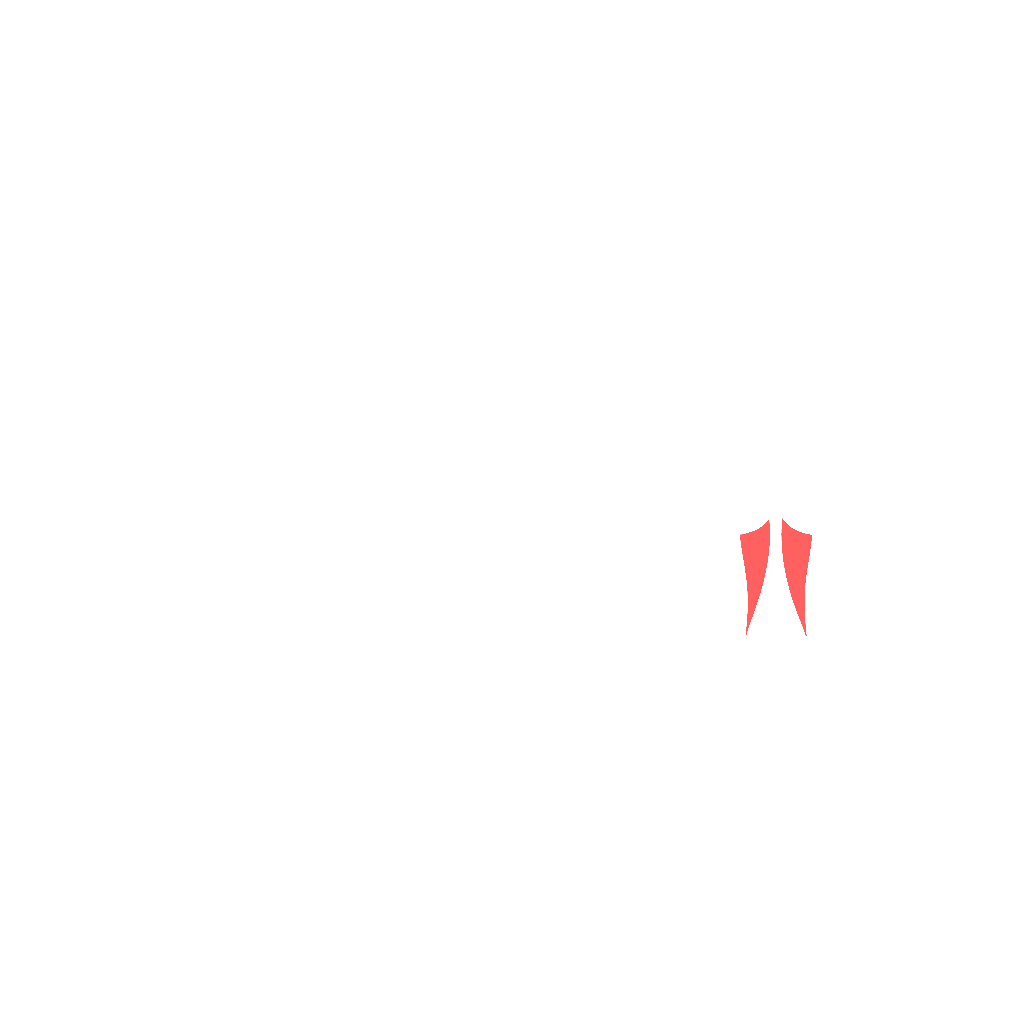
- Gluteus Medius, Erector Spinae
How to do it
- 1
Set your feet wider than shoulder-width with toes turned slightly out.
- 2
Sit the hips down and back into a deep wide squat, chest tall.
- 3
Staying low, step one foot forward, then bring the other foot to match.
- 4
Keep the hips at squat depth as you continue walking forward.
- 5
Travel the planned distance, then stand and reset if needed.
- 6
Breathe steadily and keep the knees pushing out over the toes.
Tips
- Drive the knees out in line with the toes so the arches do not collapse.
- Keep the torso upright and the weight through mid-foot and heels.
- Stay at a consistent height instead of rising up between steps.
Variations
Common mistakes
- The stance narrows step by step because a wide position is harder to walk in, and by the fifth step it is an ordinary squat walk with the inner thighs out of it; glance down and reset the width.
- Steps get taken heel first, the way you walk upright, but at this depth that tips the weight backward and the hips pop up to catch you; set the whole foot down at once.
- If the front of the hip pinches at depth, the stance is wider or lower than the joint can hold today; raise the hips an inch and bring the feet in slightly rather than pushing through it.
- Shoes with a thick, soft heel roll you forward at this depth so the heels lift and the walk rides on the balls of the feet; flat shoes or bare feet keep the whole foot down.
- The drill gets used as a finisher after leg day, when the adductors are already cooked and the position falls apart; it does more early in a session, before squatting.
Frequently asked
- How far should a beginner walk in the sumo squat walk?
- Three sets of ten steps forward and ten back, with a minute standing between sets, keeping the hips at the same height the whole way. Judge each set by stance width and depth rather than by step count: when the feet creep inward or the hips rise, that set is finished. Build by adding a set first and steps second, and keep it as preparation or light accessory work rather than treating it as a conditioning test.
- How do you make the sumo squat walk easier or harder?
- Easier: stay higher than full depth, bring the feet in a few inches, and hold a doorframe or rack for the first pass while the groin gets used to the position. Harder: slow each step to two seconds, add a band above the knees so the knees have to work outward the whole way, hold a kettlebell at the chest, or walk backward for the return trip. Any of these will shorten the distance you can cover, which is the point.
- What is the sumo squat walk good for?
- It warms the adductors, glutes, and quads in deep flexion and abduction under nothing but body weight, builds tolerance for a wide bottom position, and needs no equipment or space beyond a few strides. That makes it a sensible primer before sumo deadlifts, wide squats, or Cossack work. Skip it if deep knee flexion is painful, and pick something else if your low back struggles to hold an upright torso while traveling. For adductor strength, a loaded sumo squat does far more.
Related exercises
Other movements among FitRay's 2,000+ exercises that load the same target muscle — same equipment and level first.
- BeginnerBarre Wall-Sit PulseBody Weight · Glutes · Quads
- BeginnerDemi-Plie Pulse (First Position)Body Weight · Quads · Thighs
- BeginnerGrand Plie Isometric Hold (First Position)Body Weight · Glutes · Quads
- BeginnerGrand Plie Pulse (Second Position)Body Weight · Glutes · Quads
- BeginnerSquat to StandBody Weight · Glutes · Hamstring
- BeginnerStar JumpBody Weight · Quads · Shoulder