Hack Lift
Named for George Hackenschmidt, the hack lift is a deadlift with the bar held behind the legs, which drives the knees forward and loads the quads more than a standard pull. It also demands strong scapular retraction and grip to keep the bar tracking up the back of the legs. A great heritage lift for quad-biased hinge strength when a hack squat machine is not available.
- Equipment
- Barbell
- Type
- Strength
- Browse by muscle
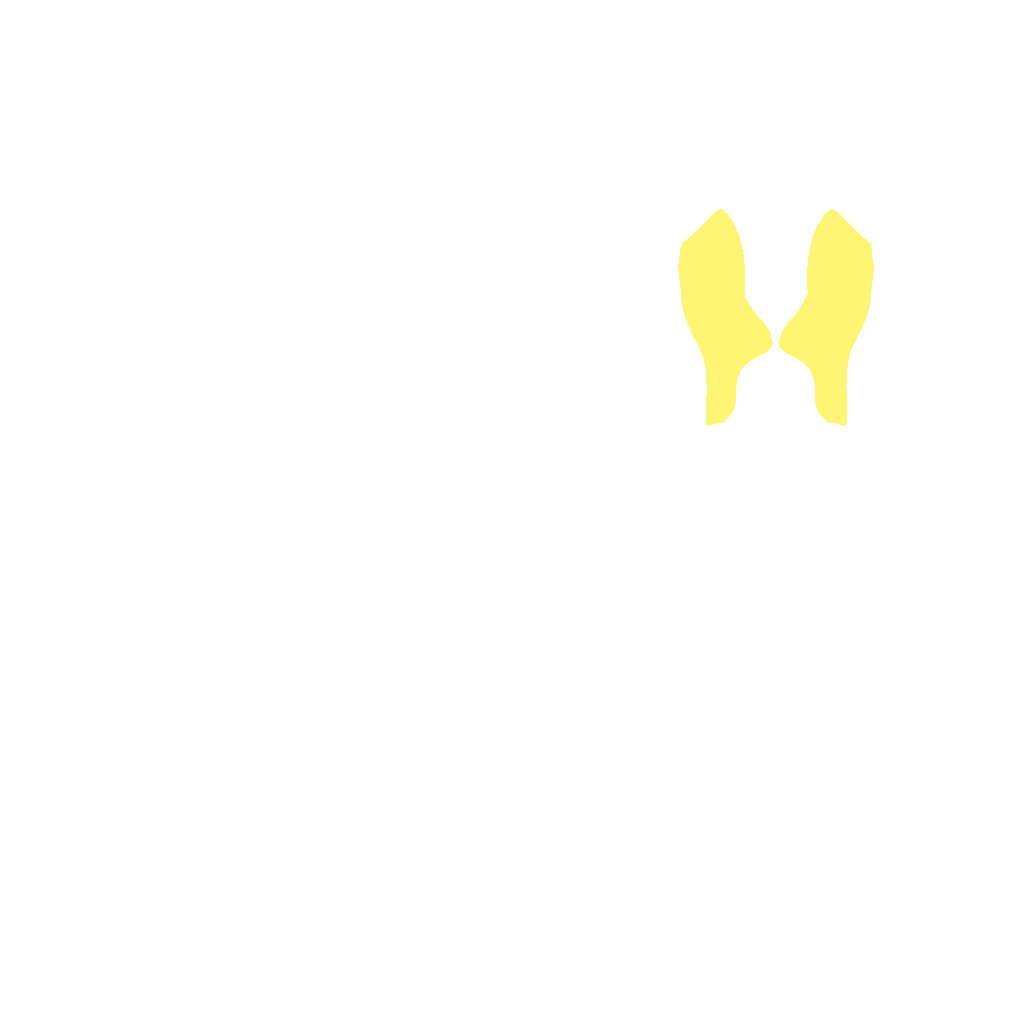
- Vastus Lateralis, Rectus Femoris, Gluteus Maximus
- Browse by movement
- Hinge










- Target
- Vastus Lateralis, Rectus Femoris, Gluteus Maximus
- Secondary
- Biceps Femoris, Semitendinosus, Erector Spinae, Trapezius Upper
- Tertiary
- Latissimus Dorsi
How to do it
- 1
Set the bar on the floor directly behind your heels.
- 2
Squat down and grip the bar behind you with hands just outside your hips.
- 3
Set a tall chest, pull your shoulders back, and brace your abs.
- 4
Drive through your heels and stand, dragging the bar up the back of your legs.
- 5
Lock out tall with the bar resting against your glutes.
- 6
Push your hips back and control the bar down to the floor.
Tips
- Keep the bar in contact with your legs; drifting back tips you off balance.
- Squeeze the shoulder blades to hold the chest up throughout the pull.
- Expect the calves and rack setup to limit range, so start with a modest load.
Variations
Common mistakes
- The hips shoot back at the start out of conventional-deadlift habit, which immediately drags the bar away from the legs where it cannot be controlled.
- Loading it like a conventional deadlift ignores the short range and the weak grip position behind the body, and the bar barely leaves the floor.
- Calf size and the bar sleeves stop the bar sitting cleanly behind the heels, and the start position gets forced anyway instead of pulling from a low block.
- The shoulders round forward under the load, because a bar hanging behind the body pulls the shoulder blades down and forward, and the upper back gives in first.
- The bar is gripped too wide, level with the thighs, so it clips the outside of the legs on the way up and the path becomes a run of small corrections.
Frequently asked
- What is a sensible starting load and rep range for the hack lift?
- A solid conventional deadlift and comfortable shoulder extension are the prerequisites, since the bar stays behind your body throughout. Start near 40 percent of your deadlift for three sets of 6 to 8 and treat the first few sessions as learning the path. Add load only once the bar stays in contact with your legs the whole way up.
- What can I use instead of the hack lift?
- A hack squat machine is the obvious swap and loads the quads with none of the balance problem. Without a machine, a heels-elevated goblet squat or a smith machine squat with the bar behind you covers the same quad-biased pattern. A barbell squat with the heels on small plates is the closest free-weight equivalent.
- What is the hack lift good for, and when is it a poor choice?
- It is a quad-biased pull that also builds grip and upper-back strength, useful for lifters who want a barbell alternative to a hack squat machine. It is a poor choice if you have large calves or limited shoulder extension, because the bar cannot reach a workable start position. It is also awkward to load heavy, so do not expect it to replace squatting.
Related exercises
Other movements among FitRay's 2,000+ exercises that load the same target muscle — same equipment and level first.